Where the Impressionists Painted on the Seine
The adventure continues… This is the second in a two-part series about a day trip to Marly-le-Roi
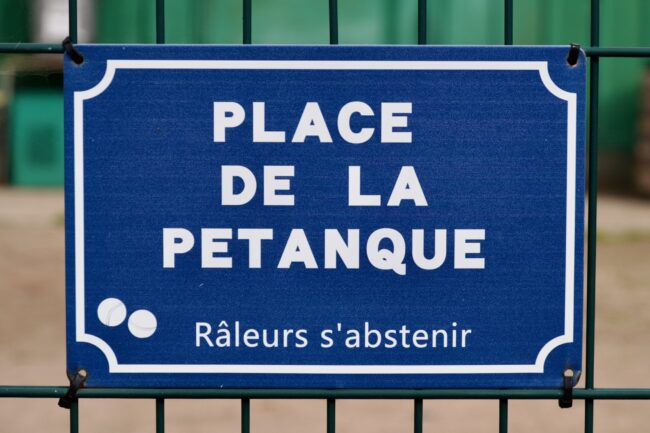
Picking up where we left off, the “bonus” extension to our walk took us to Louveciennes, and it began with a steady climb toward the great aqueduct. The path up the hill is a delightful mix of artful flower gardens and elegant homes, with the final prize at the summit: a terrain de Pétanque. It’s a classic French scene with a uniquely witty caveat: a sign clearly stating that “complainers” are strictly forbidden from participating in the game.
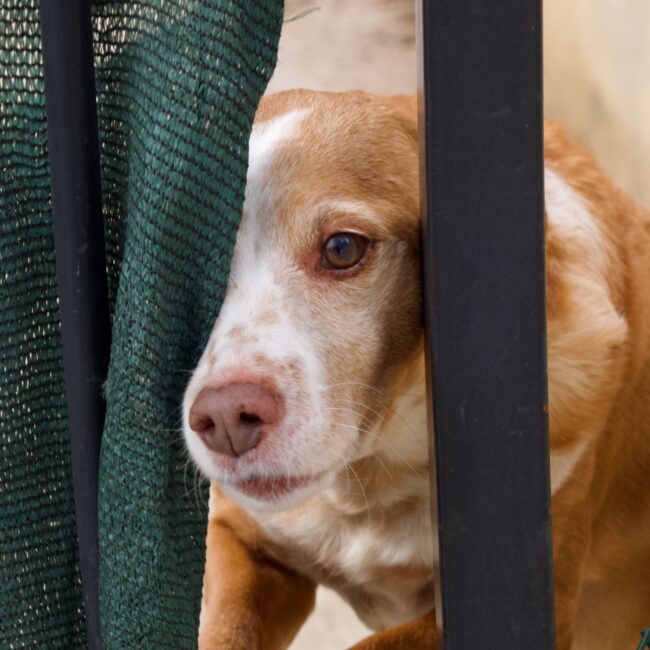
Just after a serendipitous meeting with two locals tending to a nearby vineyard, we were greeted by a furry local — a small dog watching the world who seemed to be saying “Welcome to Louveciennes” in his own special way.
Louveciennes and Impressionist Ripples – 2. Photo: Bill O’Such
The Village and the Pipeline
The town itself is a sun-dappled dream: a central square, a simple market, and artful shop signs that keep the photographer’s eye busy. However, the path towards the water takes a turn for the rugged. A thoughtful dog we encountered gave us a look that seemed to warn of the road ahead — and he wasn’t wrong.
If you take this adventure, wear sturdy shoes. The path along downhill is no easy stroll. These pipes once fed the great aqueduct with water pumped from the Seine by the legendary Machine de Marly to provide for the fountains of Versailles. While the original wooden machinery is gone, the pipeline remains a striking, industrial scar on the hillside, now fed by modern pumps at the bottom.
Louveciennes and Impressionist Ripples – 3. Photo: Bill O’Such
The Coq Hardi Interlude
After the descent, a stop at the restaurant Le Coq Hardi is an absolute must. From the moment the well-dressed waitstaff greets you, you’re transported into a world of old-school French elegance. The walls are lined with photos of famous diners from decades past, but the vibe remains welcoming. Sinking into a velvet banquette or a cozy armchair makes for a lunch so comfortable you won’t want to leave — especially considering the prices are surprisingly reasonable for such a high-end atmosphere.
Louveciennes and Impressionist Ripples – 4. Photo: Bill O’Such
Broken Brushstrokes on the Seine
Rejuvenated by a “hardy” lunch, we finally reached the banks of the Seine. This was the stomping ground of Renoir, Monet, and Pissarro, and it only takes a moment to see why. The interplay of light and water here is hypnotic.
As a photographer, it was nearly impossible to stop clicking. The Seine acts as its own artist, creating broken brushstrokes that shift and dance with every ripple and breeze. Choosing just a few images to represent the river’s beauty is a triage nightmare!
We eventually made our way to the bus stop for the ride back to the train station, where a charming mosaic of tiles from a local school waved us a final, colorful goodbye. A long day, certainly — but one that perfectly captured the spirit of the 19th-century masters.
Louveciennes and Impressionist Ripples – 5. Photo: Bill O’Such
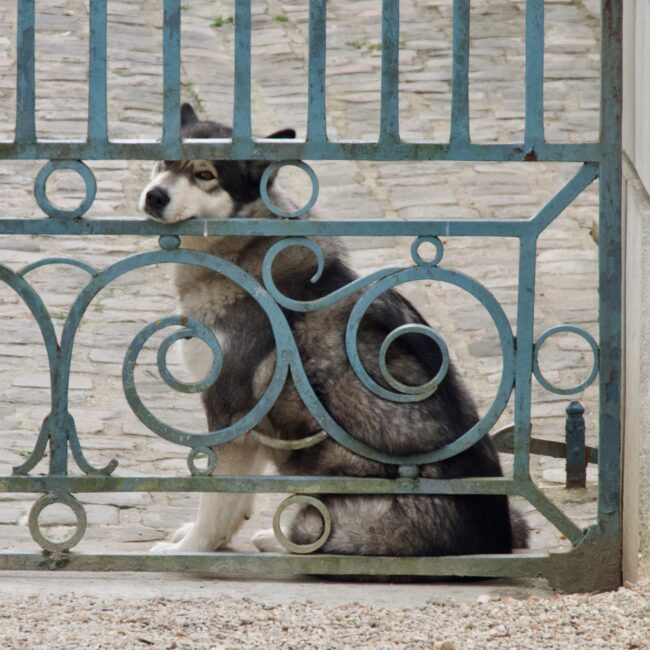
Louveciennes and Impressionist Ripples – 6. Photo: Bill O’Such
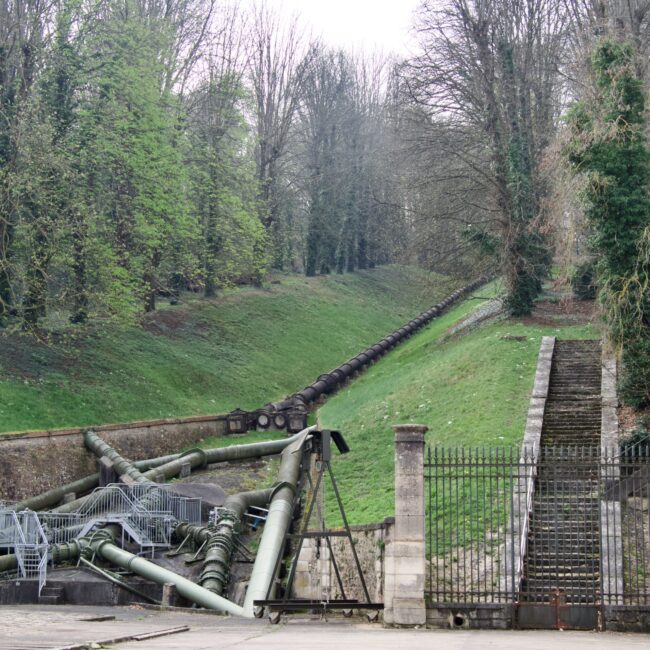
Louveciennes and Impressionist Ripples – 7. Photo: Bill O’Such
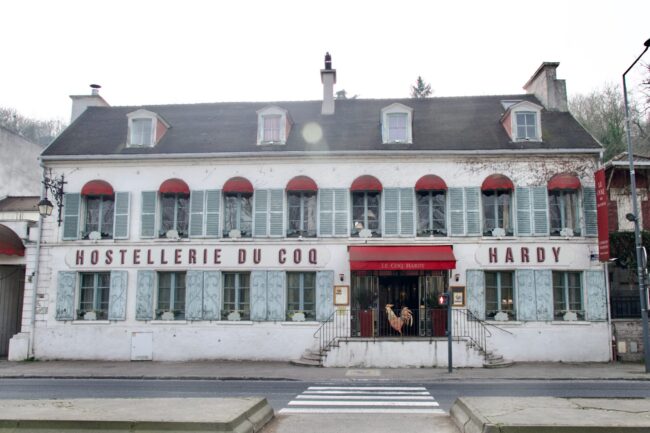
Louveciennes and Impressionist Ripples – 8. Photo: Bill O’Such
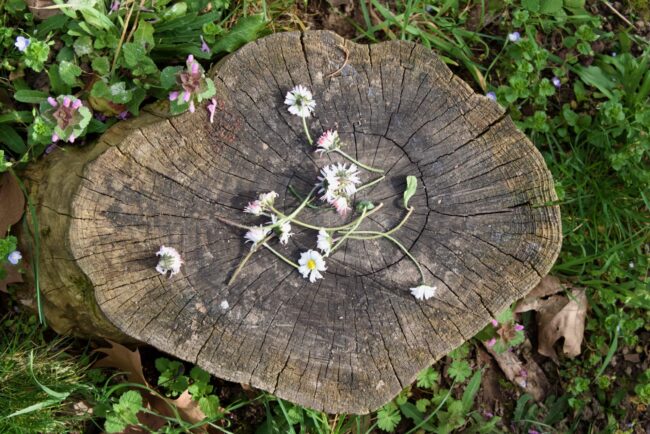
Louveciennes and Impressionist Ripples – 9. Photo: Bill O’Such
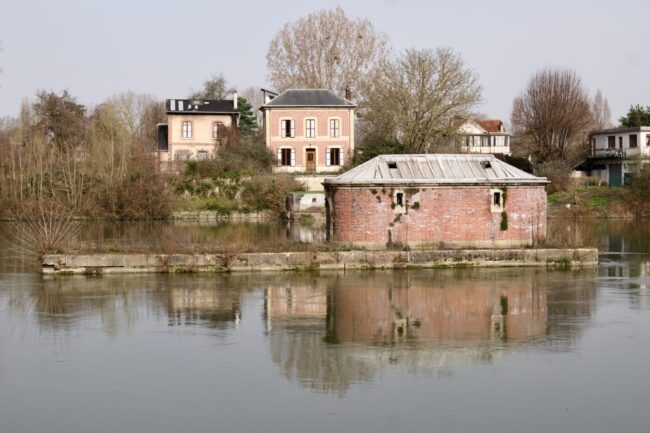
Louveciennes and Impressionist Ripples – 10. Photo: Bill O’Such
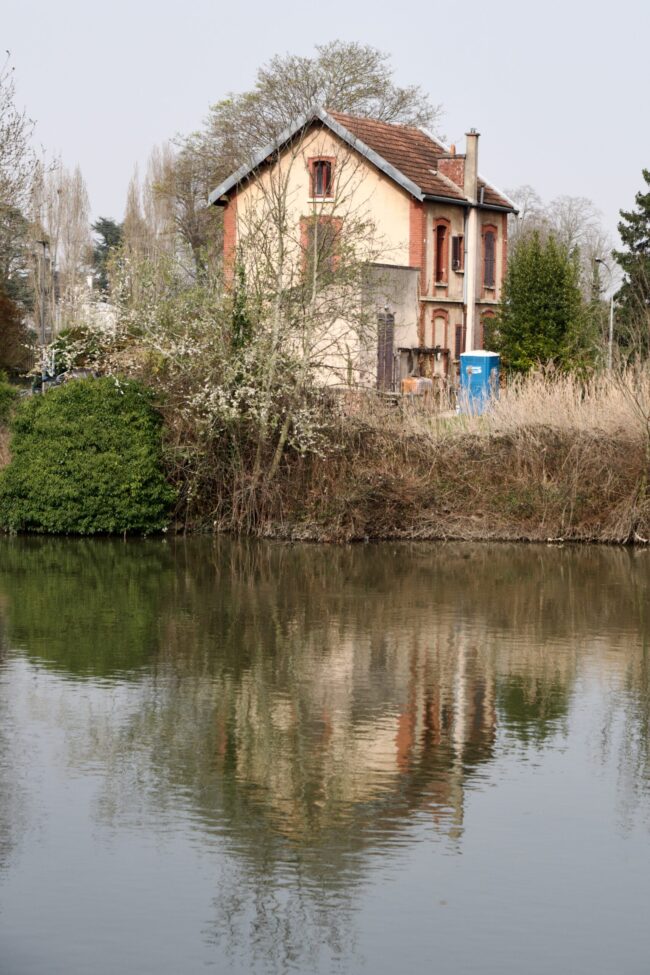
Louveciennes and Impressionist Ripples – 11. Photo: Bill O’Such
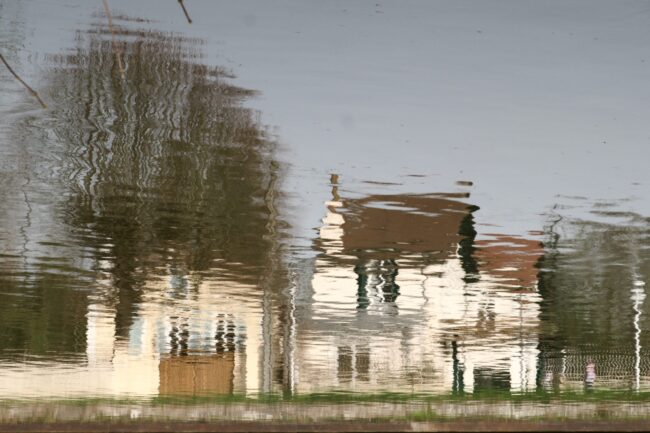
Louveciennes and Impressionist Ripples – 12. Photo: Bill O’Such
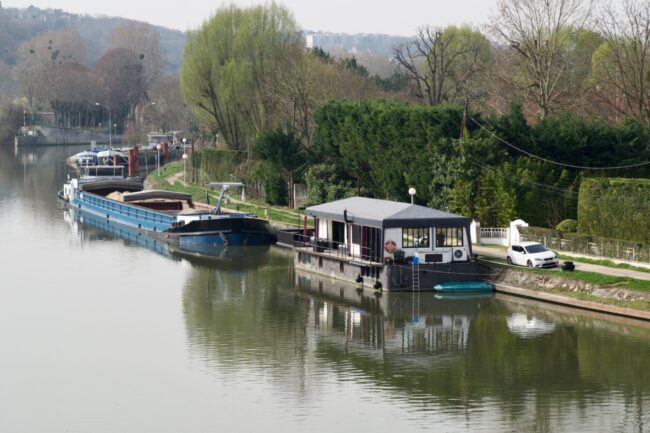
Louveciennes and Impressionist Ripples – 13. Photo: Bill O’Such
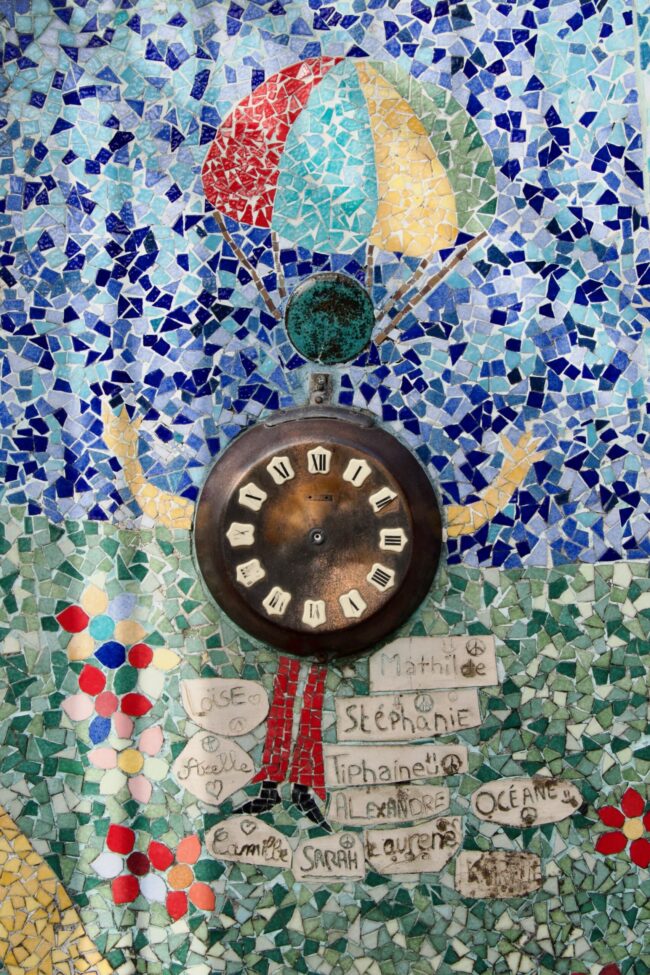
Louveciennes and Impressionist Ripples – 14. Photo: Bill O’Such
Lead photo credit : Louveciennes and Impressionist Ripples - 1. Photo: Bill O'Such
More in Impressionism, Louveciennes, Machine de Marly, Seine
Related Articles