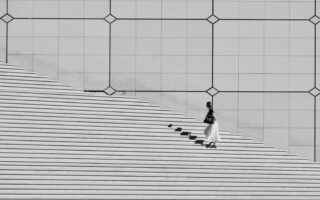
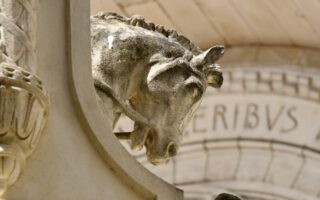
Glass & Greenery, Stone & Steel: Exploring Auteuil
The Paris Vignettes series features the inspired work of street photographer William “Bill” O’Such in themed installments
One of the greatest delights of spending extended time in Paris is tapping into the Paris Greeters network — passionate, local volunteers who love sharing the hidden corners of their neighborhoods. Having explored parts of the 16th arrondissement on previous trips, I thought I had a decent handle on Auteuil.
Meeting our guide, Philippe, at Porte d’Auteuil quickly proved how much I still had to discover. What began as a neighborhood stroll near the imposing Stade Roland Garros evolved into a captivating study of botanical grandeur, sculptor studios, and 20th-century modernist architecture.
Jardin Botanique and Auteil – 2. Photo: Bill O’Such
The Glass Sanctuary: Jardin des Serres d’Auteuil
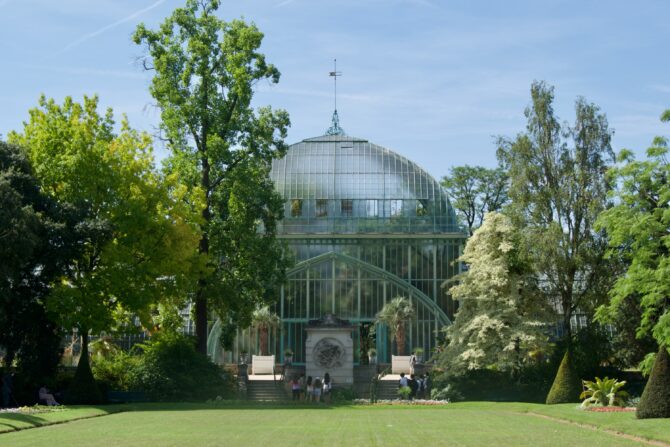
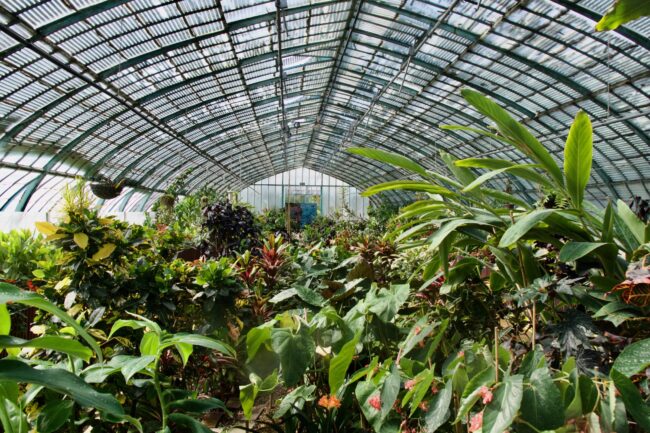
When most visitors think of botanical gardens in Paris, their minds go straight to the Jardin des Plantes. But just across the Boulevard Périphérique lies a magnificent hidden oasis: the Jardin des Serres d’Auteuil. Built in the late 19th century under Jean-Camille Formigé, these historic greenhouses offered welcome shade and cool relief on a sultry summer morning.
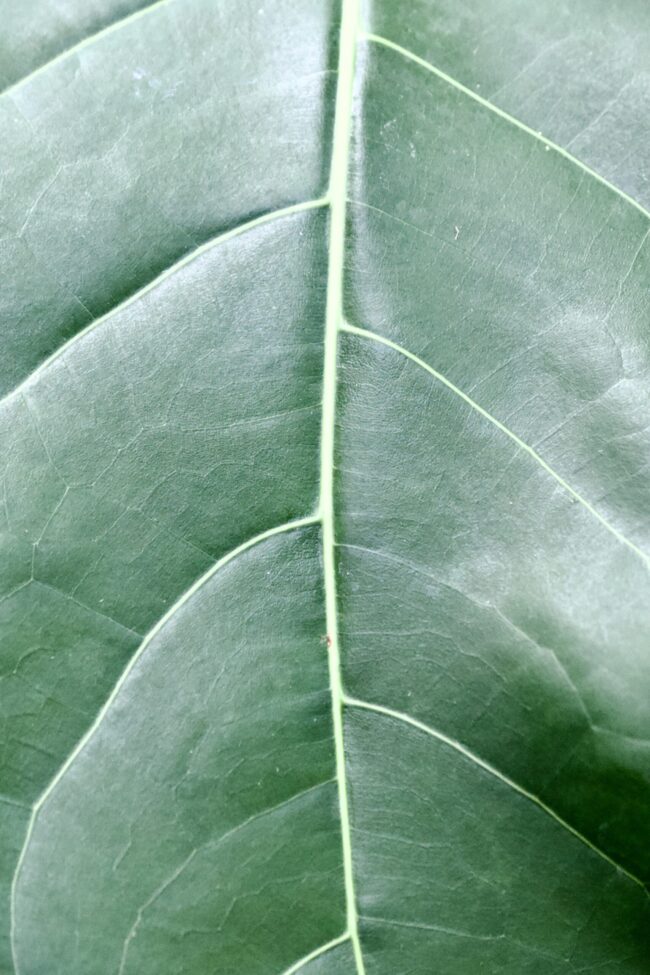
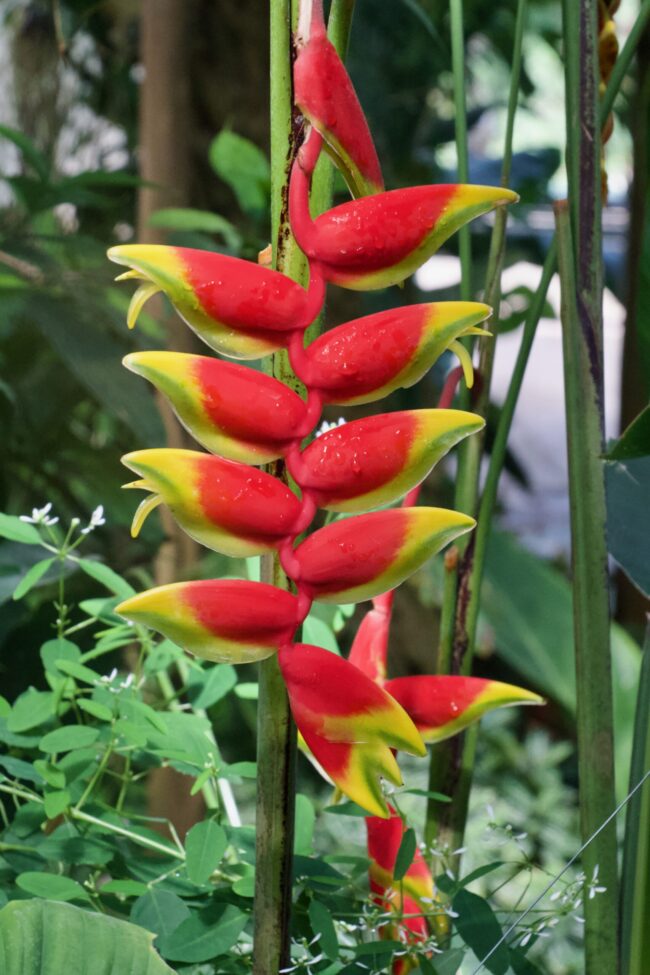
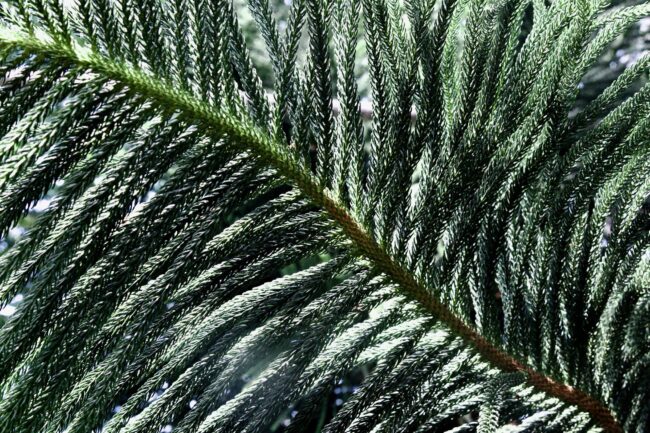
As a photographer fascinated by geometry and natural light, the complex was a goldmine of macro textures and architectural lines: The towering central palm house, whose sweeping turquoise ironwork stands as a monument to Belle Époque engineering. Complementing this architecture one discovers the delicate, glowing geometric network of leaf veins carved by sunlight and cascading, fiery-red and yellow Heliconia blooms bursting through dense, tropical, green foliage. The soaring vaulted ribbed ceiling inside the main greenhouse nicely framed a sea of exotic plants.
Jardin Botanique and Auteil – 3. Photo: Bill O’Such
Poets, Sculptors, and Hidden Streams
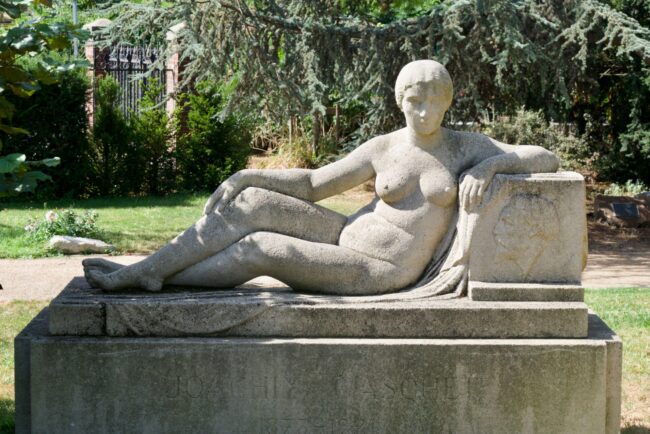
Recrossing the Périphérique, Philippe led us into the serene Square des Poètes, a quiet park peppered with monuments honoring France’s literary masters. Wandering through the shaded glades offered a treasure trove of sculptural details juxtaposed with nature: Auguste Guénot’s reclining stone monument dedicated to poet Joachim Gasquet. A classical marble figure leaning sorrowfully against a tree stump, rising gracefully from a bed of summer flowers.
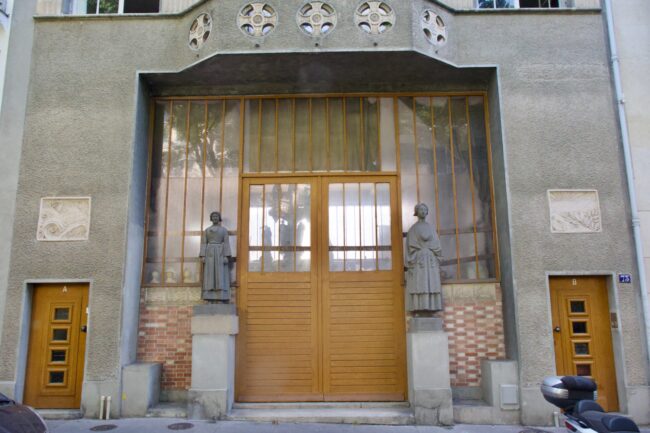
Leaving the park, we strolled down Boulevard de Montmorency, which runs parallel to the overgrown sunken tracks of the old Petite Ceinture railway line. Here, Philippe pointed out the workshop of Breton sculptor René Quillivic — famously known as the “House of Statues” — its grand wooden entrance guarded by two stoic stone peasant figures carved directly into the building’s façade.
Neighborhood notes: Auteuil’s quiet avenues are a favorite sanctuary for French cinema icons and artists. Also, beneath your feet runs the subterranean ghost of the River Yvette, flowing silently towards the Seine much like the legendary Bièvre.
Jardin Botanique and Auteil – 4. Photo: Bill O’Such
An Architectural Pilgrimage: Le Corbusier & Mallet-Stevens
Much of Auteuil is an open-air museum for 1920s modernist architecture. We took a slight detour to see the Fondation Le Corbusier on Square du Docteur-Blanche. Though closed Monday, its stark, functional exterior gave away its purpose of welcoming and open living spaces — and peeking through a window revealed an original Le Corbusier chair resting in the upstairs hallway.
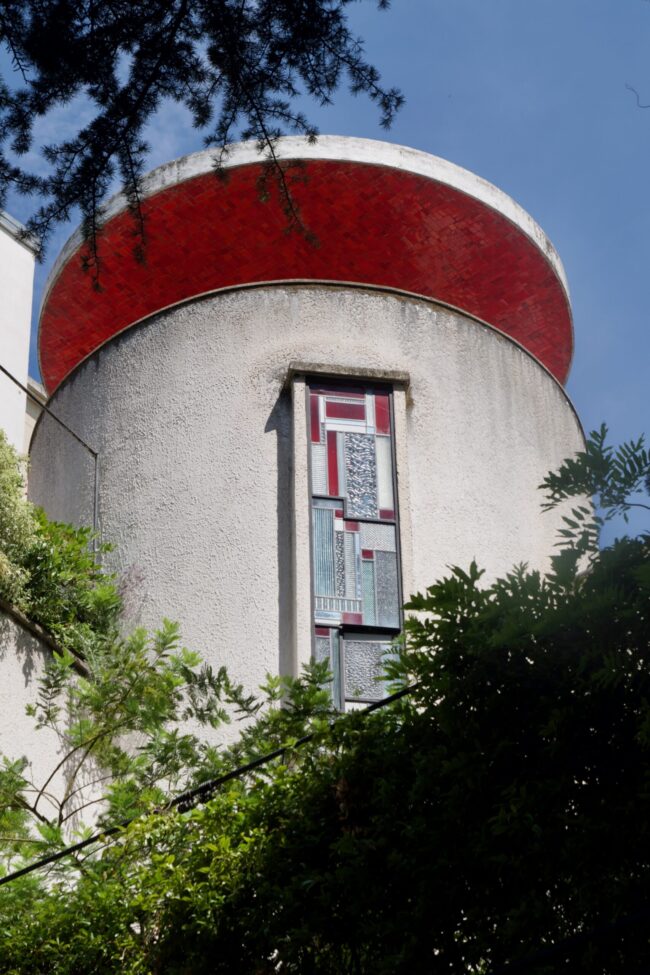
A few streets over, we reached Rue Mallet-Stevens, a cul-de-sac entirely designed by architect Robert Mallet-Stevens in 1927. The street is a masterclass in Art Deco and Cubist architecture: Bold, angular towers crowned with striking red-tiled overhangs and vertical stained-glass window ribbons that play brilliantly with exterior light.
Jardin Botanique and Auteil – 5. Photo: Bill O’Such
Sacred Geometry and a Railyard Feast
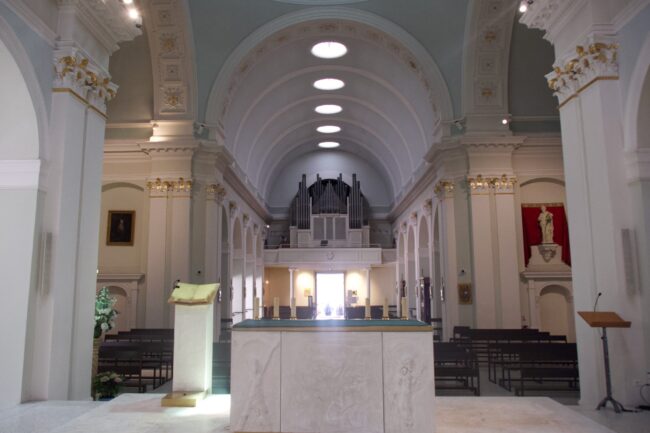
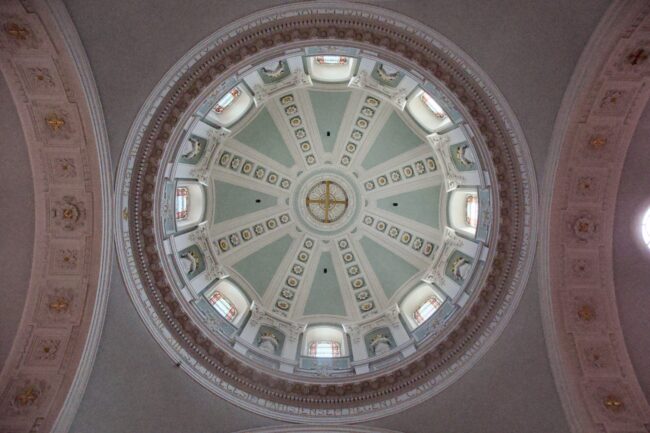
Our walk continued toward the grand Église Notre-Dame-d’Auteuil, which bridges traditional sacred design with clean, modern sensibilities: the brightly lit nave leading the eye directly toward the altar and organ balcony. Looking straight up into the central dome reveals an extraordinary display of octagonal geometry, pastel tones, and coffered detailing.
We concluded our tour near the Jardin du Ranelagh, ducking out of the midday heat for a well-deserved lunch at a restaurant set inside a former train station. Inside, the grand arched backbar, patterned wall coverings, and warm glowing lanterns provided a moody, atmospheric backdrop as staff shared a laugh between shifts.
While the summer heat cut our walk slightly short, exploring Auteuil through Philippe’s eyes revealed a Paris far richer, quieter, and more architecturally complex than any standard tourist map could capture.
Jardin Botanique and Auteil – 6. Photo: Bill O’Such
Jardin Botanique and Auteil – 7. Photo: Bill O’Such
Jardin Botanique and Auteil – 8. Photo: Bill O’Such
Jardin Botanique and Auteil – 9. Photo: Bill O’Such
Jardin Botanique and Auteil – 10. Photo: Bill O’Such
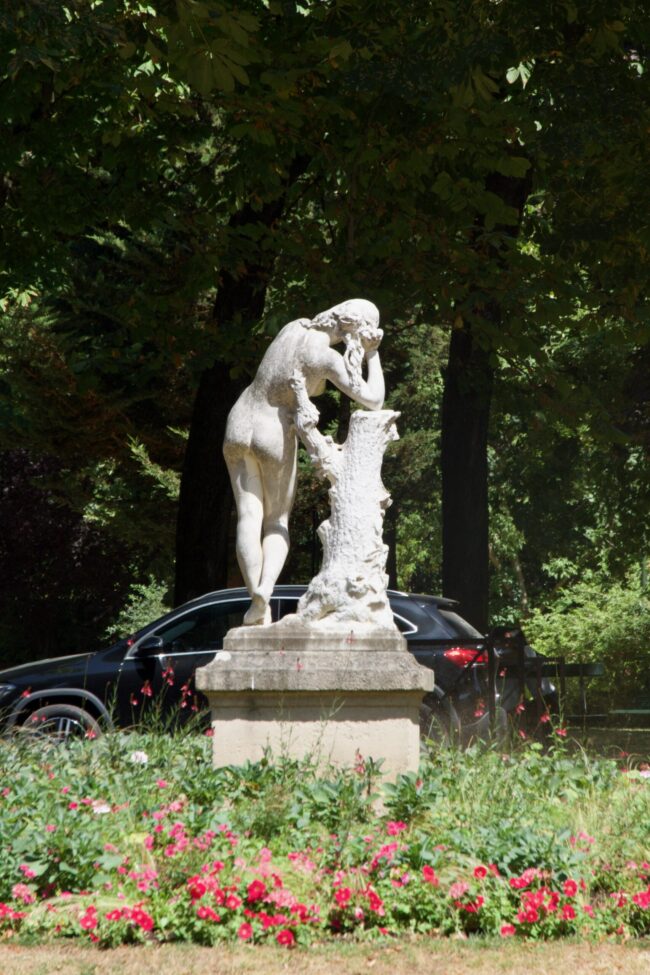
Jardin Botanique and Auteil – 11. Photo: Bill O’Such
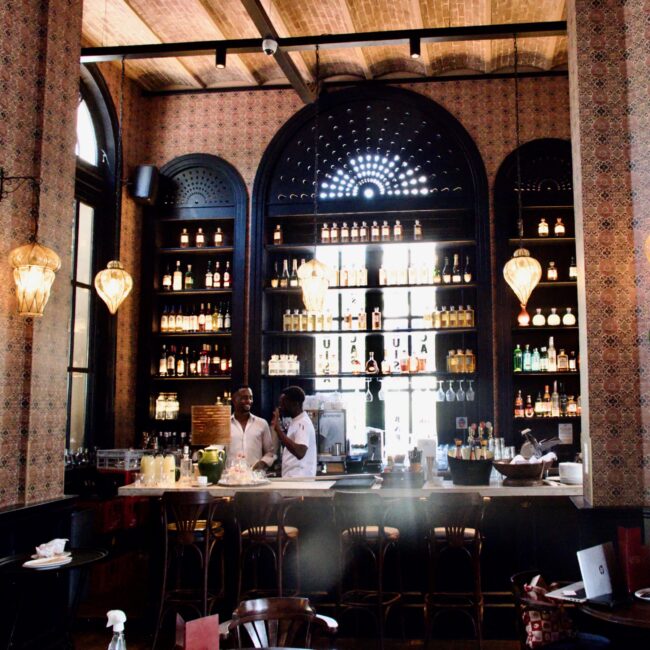
Jardin Botanique and Auteil – 12. Photo: Bill O’Such
Lead photo credit : Jardin Botanique and Auteil - 1. Photo: Bill O'Such
More in 16th arrondissement, Auteuil, Paris Vignettes
Related Articles