The Essential Guide to the 17th Arrondissement
- SUBSCRIBE
- ALREADY SUBSCRIBED?
BECOME A BONJOUR PARIS MEMBER
Gain full access to our collection of over 5,000 articles and bring the City of Light into your life. Just 80 USD per year.
Find out why you should become a member here.
Sign in
Fill in your credentials below.
The 17th arrondissement is the real deal. You won’t find world-renowned galleries here, but you will find a family-oriented quarter with unpretentious shopping streets and amazing fresh markets where Parisians calmly go about their daily routines. Off the tourist track, the arrondissement spans the northwest border of Paris, so lace up your walking shoes.
West to east, it’s made up of four neighborhoods; Ternes, Plaine de Monceau, Batignolles and Epinettes. Ternes, north of the Arc du Triomphe, touches corners with the Bois de Boulogne. Together with Monceau they create an area more posh in feel when compared to the central Batignolles, which has a residential, family vibe. The village-like Batignolles offers a touch of carefree charm, with independent cafes, shops, and bars.
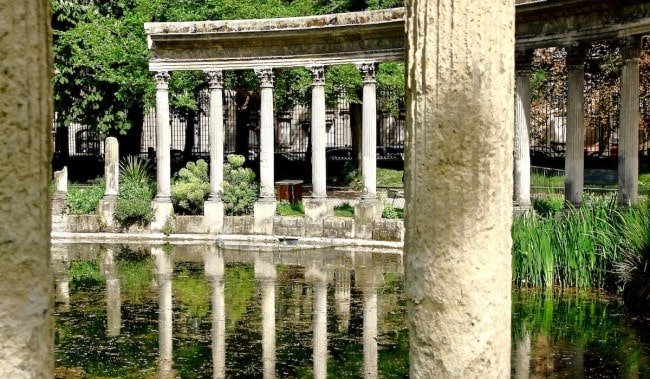
The Naumachia, Parc Monceau © Sarah Fauvel. The Naumachie was built with the columns of the ancient Rotunda of Valois, ordered by Catherine de Medici to house Henry II’s tomb, planned to be placed next the Basilica of Saint Denis. It was dismantled in 1719. These columns are the vestige of the funerary monument.
In the north east, abutting Montmartre, Épinettes, once a district of factories and mills, left a legacy of industrial-style structures presently going through a clever urban refurbishment. It makes Paris look hip and green friendly.
Painters Claude Manet and Frédéric Bazille found the area affordable and lived here when it was still a village-like suburb, as did a plethora of writers like Emile Zola, Edmond Rostand, and Maurice Pagnol. Claude Debussy and Maurice Ravel practiced here, as did the most expensive courtesans in town.
Today the district is a mix low-key affluence and small-town charm, with markets, quiet squares, and handsome, domed Haussmannian mansions. Its local spirit makes the 17th arrondissement ideal for a peaceful escape from central Paris.
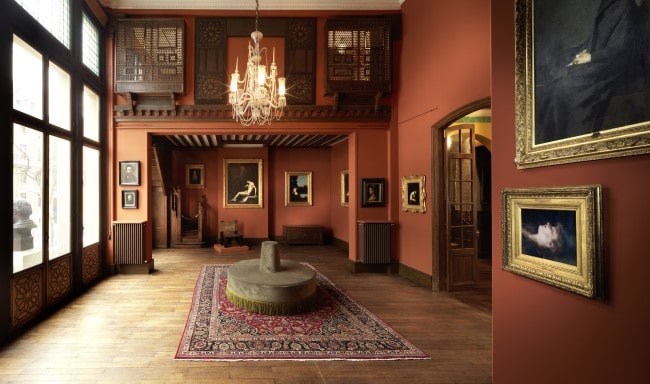
Henner Museum Salon. Photo: © Hartl Meyer
What to see
Like many foundations in Paris, the Musée Jean-Jacques Henner is a part of the community, hosting musical events in its galleries along with yoga lessons, workshops, and storytelling tours. The neo-Renaissance mansion was bought in 1921 by the niece of Jean Jacques Henner to showcase her uncle’s work. Henner himself owes much of his fame to Saint Fabiola, an often-reproduced painting. His art is quite unclassifiable. Is he a symbolist? The soft sfumato focus of his portraits and tasteful nudes could almost be called Pre-Raphaelite. Je ne sais pas. In this gorgeous setting, 300 of Henner’s works offer a very interesting look into an artist whom many of us might not already be familiar. 43 avenue de Villiers
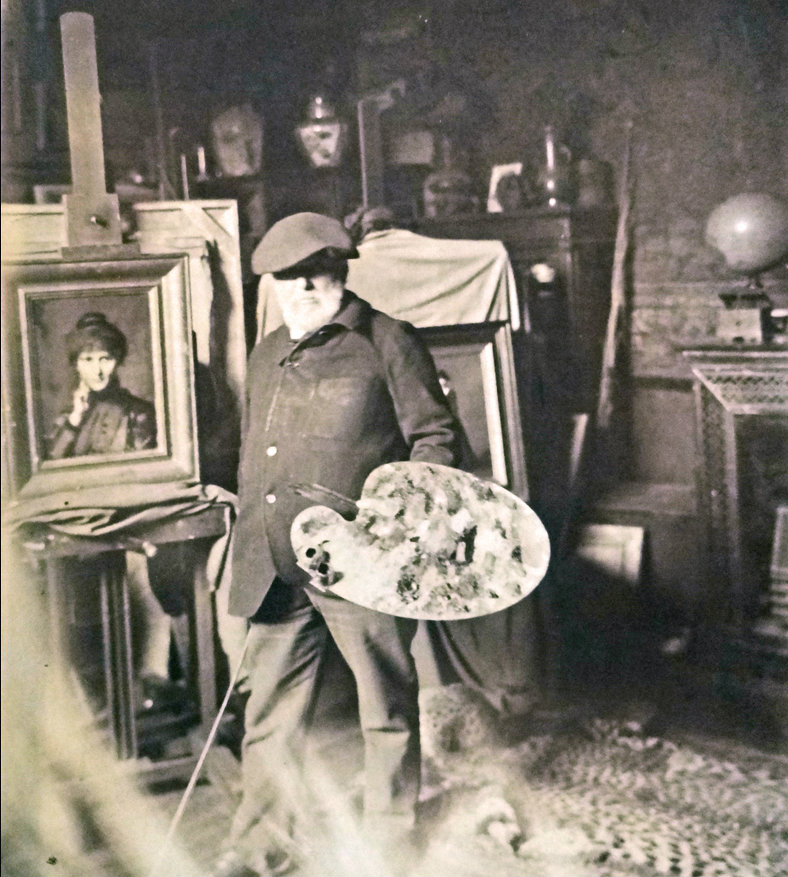
The painter Jean-Jacques Henner in his atelier on Place Pigalle/ photographer unknown/ courtesy of the musée
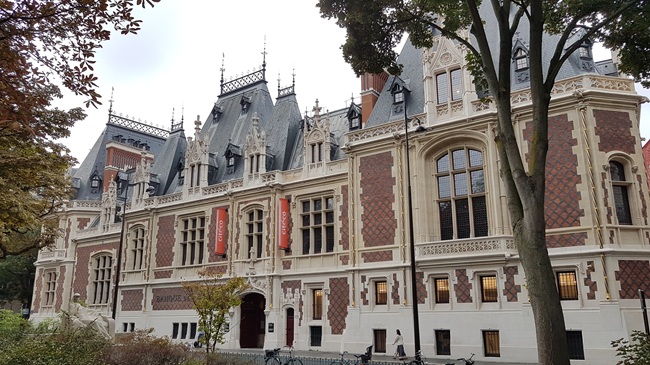
This one-of a-kind economics museum is housed in a landmark of Parisian architectural heritage, the Hôtel Gaillard. It’s a veritable 19th-century urban castle built by a banker inspired by the chateaux of the Loire Valley. Now, in this truly extraordinary site, Citéco invites visitors to explore the mechanisms of economics through an interactive and immersive experience. It even catches the attention of children and students — the clever curators really know what appeals to them. Entertainment, including characters Asterix and Charlie Chaplin, sweeten lessons about the economy. 1 Place du Général Catroux
The ancient Chateau des Ternes is a landmark in the heart of the 17th arrondissement. Once a castle on the outskirts of Paris in the 1600s, what remains today is a single incongruous front gate, a relic standing alone on rue Pierre Demours and a pretty building that has a small road, rue Bayen, built through it. Chateau des Ternes can be admired from 17-19 rue Pierre Demours.
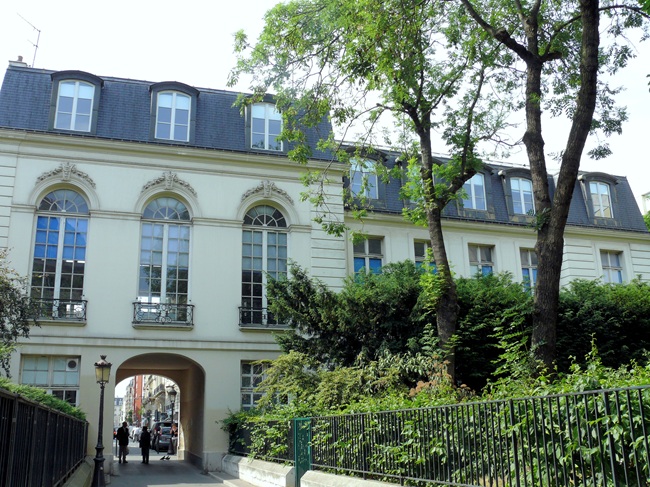
Château des Ternes. Photo: MOSSOT / Wikimedia Commons
Markets
On Saturdays, locals head to the very chill, organic food market centering on 34 Boulevard de Batignolles, where there are 50+ stalls selling sustainable produce straight from the farm or artisan. Seasonal fruits and vegetables, plus redolent flowers, oils, soaps, and cheese invigorate the senses.
Not to be confused is the Marché Couvert Batignolles. A kilometer away at 31 rue des Moines, a slightly faded 1970s façade hides gastronomic delights such as Lebanese kefta and kibbe, hand pies, crustaceans, fish and eels. Sweet things include gelato, Turkish delight, and zinc buckets of flowers, all spectacularly arranged out of the weather.
Another good and honest market is Marché des Ternes. Once again hidden behind a less than romantic façade, it’s a good place to purchase meat and veggies for an at-home meal or a picnic in the nearby Parc Monceau.
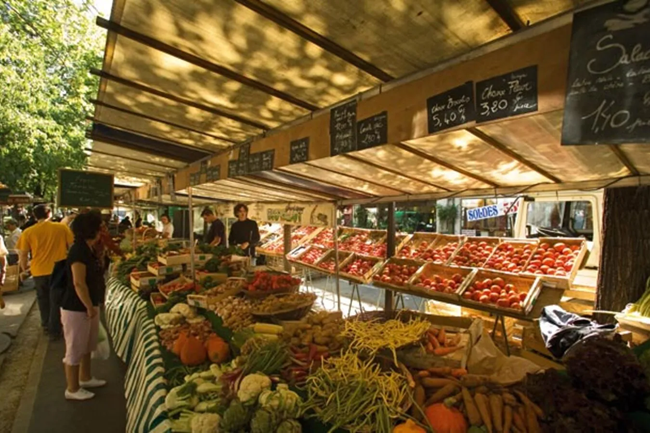
Batignolles organic market. Photo: OTCP / Marc Bertrand
The French icon Maurice Chevalier once sang at this 19th-century theater before it was transformed into a cinema in the 1930s. Today, the Cinema des Cinéastes is an important cultural cinematography center whose goal is to promote European and art house films. Along with their diverse screenings, they host film festivals, retrospectives, even round–table discussions and debates. And oh my, what a pretty bistro they have! 7 Avenue Clichy
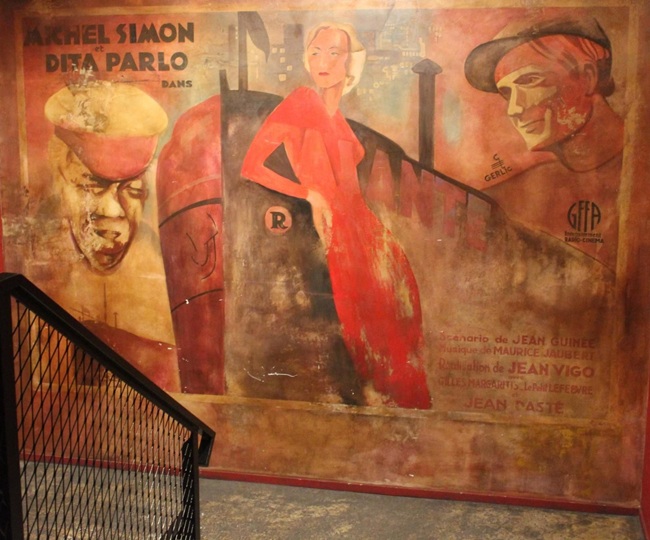
courtesy of Cinema des Cinéastes
Walks and Parks
The Cité des Fleurs is a village within the city, with very picturesque hotels particuliers and small houses. (Houses in Paris!) Once an example of social diversity where workers, engineers, and artists lived side by side, it was developed in 1847 by two landowners with specific guidelines in mind. They created a gorgeous cobbled street planted with all manner of lush plants and shrubbery. Now its denizens are the extremely wealthy, who will allow pedestrians, but not dogs, on their private street from 7 am to 7 pm and on Sundays just to 1:30 pm.
Once a railway line, the Petite Ceinture is a narrow “belt” circling Paris that has been spontaneously reclaimed by many species of plants and birds. Alas, its greenery is punctuated with ubiquitous graffiti. This very short (1.2km) stretch of it is open daily from 8 am to 5:45 pm. Access is via two staircases – 2 boulevard Pereire and on the corner of rue de Tocqueville and Boulevard Pereire.
At the surface, the Petite Ceinture joins the streetscape at Place du Marechal Juin and becomes the well-manicured Promenade Pereire. It’s understandably long and thin as the boulevard follows the path of the rail line on the 17th arrondissement’s north edge. Some segments are planted with beds of rose and perennials and festooned with overhead flora and flowering trees. Other sections contain children’s playgrounds or places for ping-pong, football, or basketball.
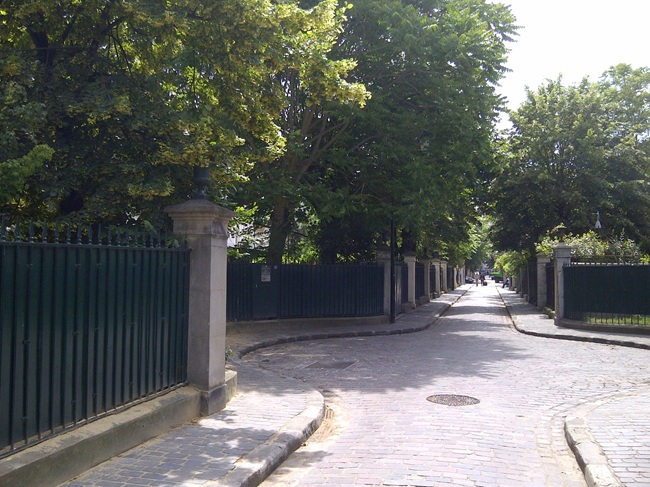
Cité des Fleurs. Photo: contrepoints.org/ Wikimedia Commons
The Square du Batignolles is the English-style garden that Napoleon III was jonesing for after exile across the Channel. This approach is most visible in small bridges, follies, and concrete designed to look like stratified wood or rocks. While aiming to look untouched by human hands, its randomness and asymmetry is planned to the Nth degree. A remarkable variety of old, established trees shade the winding paths. There is a whimsical carousel for children, and an area for roller skating and ping pong. Older competitors can play boules here.
The Parc Clichy-Batignolles Martin Luther King is tangible evidence that Paris is committed to reducing its carbon footprint. This award–winning mixed-use area of homes, schools, and businesses — gradually expanding over 54 hectares of a former rail yard — exhibits a number of green initiatives. While “Clichy-Batignolles” refers to the entire new eco-neighborhood, the “Parc Martin-Luther-King” is the major green space within it. It’s ideal for a stroll, or a picnic. Food can be obtained at Hoba, a socially conscious food court. From the modern observation deck, one can encounter flocks of ducks, geese, and the occasional heron at the pond designed to shelter numerous species of local wildlife. The provocative, modern architecture, ringing the eco-park is an interesting juxtaposition. Each boasts a green roof.
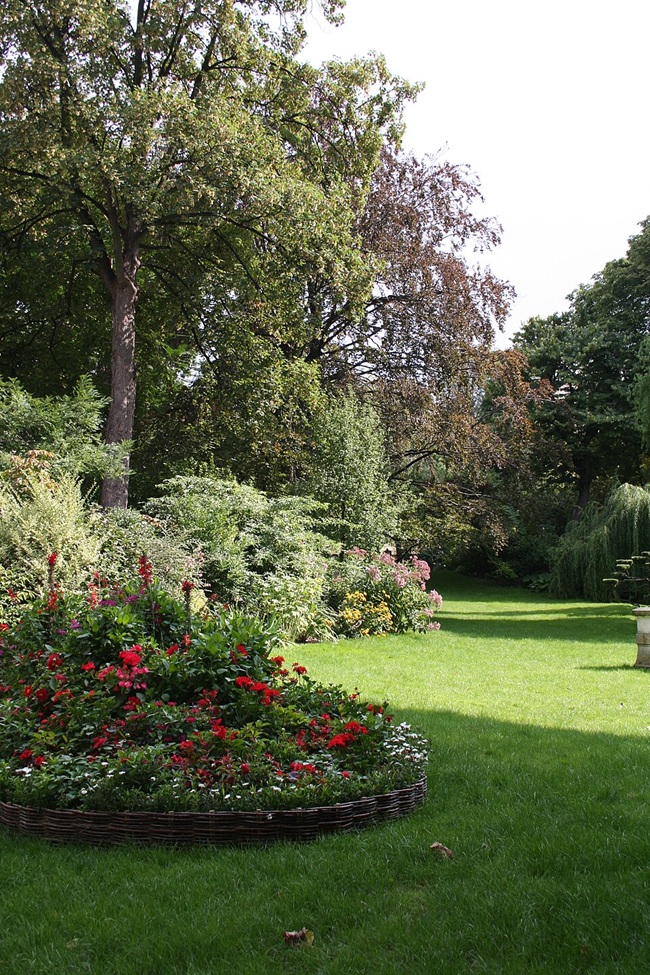
Square des Batignolles. Photo: Georges Seguin (Okki) / Wikimedia Commons
The 17th arrondissement lacks the ancient churches found in the rest of Paris — the outlying neighborhoods annexed in 1860 are too new. However, it has other places of worship from different eras. On the northwest edge of the city is Sainte-Odile, an Art Deco church, whose three domes hint toward the Byzantine-style found within. But look up, way up, because Sainte-Odile claims the tallest bell-tower of any church in Paris.
Another example of Neo-Byzantine style is the Church of Saint-Ferdinand des Ternes. It’s where mid-century modern meets the sublime. Found on one of the spokes radiating from the Arc de Triomphe, its massive bell tower holds the three bells, named Desiree, Fernande and Rosalie, remnants of the original church on this site.
Looking like a small neoclassical temple in the heart of Batignolles, Sainte-Marie des Batignolles’ modest, somber exterior yields to an abundance of 19th–century color and decoration within.
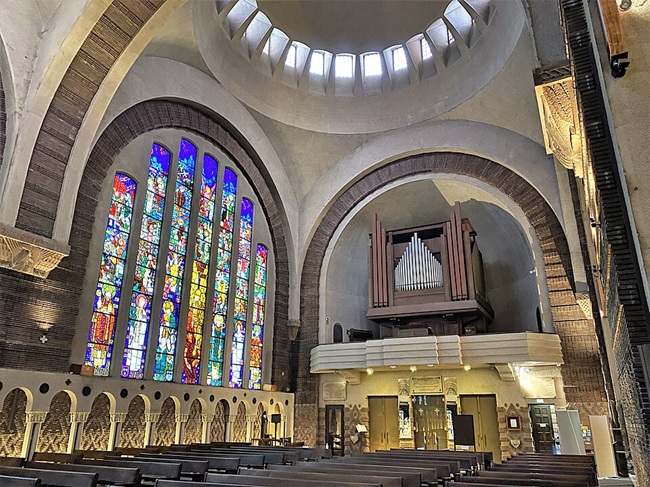
Sainte-Odile, Art Deco church. Photo: Cmcmcm1/ Wikimedia Commons
Where to Eat
Overlooking the Church of Saint Marie de Batignolles is Le Cabanon, an authentic Parisian bistro. Festooned with a jungle motif, Cabanon carries on the green feeling of the Square des Batignolles across the road. Their homemade selections include tapas and sharing platters. Day or night, it is an abundant, pretty and popular place. 75 Place du Dr. Félix Lobligeois
With a chain of cafes across Paris, Dose is a daytime place for a good coffee and a healthy French dejeuner of a sandwich or salad, or a quick refreshment after a stroll around Batignolles. 82 Place du Dr. Félix Lobligeois
Opposite Parc Martin-Luther-King is the cleverly named Coretta, an airy and tasteful restaurant named for the wife of the civil rights leader. Chef Beatriz Gonzales oversees a creative kitchen bursting with freshness and originality. Coretta offers a prix fix menu, but also a five-dish tasting menu. Ingenious pairings include crab and watercress ravioli; scallops with Jerusalem artichokes, topped with bergamot and a champagne dressing. 151 bis rue Cardinet
View this post on Instagram
Le Petit Boutary is a surprise. In this welcoming and warm space, creative cuisine is served in the form of an unpredictable menu. Chef Romeo’s market finds are crafted into new flavors and daring combinations – all beautifully presented. Customers rave about the tasting menu; expect the unexpected in this gourmet bistro. 16 Rue Jacquemont
The décor at the Big Mama group is exemplary and Mamma Primi is no exception. It’s an elegant and convivial trattoria. Sure, it’s Italian cuisine, and sure it’s a chain, but it’s abundantly fun. The generous menu includes fresh, homemade pasta and Neapolitan pizzas, Italian wines, and decadent desserts. 18 Rue Boursault
L’art du Quotidien is a spot where bistronomy rises from the bustling market in the rue de Lévis. Meaning the art of everyday life, L’art du Quotidien works in tandem with French farmers and artisans committed to the French terroir. Their inventive menu changes weekly and is comprised of tastes like beet and mushroom risotto and cod with hazelnuts and preserved lemon, all made with a delicate hand. With free wifi, you’ll feel comfortable working, or just watching, from one of their tables by their vibrantly painted green façade. 98 rue de Lévis
At Le Potager de Charlotte, the vegetarian menu is based on local, seasonal produce. It’s a gourmet approach to plant-based cuisine. Everything on the small bijou of a menu is made in house. Not to be confused with crunchy granola-type café, here you can get stellar plates consisting of chickpea and rice pancakes, yellow beet hummus, squash curry with maple syrup. They pair it all for you with wine suggestions. 21 rue Rennequin
View this post on Instagram
The kitchen at the vibrant Champotes creates simple, elegant meals. It’s the best of market cuisine— honest with no pretenses, just good ingredients, and good flavors. Friendly owner Aurelien is a chef who prefers to call himself an innkeeper. Part of the experience, he often checks the front of house. The small menu offers generous dishes like foie gras ravioli with truffles and chestnuts, tuna Tataki with aubergine and miso. The desserts are delicious. There’s an extra-extra large profiterole. At first bite, you’ll know it’s good. It’s a gem and excellent value for money. Champotes is located on a quiet cul-de-sac at 3 Villa Berthier.
View this post on Instagram
Also in this neck of the arrondissement north of Boulevard Pereire is Le Paris 17. From the tiled floor, vintage posters to the clever lighting, it’s the kind of quintessential Paris restaurant that people dream of (at least I do). They offer inventive twists on the traditional French bistro meals – like fennel, mushroom and parmesan salad. The l’oef en meurette is great – it’s poached egg in wine sauce with bacon and onion. It’s kind of like breakfast soup! 41 rue Guersant
Le Rouge et le Verre – Brunel is a wine merchant with an handful of intimate tables and a corner fire to keep you warm as you enjoy a hearty cassoulet or a bountiful board of meat and cheese. This unique find is located at 33 rue Brunel.
Le Saint Ferdinand boasts traditional French cuisine in a contemporary top-notch brasserie. In this appealing space, grounded with black and white checkerboard floor, guests can enjoy with charcuterie plates, pizzas, foie gras, escargots, coconut curry shrimp, truffle pasta, and duck in honey and orange. 4 place Saint Ferdinand
Where to drink
Au Petit Rozey is a wine bar on a narrow street with timbered ceilings and stone walls. A sign “Marchandises d’Occasions” is the only hint that you’ve got the right place. Positively humming in the evenings, this cozy bar serves up traditional French fare at good prices and the atmosphere is great. The friendly staff are knowledgeable about the wines. 43 rue Lemercier
Le Beaux Gamins is a bar and a brocante at the same time. Their furniture and decorations are for sale. If you love some of their character pieces, don’t be afraid to ask. From their zinc bar (I don’t think it’s for sale), you can order fine wines, craft beers, creative cocktails, and quality spirits. They also serve a wide range of rillettes, terrines, and oysters. With a lot of personality, it can get pretty lively.
Le Comptoir des Batignolles is a well-known neighborhood bar with a relaxed and friendly atmosphere, where you can enjoy cocktails and beer. It doesn’t pretend to be a high-end and the prices are very affordable. Small, the ground floor has a limited number of tables. Live music is organized there in the evenings, featuring DJs, solo guitarists, or bands. In the basement, a brick cellar is very popular for parties, where you can play your own music. 20 rue des Dames
Practically next door but separated by rue Nollet is Les Caves Populaires. Students and older locals hang out here for cheap drinks and a lively unforgettable atmosphere in the evening, but when the DJ’s still sleeping, but the place is chill enough to work for an hour or two during the day. There’s an extensive and expertly curated selections of wine and beers. Seats are hard to come by after 8 pm. 22 Rue des Dames
Haze is a speakeasy that seems to shed its submarine themed details, but you still have to find the bell behind the metal door. The décor at Haze virtually drips in very dark red. So dark, the menu’s secret writing only glows thanks to a small UV light. The cocktails are expertly crafted, but not cheap — a few of which are the Cucumber Gimlet fashioned from gin, chartreuse, and Sambuca; or the Hazelnut Mint Julep designed to be shared. 4 rue de l’ Arc de Triomphe
View this post on Instagram
L’ambre at 29 Rue Brunel isn’t amber, or red like Haze — its bar glows blue. But blue doesn’t have to mean sad. At L’ambre, there are cocktails galore and fun. Created by two former bartenders from the renowned Hôtel de Crillon, it has the ambiance of a 1930s bar with DJ sets. Eat before you go.
The bar offers a warm welcome and people love L’entrepotes. The conviviality spills onto the sidewalk. Apart from some grumbles about the noise level, it seems to be everyone’s favorite in the 17th. Here you can watch the match, play chess, sing karaoke while enjoying a drink, sharing a charcuterie plate and some laughs. 68 avenue de Clichy
Where to shop
There’s lots of very interesting shopping in the 17th arrondissement, but in this quiet quarter it’s like panning for gold – it’s worth it.
MaraNDurie is a contemporary boutique offering a selection of clothing brands and accessories. The racks feature an explosion of bright, chic clothes and depending on how you accessorize, a bit bohemian. Marie, with her big smile, is the epitome of casual elegance. The name is an anagram of the current owner Marie and her mother, Nicole Duran. Here a blouse is €150 and up; a dress would start at around €350. 34 Avenue Niel
View this post on Instagram
Villa Gypsy Paris is a unique concept store offering up a bohemian-chic lifestyle. It’s half home goods and half café. The boutique offers a selection of handcrafted items in calm pastels and sea colors. With comfort food like granola, soup, or pancakes, it feels like a smaller less pretentious version of the over-hyped Merci. 26 Rue Legendre
To scratch that vintage shopping itch, Cinq Aout Paris is a thrift store at 108 Rue Legendre, with a very well curated collection of gently used clothes. Fripery on 16 Rue Boursault is also a great address for vintage shopping. They’ve got a turntable and LPS — that’s how you know they’re cool.
Les Raffineurs Batignolles sells great mod gifts, toys, games, and electric gadgets. It’s kind of like a toyshop for children and toyshop for adults, because there’s Joseph the Nightlight Rabbit. I think I want it. 39 rue des Batignolles
All Access Records is fun place for diggers and divers of vinyl. At 3 Rue Brochant, this music store has albums, new and used, books and collectors items. The owner is passionate and knowledgeable.
Oscar Wilde could resist everything except temptation; I’m sure the author would give in to Arlette & Colette, an excellent bakery that features treats worth returning to. There are creamy pistachio, hazelnut, or vanilla tartlets called Absolus, miniature Paris Brest, black currant, and chestnut cream eclairs. For a viennoiserie, the chignon with salted caramel at its center is something else. Perhaps this is satisfying treat after a tempting stroll down the Cité des Fleurs. 4 rue de la Jonquières
On the other side of the arrondissement, Le Jardin Sucré is a garden of sweets where you’ll be able to satisfy your sweet tooth with pastries, wobbly little entrements, bonbons, and biscuits. An array of tarts includes flavors like pistachio orange blossom, intense hazelnut, and the unusual black sesame – yuzu tart; it sounds weird but black sesame is an umami that you’ll grow to love. The macarons are worth the detour. The shop is owned by two self-taught pastry chefs who won the French Macaron Championship in 2014. 156 rue de Courcelles
The lively rue de Lévis in Batignolles is the best shopping street in the 17th. It combines cool boutiques with the traditional frisson of an outdoor market. On the southern part of the road, permanent vendors pull their carts out to the sidewalk to peddle their wares, with the enticing smells of chicken, sausage, and fresh bread filling the air. It’s like rue Mouffetard, but without the topography. Produce like purple plums, watermelons, and grapes are tessellated in colorful displays. Dotted in between are florists with tulips, and fragrant lilies, and artisanal chocolatiers like the Mere de Famille and Ducasse where you can treat yourself to a fragrant bouquet to top off a busy day.
Among the boutiques worth visiting, Les Marchandes Jouets is a treasure trove of quality games and puzzles, with dolls, stuffies, books, and backpacks. Toys from babyhood to ‘tweens. 83 rue du Lévis
At La Librairie des enfants, a gorgeous selection of children’s books and a smattering of toys are found in this happy place. The owners are passionate about their neighborhood store. 89 rue du Lévis
View this post on Instagram
For older kids, or kids who don’t want to grow up (after all, who doesn’t love Tintin?), the comic books shop Bulles de Salon (94 rue de Lévis) sells the classics like Hergé, Asterix, and Nestor Burma plus manga, toys and collectibles. Across from the stalls of clementines and pears, the Librairie Fontaine branch has a small section of English books upstairs at 48 rue de Lévis.
View this post on Instagram
The esoteric boutique Famille Mary – Tresors de la Ruche is stocked with a wide range of honeys and honey–based items including cosmetics. 16 rue de Lévis
Oliviers & Co, situated at 16 rue de Lévis, is committed to producers who follow traditional and sustainable practices. They sell a very wide selection of olive oil, tapenades, and an amazing array of gourmet food items, both sweet and savory.
Lead photo credit : Hôtel Gaillard. Photo: Ricardalovesmonuments / Wikimedia Commons
Related Articles