
The Essential Guide to the 2nd Arrondissement

- SUBSCRIBE
- ALREADY SUBSCRIBED?
BECOME A BONJOUR PARIS MEMBER
Gain full access to our collection of over 5,000 articles and bring the City of Light into your life. Just 80 USD per year.
Find out why you should become a member here.
Sign in
Fill in your credentials below.
The 2nd arrondissement is the smallest in Paris — but don’t let this fool you into thinking there’s not much to do there. Rich in history going back to the 14th century, the 2nd arrondissement links five main neighborhoods: Sentier, Bourse, Vivienne, Bonne Nouvelle, and Saint-Denis. Each with its own atmosphere and attractions, the neighborhoods of the 2nd provide endless hours of places to explore. As a bonus, the Marais, Louvre, Opéra Garnier, Place Vendôme, and Pompidou Center are all within a 20-minute walk away.
TOP SIGHTS
Porte Saint-Denis
A smaller version of the Arc de Triomphe, Porte Saint-Denis (built in 1672) offers a glimpse into 17th-century Paris, when King Louis XIV had this grand arch commissioned to serve as a royal gateway into the city. At that time, the surrounding areas weren’t yet a part of Paris, so Porte Saint-Denis marked the king’s entrance into the city through the medieval wall of Charles V (built between 1356 and 1383 and later demolished as Paris expanded). Porte Saint-Denis also provided a dramatic entrance for royals as they returned to Paris after services at the Basilique de Saint-Denis. A bit farther down the street, in the 3rd arrondissement, you’ll find the complementary Porte Saint-Martin (built in 1674), a slightly smaller and less decorated version of the Porte Saint-Denis.
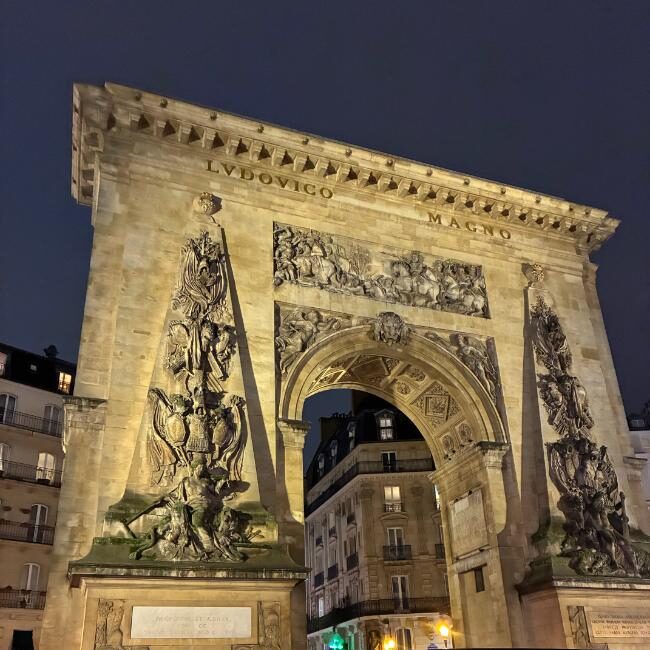
Porte Saint Denis. Photo: Jill Amari
The Grand Rex is the largest cinema in Europe, with its “Salle Infinite” boasting 3,300 seats. Classified as a historical monument, the Grand Rex was opened in 1932. During World War II, Nazi Germans seized the cinema for their own entertainment, and the Grand Rex wasn’t returned to its former glory until the Liberation of Paris in 1944. This iconic Art Deco landmark, which underwent significant renovations during the Covid pandemic, now hosts special premieres with celebrities, offers guided tours, runs an escape game entitled “Save the Cinema,” and, of course, shows all the latest films and replays some of the greatest movies in cinematic history.
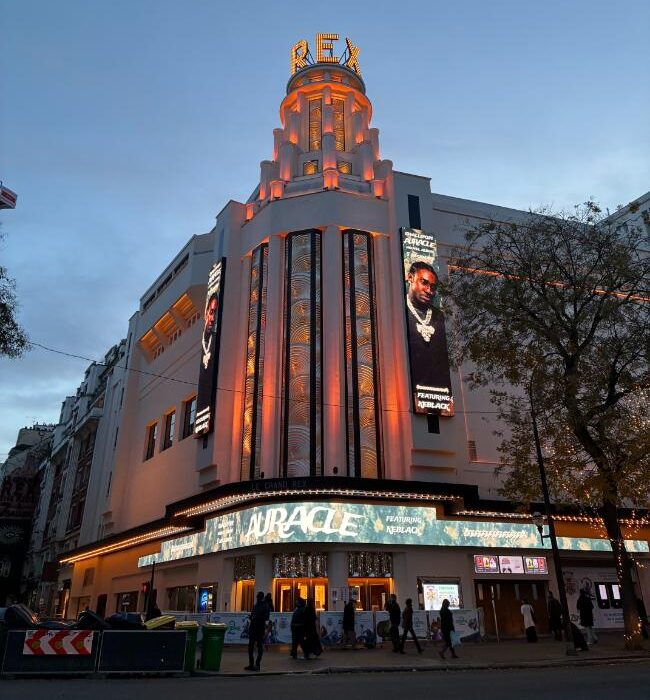
The Grand Rex. Photo: Jill Amari
Oasis d’Aboukir
In the Sentier neighborhood of the 2nd arrondissement, you’ll find a huge wall of green— yes, they’re real plants! This “Mur Végétal” in the Oasis d’Aboukir was created by famous botanist Patrick Blanc and provides a breath of fresh air to the often-crowded area. Just across the street, on another wall, you can also appreciate the mural of Tintin and Captain Haddock by street artist Combo.
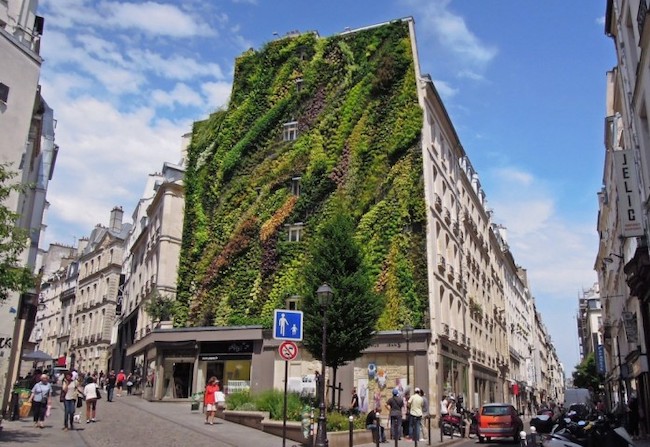
Green wall on rue d’Aboukir in Paris. Photo credit: Vertical Garden Patrick Blanc
Surprisingly, Paris’s oldest covered passage isn’t very well-known, nor does it attract many visitors. This is likely due to Passage du Caire’s focus on industrial workshops, rather than more touristic shopping. Opened in 1798, Passage du Caire — and the Egyptian-inspired neighborhood around it — was inspired by Napoleon’s expedition to Cairo. The entire Sentier area, including Passage du Caire, has been at the forefront of the printing and lithography industries and later the textile industry. Though the textile industry has mostly left central Paris, Passage du Caire has remained true to its roots: showrooms and tailoring workshops dominate the alleyways.
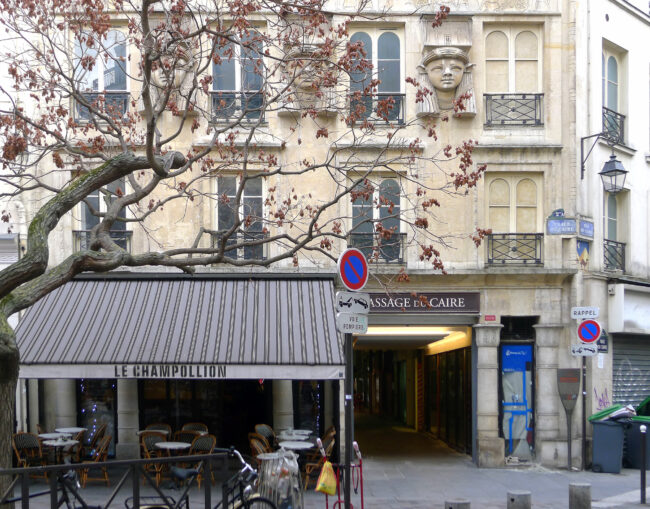
Entrance to the Passage du Caire. Photo: Mbzt / Wikimedia commons
Place des Victoires
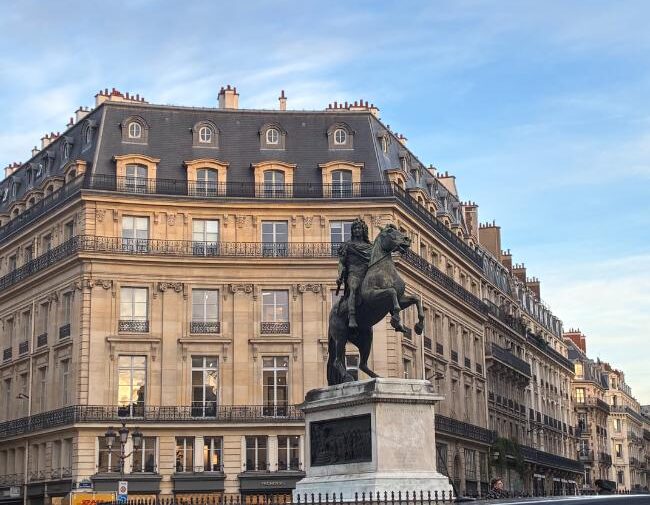
Dedicated to the military victories of Louis XIV, Place des Victoires boasts an impressive sculpture of the king on horseback. However, this statue is not the original: during the French Revolution, the old statue was torn down, and in 1828, it was replaced with the equestrian statue that stands there today.
Bourse/Palais Brongniart
The Bourse neighborhood was home to Paris’s stock exchange, located in the Palais Brongniart, which was commissioned by Napoleon and inaugurated in 1826. The Palais still stands today, but it’s no longer a financial center; the Bourse closed in 1998. Now, the Palais Brongniart is a conference and event center (for instance, it was used during the 2024 Paris Olympics as the USA House). However, you can still admire this magnificent building from the outside and explore other sites that the Bourse neighborhood has to offer.
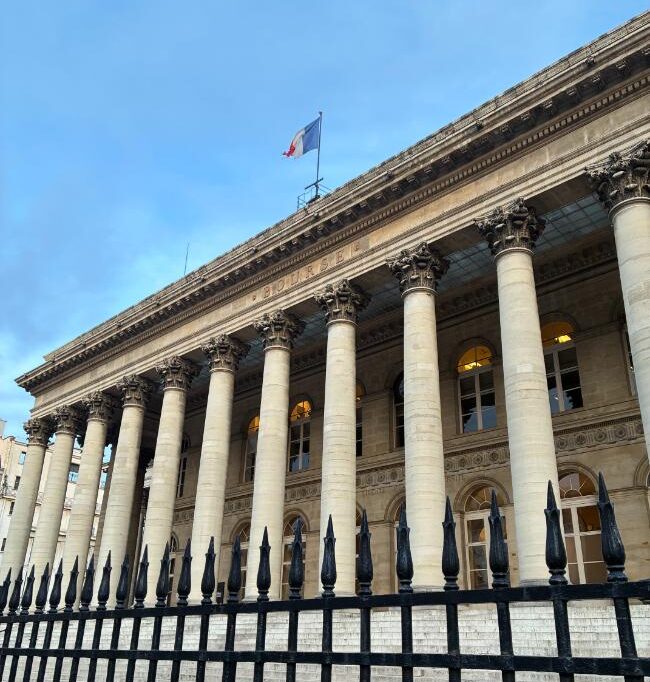
Palais Brongniart. Photo: Jill Amari
Renovated in 2022, the Richelieu branch of the Bibliothèque Nationale de France is known for its Salle Ovale (Oval Room) and museum. While access to the Oval Room and garden is free, these areas can often get crowded, so purchasing a card to the reading rooms might fit better for those who are looking for a quiet place to work or study. The museum also requires a ticket but is well worth the visit — there, you can learn about historical artifacts and manuscripts from ancient to contemporary times.
Rue Montorgueil
Technically, rue Montorgueil is in the 1st arrondissement, but it begins as rue des Petits-Carreaux in the 2nd. This historic market street has its roots in the Middle Ages, when the Les Halles and Montorgueil areas were reserved for outdoor markets. Along this pedestrianized street, you can still find specialty stores selling classic market wares, such as butcher shops, fish stores, cheese shops, and fruit and vegetable stands. Stohrer, the city’s oldest patisserie, stands among other specialty shops along this famous street.
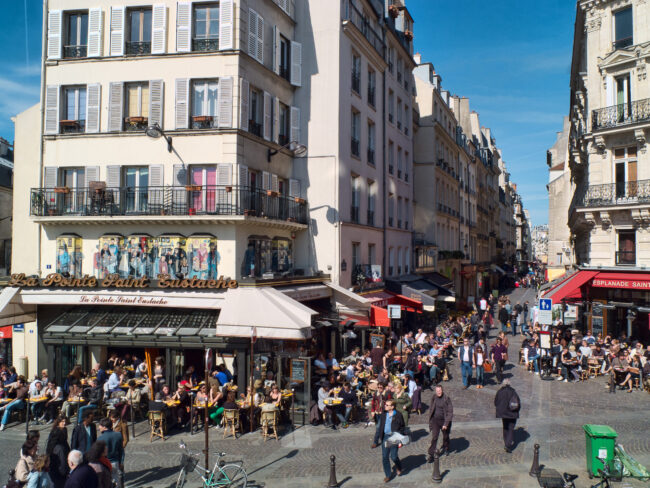
Rue_Montorgueil. Photo: Jean-Christophe BENOIST / Wikimedia commons
SHOPPING
Thrift stores, vintage shopping, and sustainable shopping
Did you know that the cheapest thrift store in Paris is located in the 2nd arrondissement? At 5 rue Notre-Dame de Bonne Nouvelle, you’ll find a tiny secondhand store where every item costs 2€85, 1€50, or 0€95, depending on the day. Another thrift store in the area is La Ressourcerie, an offshoot of Emmaus (13 rue Leopold Bellan). Here, you can find the usual clothes and shoes, but also jewelry, books and toys, home appliances, kitchen supplies, and furniture. For even more shopping options, including other secondhand stores, the mall at Les Halles is only a 15-minute walk away, straight down rue Montorgueil.
Covered passages
While it’s very easy to get around the 2nd arrondissement on foot, the Parisian weather isn’t always the best for wandering outside. Never fear—this neighborhood is home to the largest number of covered passages in the city.
If you’re looking for holiday or birthday gifts or just want to explore one of the most beautiful and famous covered passages, head to Galerie Vivienne. From used bookstores, to chic cafés, to toy stores, there’s something for everyone at Vivienne.
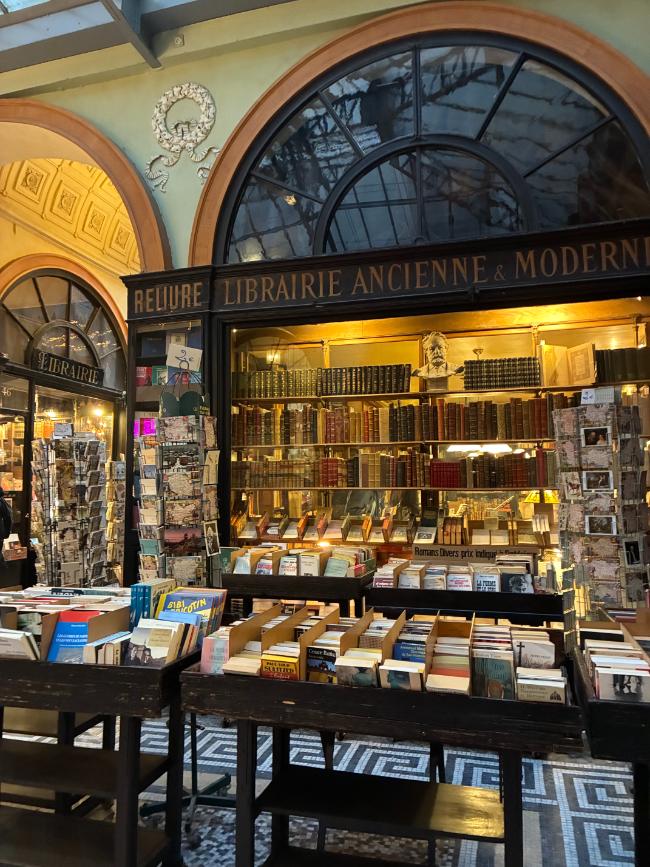
Inside Galerie Vivienne
To meander through a passage which has remained authentic to its 1825 self, check out Passage du Grand Cerf, which has the tallest glass ceiling at three floors high. Some shops signs are still the originals, having been restored during a massive renovation in the 1990s. Grand Cerf and its offshoot Passage du Bourg l’Abbé are the best passages to visit if you’re looking for specialty shops, such as jewelry ateliers or furniture repair stores.
To explore a passage with a rich history, visit Passage Choiseul. While this passage was once the city’s go-to spot for theater and literature, Passage Choiseul is now known for its many Asian restaurants and spots to grab a quick bite or drink to go, in addition to unique and sustainable shopping options.
These are just a few of the covered passages the 2nd arrondissement has to offer —many more surround the area. Needless to say, there’s plenty to see and do in this neighborhood!
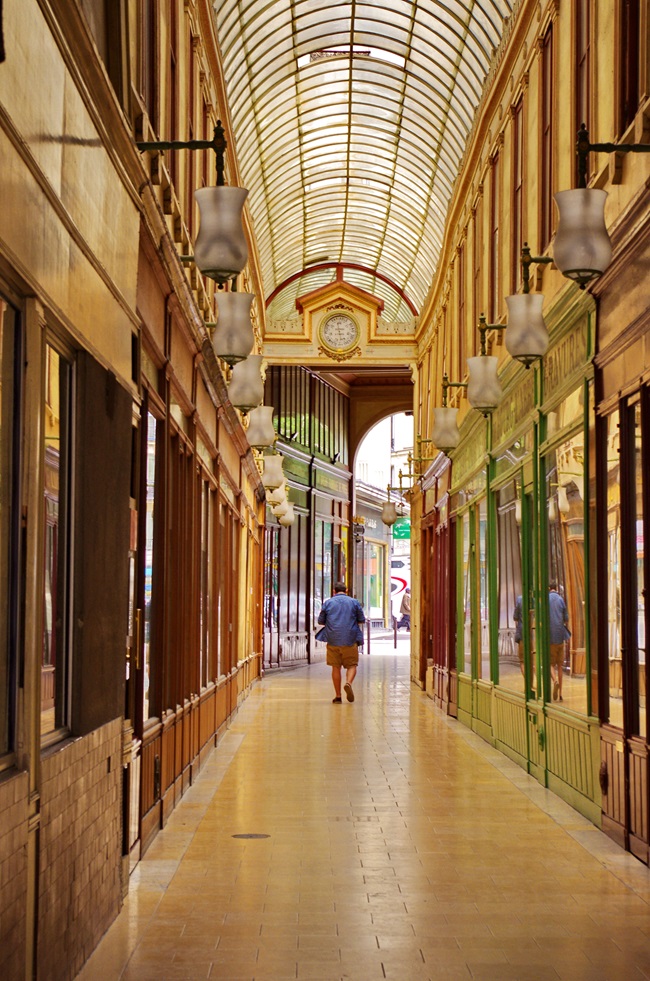
Passage du Grand Cerf. Credit: Pascal POGGI
RESTAURANTS
The 2nd arrondissement is saturated with restaurants, from fine dining with Michelin stars to small, family-owned restaurants. In addition, trendy dessert and coffee shops have set up in the Sentier and Montorgueil areas, attracting locals and tourists alike. No matter what you’re craving, you can find something to satisfy in the 2nd.
Rue des Petits Carreaux/rue Montorgueil offer a mass of restaurant choices, many of which propose classic French and other European cuisines at decent prices. Another street with multiple food options is rue du Nil, known not only for its collection of Terroirs d’Avenir organic stores, but also its gluten- and lactose-free Thai/Cambodian restaurant Thaïsil, Taiwanese restaurant Foodi Jia-Ba-Buay, and Michelin-starred restaurant Frenchie.
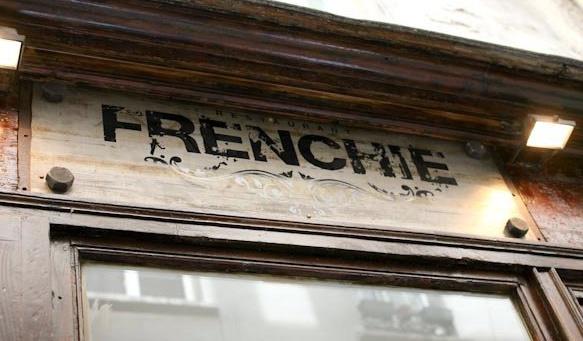
Frenchie, via Facebook
For Mexican-inspired cuisine and signature cocktails, check out Tigermilk (77 rue d’Aboukir), which is always sure to have a crowd in the evenings and on weekends. A bit farther up, near the Grand Rex, you’ll find some of the city’s best ramen at Zuzuttomo (10 rue Poissonnière).
If you’re in the mood for classic pub food and a lively atmosphere, Frog pubs are the place to go. Each pub has a different theme and offers vegetarian and vegan options, and you can privatize rooms for sports matches, parties, and other events. There are two locations in the 2nd: Frog & Underground at 176 rue Montmartre and Frog & Rosbif at 116 rue St. Denis.
In the Vivienne neighborhood, you’ll find the high-end brasserie Le Grand Colbert (2 rue Vivienne), known for its array of homemade dishes and, in particular, its variety of seafood options. They also offer a salon de thé from 3-6pm every day.
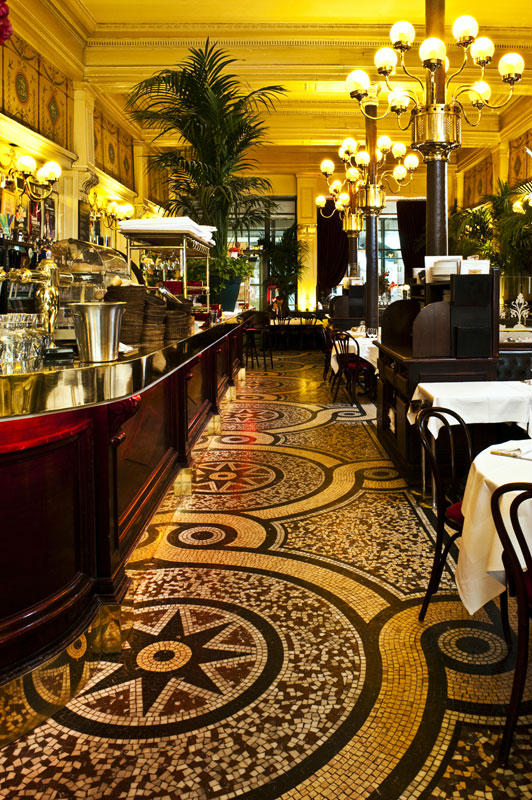
courtesy of Le Grand Colbert
UNIQUE BARS & NIGHTLIFE
Owned by the Experimental Group, Experimental Cocktail Club was one of the first cocktail bars in Paris. Just finding the club is a challenge, but once you’re past the curtains which block out the sights and sounds of the busy rue Saint-Sauveur, you’re treated to a delicious array of specialty cocktails and drinks.
Address: 37 rue Saint-Sauveur
If you’re looking for a cave or wine bar, the 2nd arrondissement is the place to go. There are a few bars à vin near the Grand Rex along rue Poissonnière, one of which is Vignes en Ville. In addition to their large wine selection, Vignes en Ville offers lunch and dinner options and hosts special evenings for holidays and events, such as Halloween and sports matches.
Address: 15 rue Poissonnière
Did you know that the Grand Rex Cinema has its own nightclub? Party all night beneath the famous movie theater, where its club has been a pioneer of electronic music since 1988. Renovated in 2023 to include innovative light and sound systems, the Rex Club promises a night of dancing, music, and fun.
Address: 5 boulevard Poissonnière
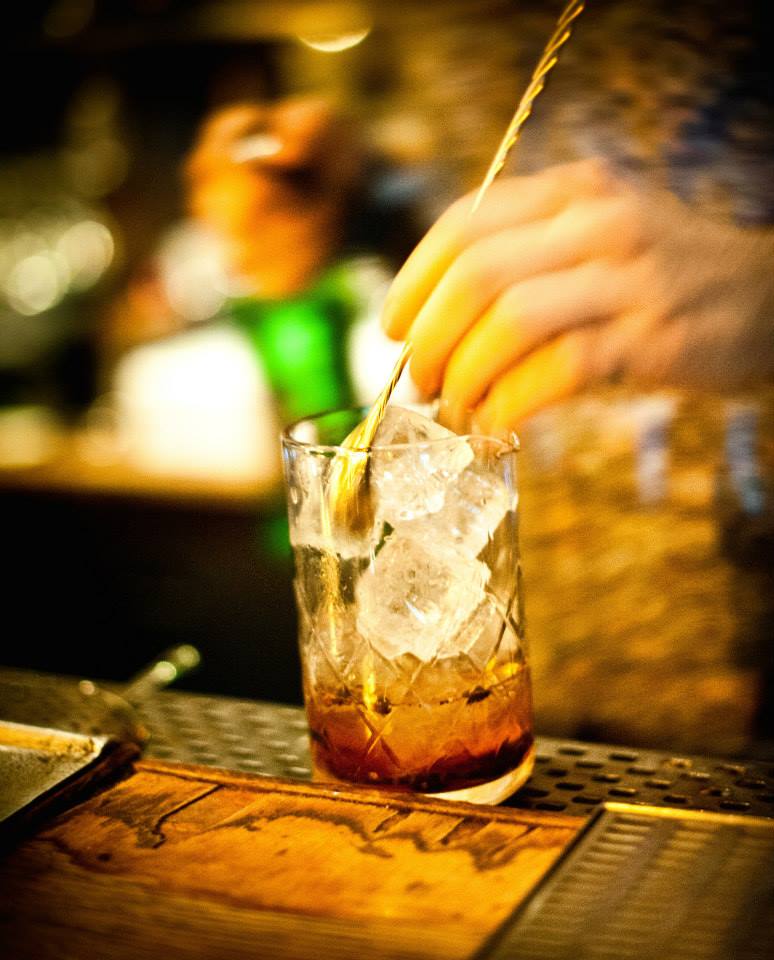
courtesy of Experimental Cocktail Club
Lead photo credit : Place des Victoires. Photo: Jill Amari
More in covered passages, grand rex
Related Articles
By Jill Amari