
Make Way for Berthe Weill, Art Dealer Extraordinaire
- SUBSCRIBE
- ALREADY SUBSCRIBED?
BECOME A BONJOUR PARIS MEMBER
Gain full access to our collection of over 5,000 articles and bring the City of Light into your life. Just 80 USD per year.
Find out why you should become a member here.
Sign in
Fill in your credentials below.
The artists called her Mère Weill (Mother Weill), which sounds like the French word merveil (marvelous) and slightly rhymes with her real name Berthe Weill (pronounced Bert Vay), the tiny, dynamic gallerist who launched some of the greatest 20th-century artists in art history, such as Pablo Picasso, Henri Matisse, Amedeo Modigliani, and Diego Rivera. Notice that three out of the four were not French. That was one of Berthe Weill marvelous gifts; she opened her doors and her heart to people from all walks of life, welcoming immigrants, the marginalized (women and Jews), and the unconventional (gay and bisexual people). Berthe herself belonged to the second category, and perhaps the third. She was a single woman from an Alsatian–Jewish family, who had the unprecedented temerity to run her own art gallery for contemporary art when the market was relatively new and dominated by male dealers. Today, at the Musée de l’Orangerie, 124 years since Galerie B. Weill opened on December 1, 1901, at 25 rue Victor Massé, in the 9th arrondissement, the marvelous Mère Weill is being honored with an exhibition dedicated to her extraordinary story, her exciting artists, and her significant legacy: Berthe Weill. Galeriste d’avant-garde.

Marianne Le Morvan, art historian, curator, and founder/director of the Archives Berthe Weill
Why haven’t we heard of Berthe Weill before? That too is another story about three women who rescued her from oblivion. It began with Michael C. FitzGerald’s book Making Modernism: Picasso and the Creation of the Market for Twentieth Century Art (1995), which describes Picasso’s first encounters with the Parisian art market in 1900. Berthe Weill bought and sold his work in 1901 and mounted his first exhibition in Paris in April 1902. Astonished to discover a female art dealer in FitzGerald’s book, the French art historian Mariane Le Morvan chose this topic for her art history dissertation, bringing Berthe Weill out of the shadows and into the spotlight. Her outstanding biography Berthe Weill (1865-1951): La petite galeriste des grands artistes with Edition L’Ėcarte (2011) includes photographs of archival material, a list of her artists and their exhibitions, and a valuable bibliography. Le Morvan also created the Berthe Weill website bertheweill.com, which includes the Berthe Weill Archives.
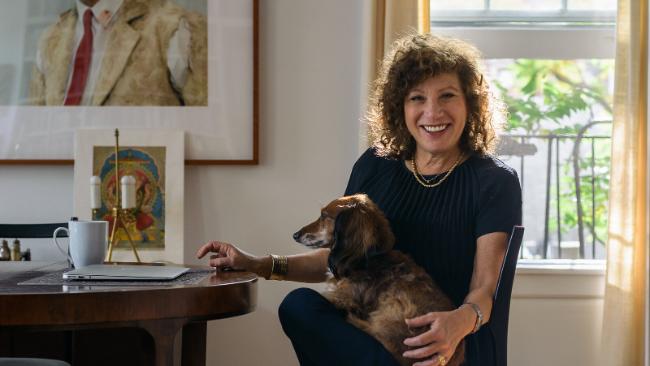
Julie Saul (1954-2022), owner/director of Julie Saul Projects, photo by Tahir Karmali
Concurrently, the New York gallery owner Julie Saul found Berthe Weill’s name in FitzGerald’s book and then contacted Marianne Le Morvan in 2001. Subsequently, she shared her excitement about this extraordinary pioneering French art dealer with her friend and colleague Lynn Gumpert, who was the director of the Grey Art Gallery (now the Grey Art Museum) at New York University. Gumpert felt Berthe Weill deserved an exhibition.
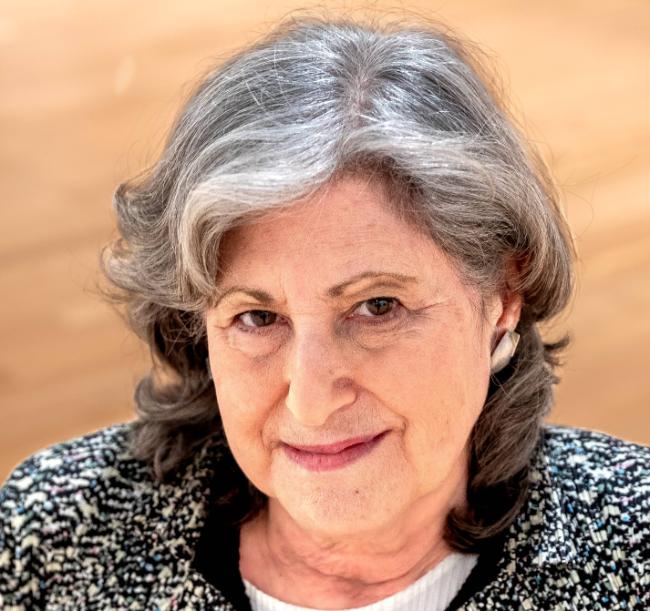
Lynn Gumpert, PhD, director emeritus of the Grey Art Museum, NYU
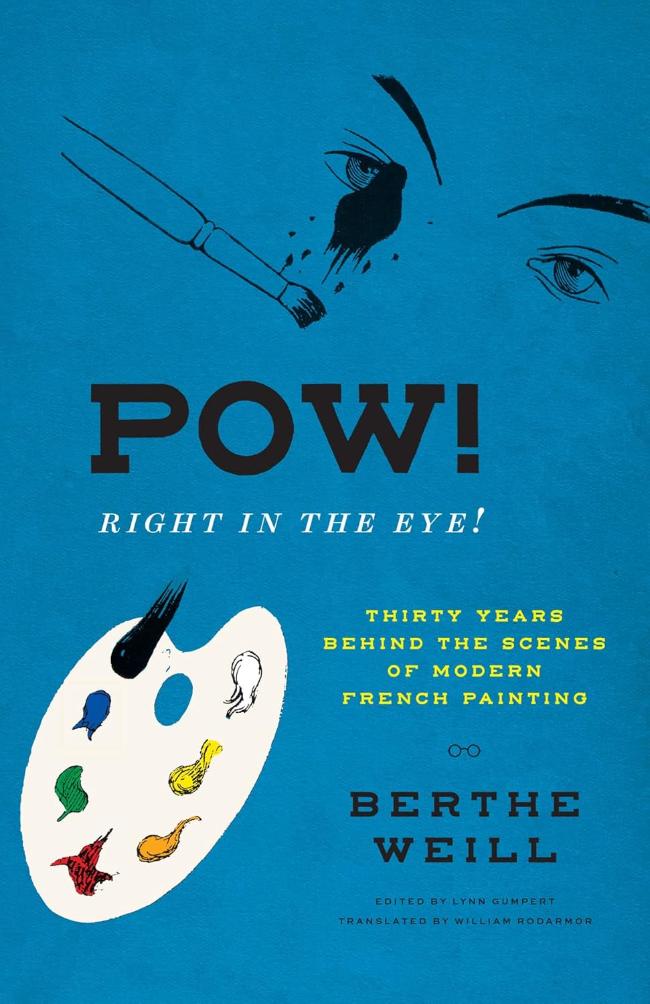
First, Saul, Gumpert and Le Morvan focused their energy on the translation of Weill’s memoir Pan! dans l’Oeil... trents ans dans les coulisse de la peinture contemporaire, 1900-1930, published in 1933 by French publisher and bookseller Jacques Lipschütz, who specialized in Judaica. (His wife Eva knew Berthe Weill and may have brought her manuscript to his attention.) Pan! was published again by Editions L’Echelle de Jacob in 2009 and 2021.
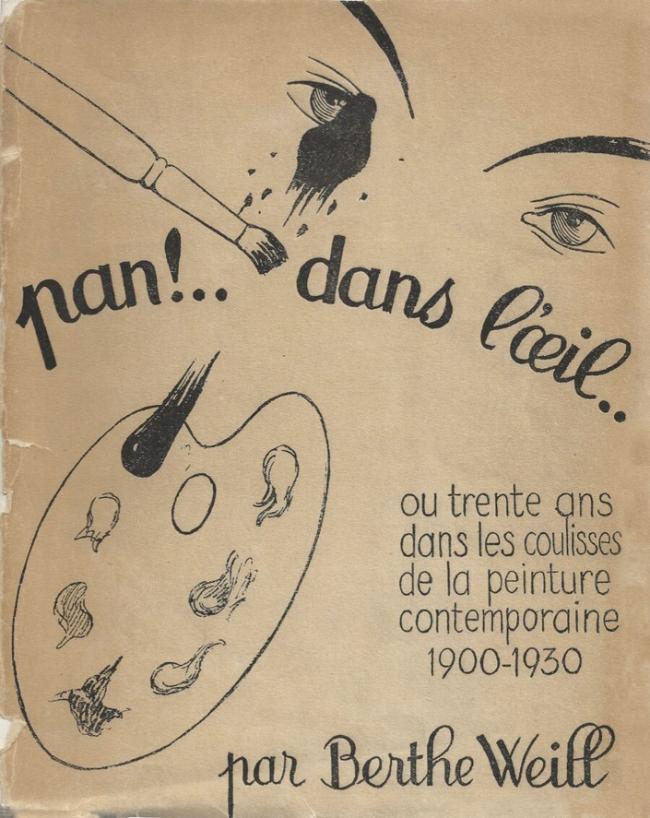
Pow! Right in the Eye: Thirty Years Behind the Scenes of Modern French Painting was translated into English by award-winning journalist/translator William Rodarmor and published by University of Chicago Press. It arrived in the bookstores at the end of June 2022, five months after Julie Saul lost her battle with cancer on February 4, 2022.
For nearly a quarter of a century, Julie Saul, Lynn Gumpert, and Marianne Le Morvan pursued their Berthe Weill project, which led to the current exhibition at the Musée de l’Orangerie: Berthe Weill. Galeriste de l’avant-garde (October 8, 2025 – January 26, 2026). The first version Make Way for Berthe Weill: Art Dealer of the Parisian Avant Garde opened at the Grey Art Museum on September 30, 2024, and closed on March 1, 2025. The Grey Art Museum’s title referenced Weill’s business card slogan: “Place aux jeunes” (“Make way for the younger generation”).

Berthe Weill’s business card designed by Alméry Lobel-Riche 1901
Each venue has distinguished itself with different curatorial ideas and installations. The Montreal Museum of Fine Arts’ Berthe Weill: Art Dealer of the Avant-Garde (May 10 – September 7, 2025) included Picasso’s Moulin de la Galette, which belongs to the Solomon R. Guggenheim Museum, about 80 city blocks north of the Grey. It was decided to let it stay at home to delight the tourists during New York’s busy holiday season. Le Moulin de la Galette was the first painting Picasso sold in Paris, thanks to Berthe Weill who brokered the deal well before the young 19–year–old Spanish artist exhibited in her gallery.
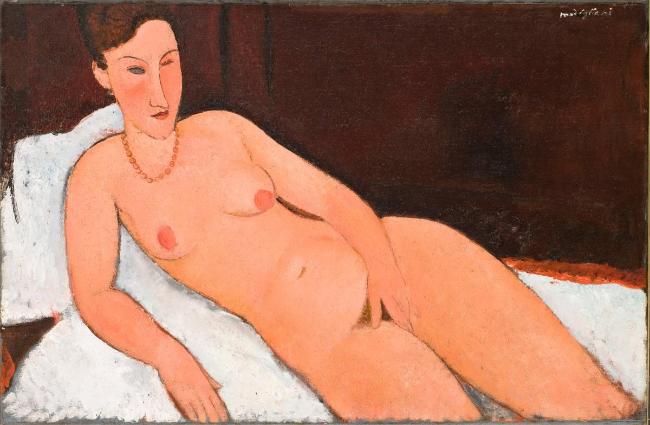
Amedeo Modigliani (1884-1920), Nude with a Coral Necklace, 1917, oil on canvas, 66,5 × 101,1 cm Oberlin, Allen Memorial Art Museum, Oberlin College, Ohio. Don de Joseph et Enid Bissett Photo © Allen Memorial Art Museum, Oberlin College, Ohio
Similarly, Amedeo Modigliani’s infamous nudes (which shut down Modigliani’s only solo exhibition at Galerie B. Weill in December 2017 due to its “indecency”) stayed at the Guggenheim and the Museum of Modern Art on West 53rd Street. In the Musée de l’Orangerie, Modigliani’s Nude with Coral Necklace (1917), borrowed from the Allen Memorial Museum in Ohio, appears in the show.
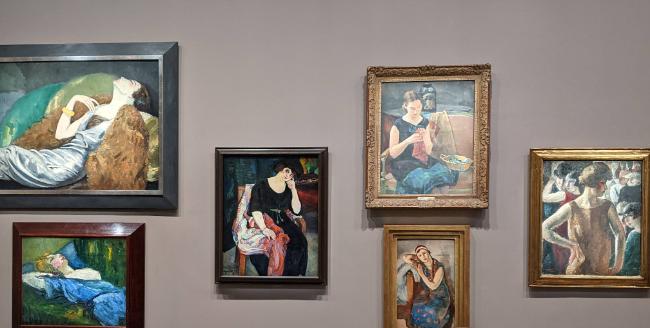
Left top: Kees van Dongen, Woman on a Sofa, 1920, Montreal Museum of Fine Art; Left bottom: Émilie Charmy, Self-Portrait, c. 1906, Private Collection; Middle: Suzanne Valadon, Portrait of Madame Zamaron 1922, Museum of Modern Art, NYC; Odette des Garets, Woman Embroidering, 1927, Centre Pompidou, Paris; Georges Kars, Portrait of a Woman, 1926, Musée de Grenable, France; Right: Georges Émile Capon, La Java, 1925, The Art Institute of Chicago, Illinois. Photo: Beth Gersh-Nesic
Moreover, the Musée de l’Orangerie’s generous space accommodates informative constellations of the works that deepen our understanding of Berthe Weill’s uncanny instincts. She was a dénicheur, an art scout, who could spot talent. As an art dealer, une galeriste, she risked her reputation and bank account on fresh talent and life-long relationships. Most of the time, she curated group shows and paid her artists the lion’s share of the price, taking only a small percentage for her coffers.
In her memoirs, she castigates herself repeatedly for her poor business sense and naïve cooperation that bled her dry. Often, she lived by her wits, such as bringing antiques on her summer vacations to sell along the way to pay for her expenses. She also sold books from her vast collection to keep afloat, and she always sold vintage posters, another source of reliable income. Each venue exhibited an assortment of Art Nouveau posters to remind us of this lucrative aspect of business. Today, her financial woes seem tragically unjust given the quality of the art she promoted. We know that her major stars Picasso, Matisse, and the like moved on to the more prestigious dealers after Galerie B. Weill launched their careers.
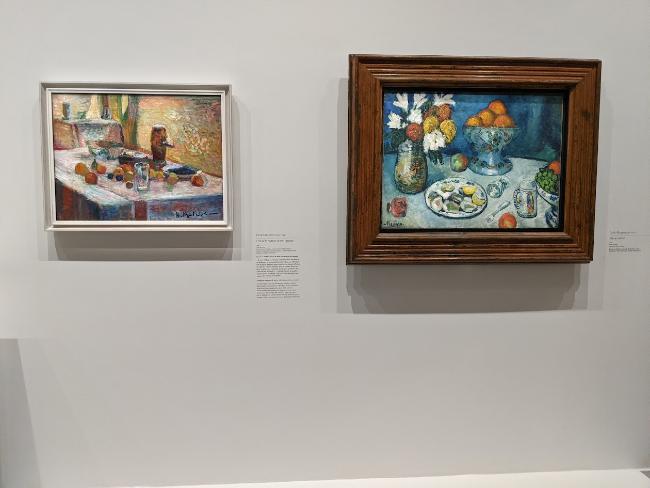
Henri Matisse, First Orange Still Life, 1899, Centre Pompidou, MNAM/CCI, Paris, on loan to the Musée Départmental Matisse, Le Cateau-Cambrésis, and Pablo Picasso, Still Life, 1901, Museu Picasso, Barcelona (in Paris, not New York)
One aspect of the Paris show that caught my attention was its thrilling juxtapositions. For example, two early still life paintings by Matisse and Picasso hang side by side, perhaps for the first time. Matisse exhibited his early work in February 1902, and Picasso exhibited his Blue Period pieces in April 1902. Both artists participated in the June 2 – 15, 1902 group show. We have no idea whether these works were in the same show, much less if they hung side by side in this fashion. No photographs of this period exist.
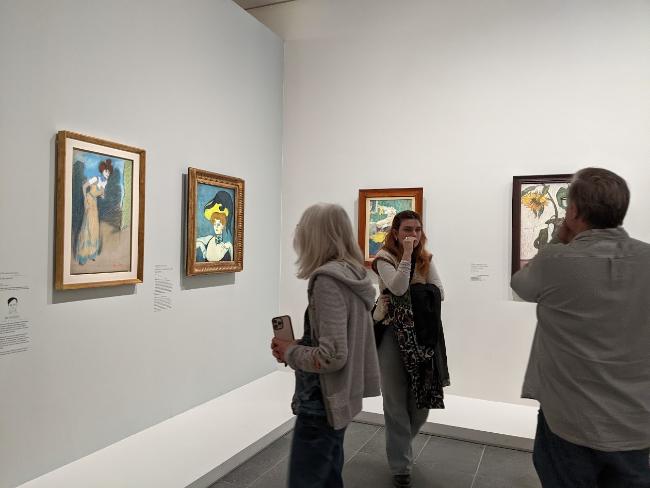
Pablo Picasso, The End of the Performance, 1901, Museu Picasso, Barcelona; and Pablo Picasso, Courtesan with a Jeweled Collar, 1901, Pinacoteca Agnelli, Turin. Photo: Beth Gersh-Nesic
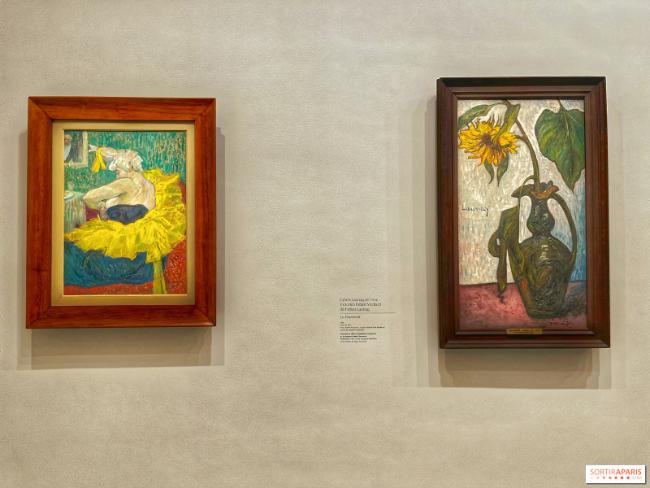
Henri de Toulouse-Lautrec, Clownesse Cha-U-Kao, 1895, Musée d’Orsay; and Fabien Launay, Sunflower, 1902. Photo: Beth Gersh-Nesic
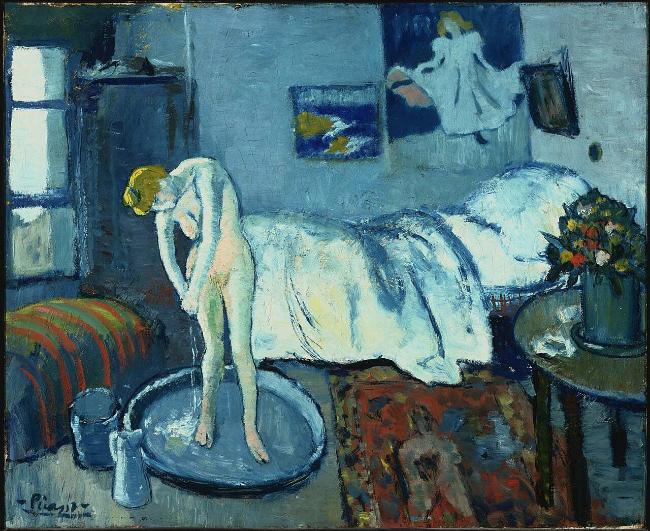
Pablo Picasso (1881-1973), The Blue Room, 1901, oil on canvas, 50,48 × 61,59 cm Washington, D.C., The Phillips Collection, acquired in 1927. Photo Courtesy of The Phillips Collection, Washington, D.C. © Succession Picasso 2025
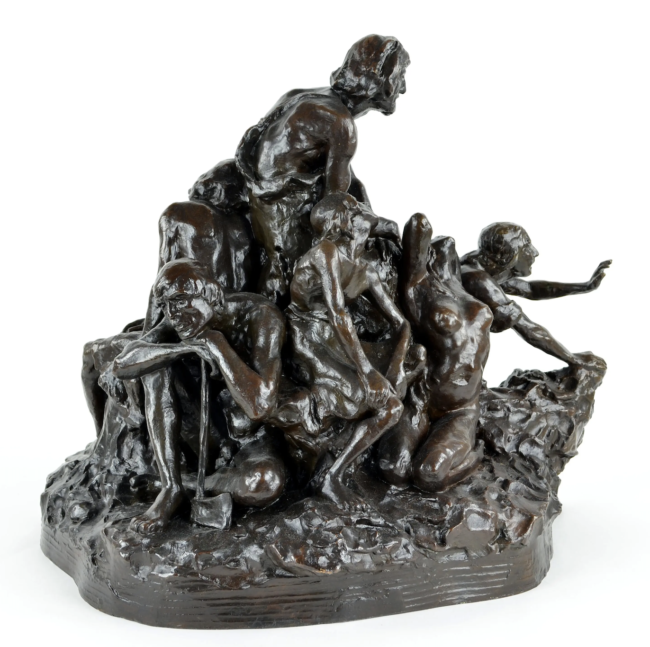
Meta Vaux Warrick Fuller, The Wretched, 1901, Maryhill Museum of Art, Goldendale, Washington
In all three venues, Berthe Weill, Gallerist of the Avant-Garde introduces numerous modernist artists who have drifted into obscurity, most notably women artists. African-American sculptor Meta Vaux Warrick Fuller (1877-1968) comes to mind. Her dramatic The Wretched (1901) appeared in Weill’s inaugural exhibition, December 1 – 31, 1901, during Warrick’s Paris sojourn from 1899 to 1903. In 1902 she studied with Auguste Rodin, and in 1903, she exhibited The Wretched in the Paris Salon.
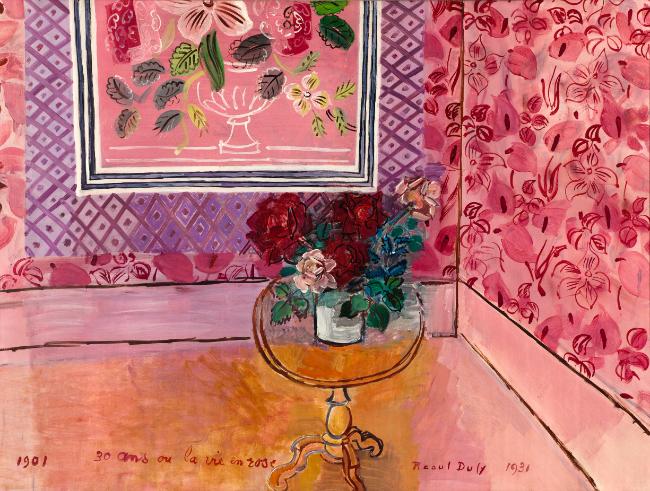
Raoul Dufy (1877-1953) 30 Years or la Vie en rose, 1931 oil on canvas 98 × 128 cm Paris, Musée d’Art Moderne, don Mathilde Amos, 1955 © Paris Musées / Musée d’Art Moderne
Leaving behind Picasso and Matisse in the first gallery, we move on to the Fauves, the Cubists, the School of Paris, and the emerging abstract European painters. Raoul Dufy’s spunky pink Thirty Years or La Vie en Rose (1931) electrifies the School of Paris contingent which features the very best of that movement from Kees von Dongen to Marc Chagall. Dufy’s celebratory homage serves as the exhibition’s signature motif for tote bags, change purses, magnets, and pillowcases.
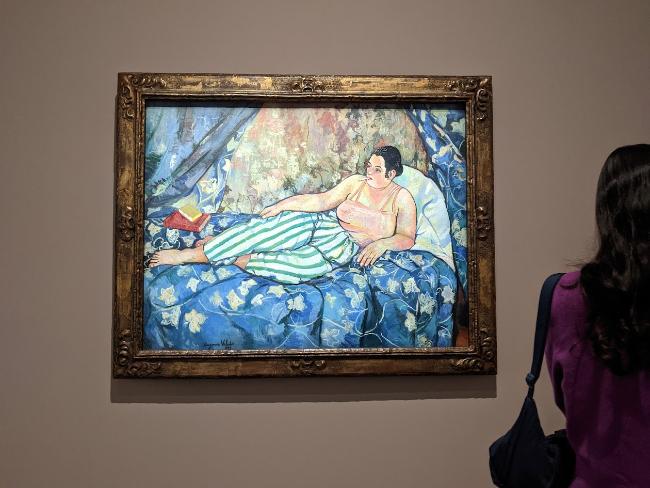
Suzanne Valadon (1865-1938), The Blue Room, 1923, oil on canvas, 90 × 116 cm, Paris, Centre Pompidou, Musée National d’Art Moderne / Centre de création industrielle, déposé au musée des Beaux-Arts de Limoges. Photo: Beth Gersh-Nesic
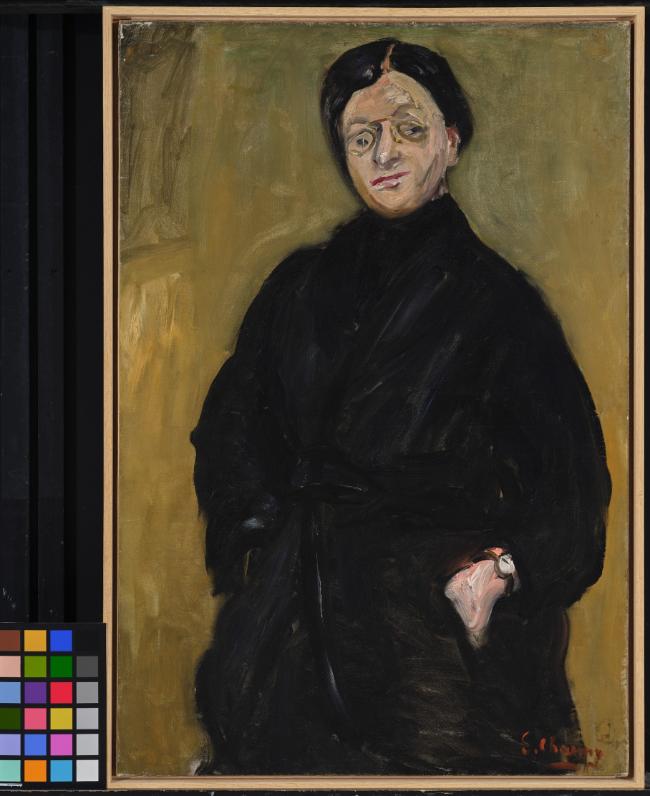
Émilie Charmy (1878-1974), Portrait of Berthe Weill, 1910-1914, oil on canvas, 90 × 61 cm Montréal, Musée des beaux-arts de Montréal, Purchase, Horsley et Annie Townsend Fund, Photo © MBAM / Julie Ciot © Adagp, Paris, 2025
The Paris show also includes many more Suzanne Valadon works than in the Grey Art Museum exhibition last fall due to her enormous respective at Centre Pompidou earlier this year (January 15 – May 26, 2025). In this respect, we see the tremendous support Berthe Weill extended to numerous women artists, most notably Weill’s close friend and favorite Émilie Charmy; Alice Halicka, wife of Cubist Louis Marcoussis; Hermine David, wife of Jules Pascin; and Jacqueline Marval, Jules Flandrin’s partner and close friend of Matisse, Albert Marquet, and Charles Camoin, members of Gustave Moreau’s atelier and some identified as Fauves. They all exhibited at Galerie B. Weill.
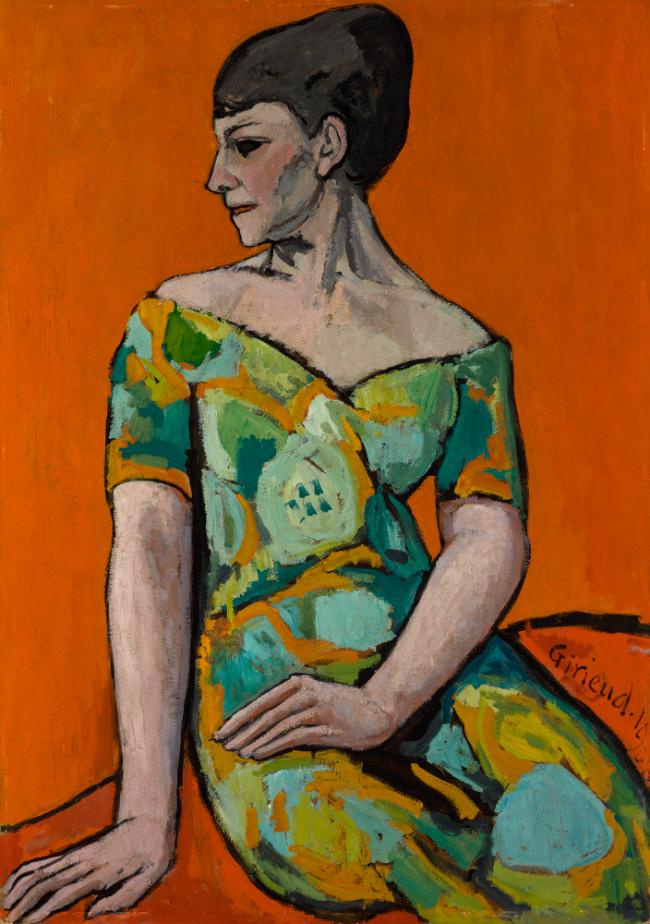
Pierre Girieud (1876-1948) Portrait of the Painter Émilie Charmy, 1908, oil on cardboard, 101,5 × 72 cm Munich, Städtische Galerie im Lenbachhaus, on permanent loan from the Fondation Gabriele Münter et Johannes Eichner, AK 61 Photo © Städtische Galerie im Lenbachhaus und Kunstbau München, Dauerleihgabe der Gabriele Münter- und Johannes Eichner-Stiftung, München
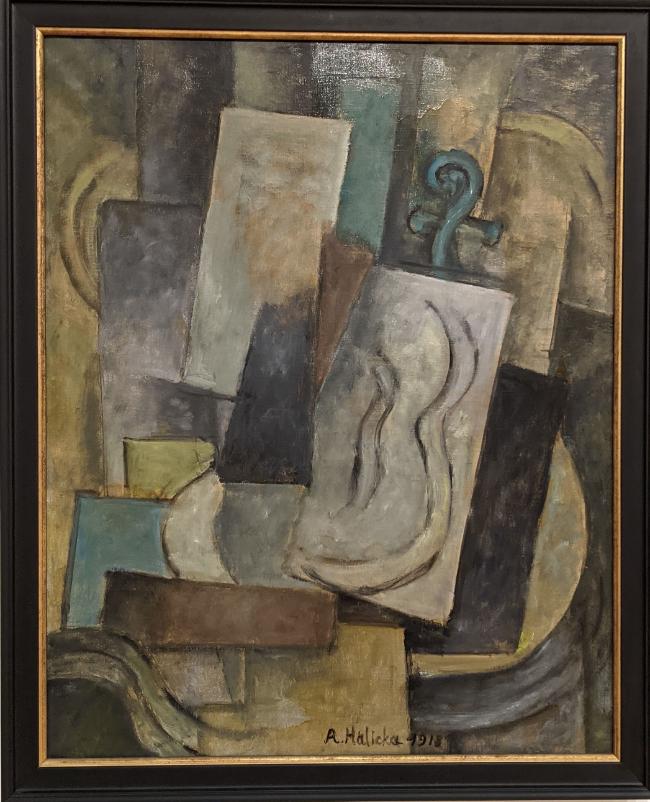
Alice Halicka (1894-1975), Still Life with Violin, 1918, oil on canvas, 92,5 x 73 cm, Bordeaux, Musée des Beaux-Arts, purchased in1972, Mairie de Bordeaux, Musée des Beaux-Arts, © Adagp, Paris, 2025. Photo: Beth Gersh-Nesic
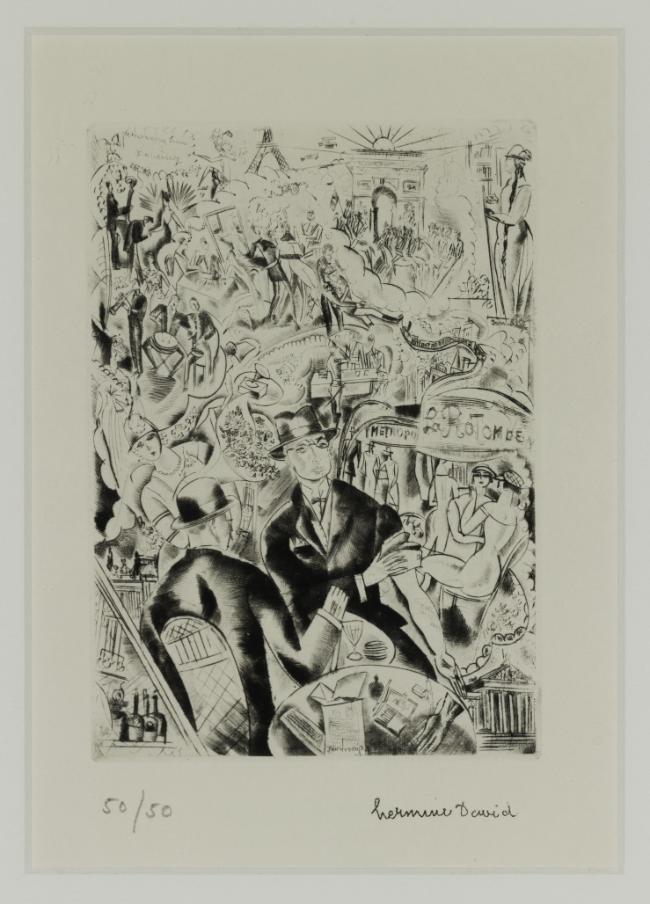
Hermine David, Montparnasse, 1920, drypoint, 6 x 4 inches, Private Collection
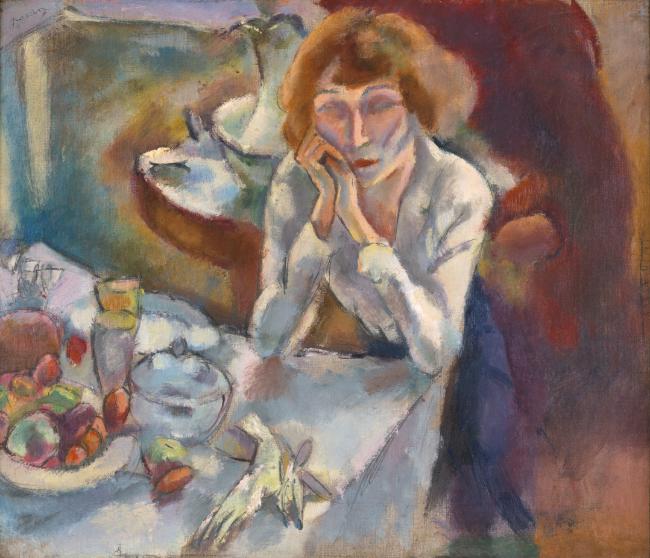
Jules Pascin, Madame Pascin – Hermione David, 1915-16, oil on canvas, 21 x 24 inches, Philadelphia Museum of Art, PA, Samuel S. White 3rd and Vera White Collection
By the end of her career as an art dealer, Berthe Weill exhibited over 300 artists. However, she hadn’t set out to be an art dealer when she apprenticed with her cousin’s husband Salvador Mayer, an antiques and poster dealer, in 1880. Born into a family of extremely modest means in Paris on November 20, 1865, her father Salomon Weill was a ragpicker and her mother Jenny Levy was a dressmaker who gave up working to stay at home with her seven children: Nephtali Marcel (b. 1859), Georges (b. 1860), Théodore Camille (b. 1864), Marcellin Théodore (b. 1864), Esther Berthe (b. 1865), Sarah Adrienne (b. 1868), and Louis Roger (b. 1880). After Mayer died in 1896, his widow Rachel and Berthe’s parents contributed money toward Berthe’s plan to open her own antiques and objets d’art shop at 25 rue Victor-Massé. After she opened her store, her brother Marcellin helped run the business. He stayed until 1900. By then, Berthe Weill had spent 20 years honing her merchandising skills for this side of the art market.
In 1901, the Catalan art agent Pere Mañach entered Weill’s life and convinced her to transform her space into an art gallery for contemporary artists. They renovated the interior and curated an exhibition of works by Spaniard Paco Durrio and Frenchman Aristide Maillol, opening on December 1st and closing on the last day of the year. (Durrio would not exhibition again at Galerie B. Weill until December 15, 1931; Maillol exhibited the following summer June 2 – June 15, 1902).
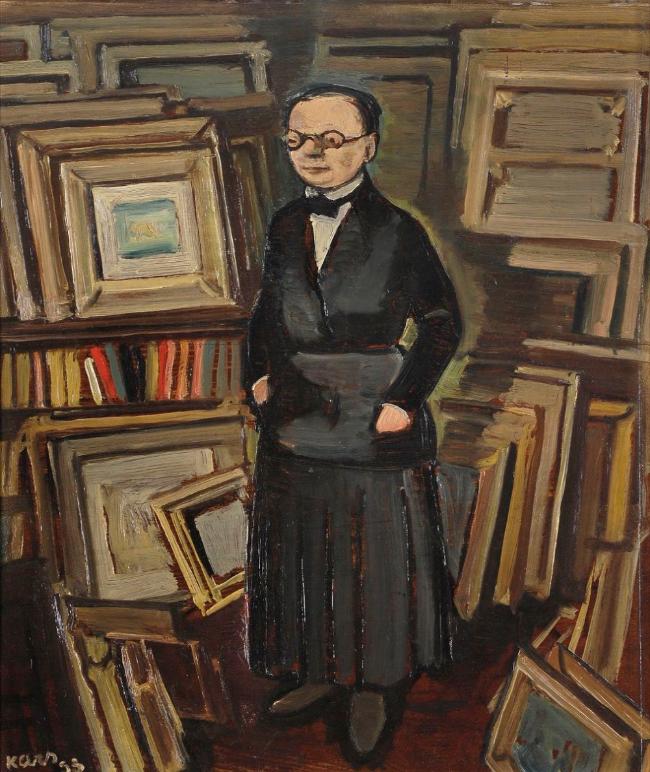
Georges Kars, Berthe Weill, 1933, oil on plywood, Private Collection
As the years became decades, Weill survived through thick and thin in four different locations: 25 rue Victor-Massé until 1917, 50 rue Taitbout (1917 to 1920), 46 rue Laffitte (1920 to 1934), and finally, 27 rue Saint-Dominique (1934-1941). At one point, she rented out a portion of her gallery on rue Taitbout to make ends meet. Regardless of her circumstances, Berthe Weill loved to throw festive parties. Every year, she curated themed exhibitions that marked the holidays and the anniversary of her gallery. To celebrate the 25th anniversary of the gallery in 1926, the theme was “Flowers in the Window.” Jacqueline Marval’s Flower in My Window, featured in the current exhibition, dates from this period.
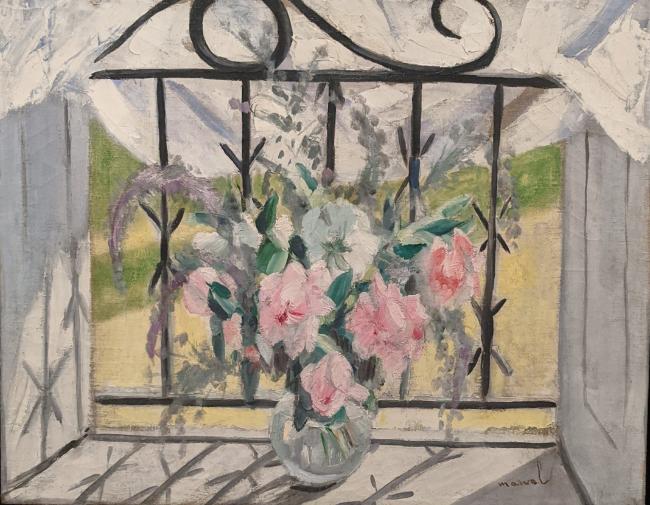
Jacqueline Marval, Flowers at My Window, c. 1924, Private Collection
In addition to an abundance of paintings, drawings, prints, sculptures, and objets d’art, the Musée de l’Orangerie exhibition organized scores of archival material, including brochures, catalogues, books, and photographs in showcases. Berthe Weil published her own “bulletin,” a journal that featured essays by the leading art critics. Huge wall-sized photographs placed around the exhibition capture the spirited artists’ gatherings of this close-knit community, Mère Weill’s “children.”
In her memoirs, she wrote: “Well, my efforts have been crowned with success! All of my ‘children,’ or nearly all, have succeeded! But here’s the thing, I’m now the old mother that people are ashamed of, the one you don’t want to bring out in public. Success has certainly come, but the detractors were the only ones to benefit from it. Was it my role to make money? No, my role was to be left holding the bag.”
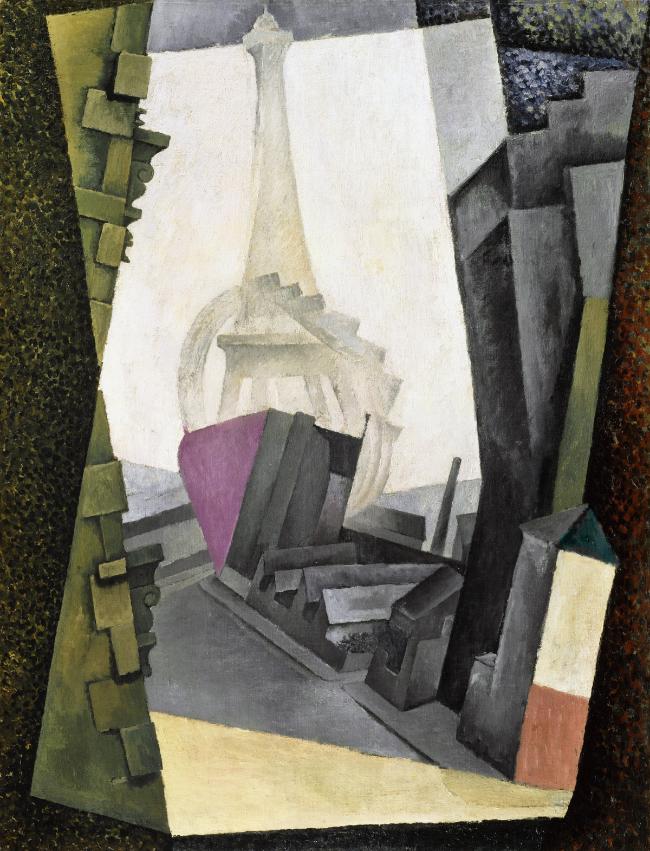
Diego Rivera, Le Tour Eiffel, 1914, Private Collection
These sentiments may sound like sour grapes, but within the context, 1930, it’s a clear-eyed (albeit heartbreaking) assessment of the situation well before she closed her gallery in 1940. Here, for the record, she set down her sense of accomplishment and her disappointment. She launched many artistic careers that went on to earn considerable amounts for their subsequent dealers. Unfortunately, she ended up with little money to show for it.
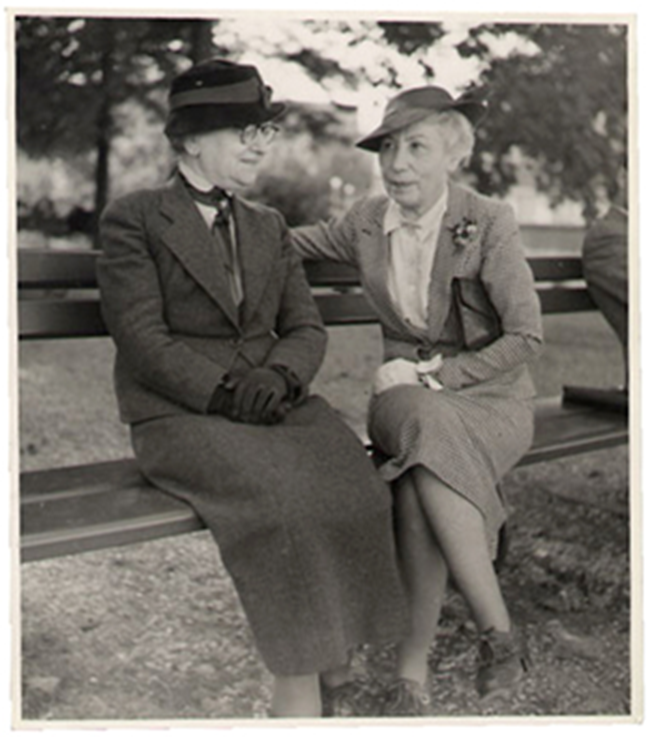
Berthe Weill, photograph with Lucy Bollag on a bench, no date
When the Germans invaded Paris on September 1, 1939, Galerie B. Weill began to hit rock bottom. And then came the Nazi occupation on June 14, 1940. The last documented exhibition took place from May 20 through June 2, 1940. On October 20th, the Nazis imposed a law that forbad Jews owning and/or running a business. On January 7, 1941, Berthe Weill fell and broke her hip. She was hospitalized at Augustines de Meux clinic in Paris and transferred to a nursing home at L’Isle-Adam. For most of the Occupation, Weill stayed out of sight. At one point, she may have lived in Émilie Charmy’s studio on rue Bourgogne, 7th arrondissement.
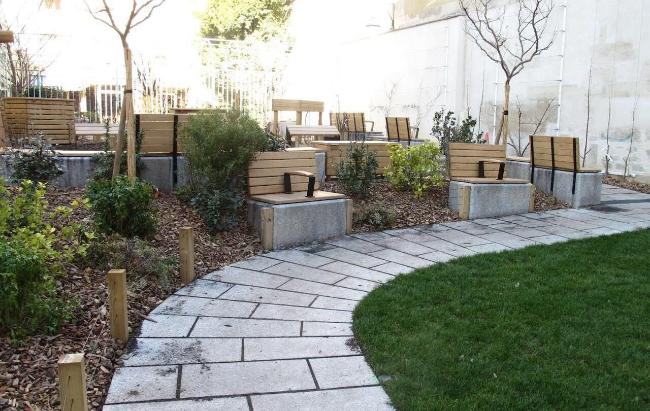
Berthe Weill Garden, Musée Picasso, rue Thorigny
On December 12, 1946, the Société des Amateurs d’Art and des Collectionneurs held an auction to raise money to support Berthe Weill. They earned 4 million francs from the sale, which is about € 610,000 or $655,000 today. On March 20, 1948, she became a Chevelier of the Légion d’Honneur, at the suggestion of French art historian and critic Robert Rey, and celebrated with friends at the artists’ favorite hang-out La Closerie des Lilas in Montparnasse. On April 17, 1951, Berthe Weill died at home on the rue Saint-Dominique. She was 85 years old. Ignoring Jewish law and observance, she chose cremation (or it was decided for her). Her funeral was held at Père Lachaise.
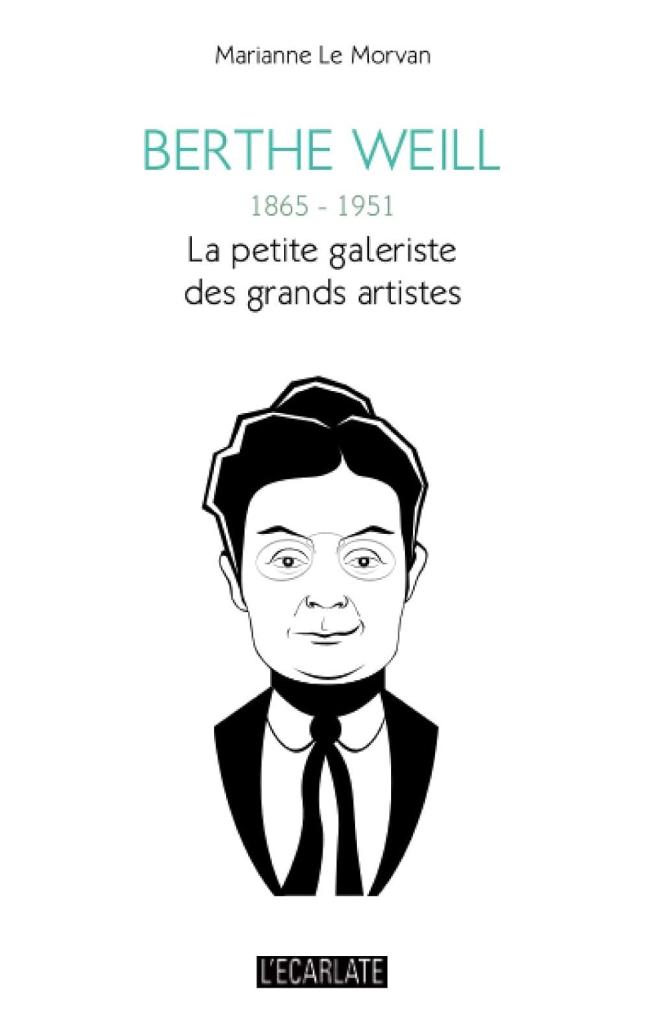
For more information about Berthe Weill and the current exhibition at the Musée de l’Orangerie, closing on January 26, 2026, you can purchase the exhibition catalogue in French and in English (two different editions) at the museum or online. New Yorkers can purchase the catalogue in English at the Grey Art Museum, 18 Cooper Square, New York, NY 10003. Additionally, Pan! Dans l’Oeil and Pow! Right in the Eye! are available in museums, bookshops, and online. For readers of French, I highly recommend Marianne Le Morvan’s excellent book Berthe Weill (1865-1951): La petite galeriste des grands artistes (Éditions L’Écarlate, Librarie L’Harnattan, 2011), available in museum bookstores in Paris and online. Hopefully, these books, catalogues, and exhibitions about Mère Weill and her “children” will inspire a new generation of scholars to carry the torch kindled by Marianne Le Morvan, Julie Saul, and Lynn Gumpert.

Marc Louis René Vaux (1895−1971), Masquerade Ball for the 30th Anniversary of Galerie B. Weill, December 13, 1931 (Berthe Weill is sitting in the center in a tuxedo), photography, 15,8 × 20,5 cm, Collection Marianne Le Morvan – Archives Berthe Weill (a gift from Antoinette Karlinsky), © photo: Musée d’Orsay /Allison Bellido /© Centre Pompidou – MNAM /CCI – Bibliothèque Kandinsky
The exhibition was curated by Anne Grace, Curator of Modern Art at the Montreal Museum of Fine Arts; Marianne Le Morvan, guest curator and founder of the Berthe Weill Archives; Lynn Gumpert, Director of the Grey Art Museum, New York University (1997 to 2025); and Sophie Eloy, Attaché to the Collection at the Musée de l’Orangerie, Paris. Kudos to these fearless women, the museum administrators (most notably Michèle Wong, former Deputy Director and now Interim Director of the Grey), and staff who spent countless hours on this remarkable exhibition and all the attendant details. They worked tirelessly and tenaciously to encapsulate Berthe Weill’s exceptional eye and catholic taste. I am sure Berthe Weill is looking down from heaven, verklempt (overcome with joy).
Links to conversations with the curators and tours in English at the Musée de l’Orangerie:
My conversation with former director of the Grey Art Gallery, Lynn Gumpert, PhD, hosted by the Fédération des Alliances Françaises USA. In English with powerpoint
Marianne Le Morvan et Anne Grace at the MMFA. In French
Lynn Gumpert and Sophie Eloy at the American Library in Paris. In English
Tours at the Musée de l’Orangerie. In English
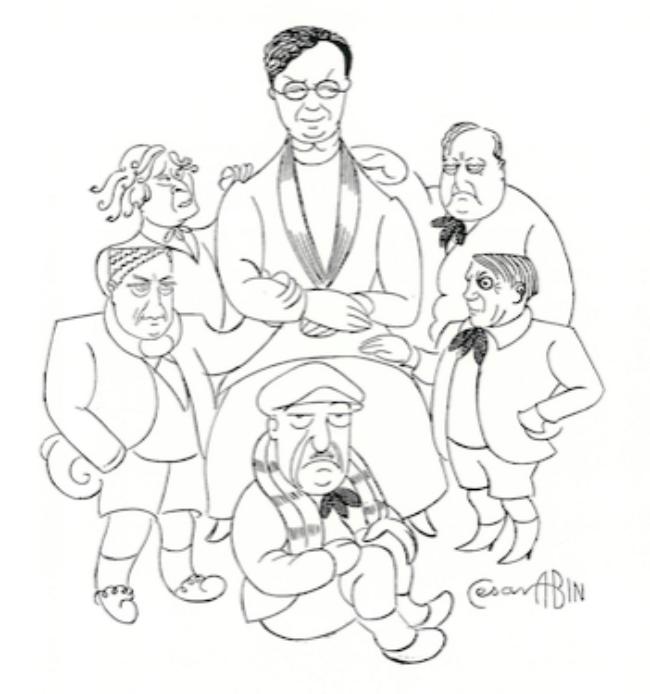
Lead photo credit : César Albin, A Caricature of “Mère Weill,” surrounded by Chagall, Vlaminck, Picasso, Léger, Braque , 1932
More in Berthe Weill, Modigliani, Musée de l’Orangerie, picasso
Related Articles



REPLY