From ‘Flea Bite’ to Picpus: A Neighborhood Walk in the 12th
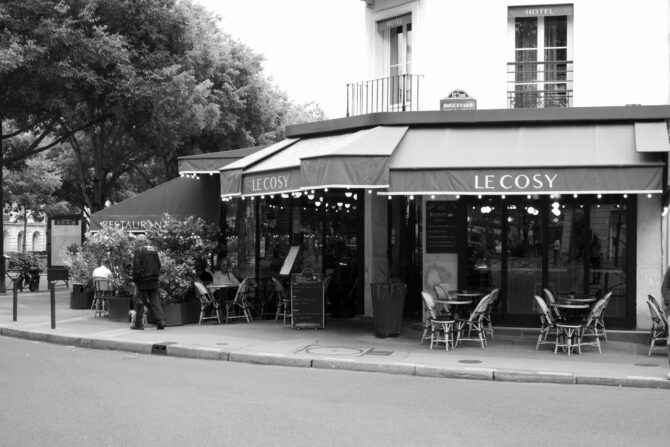
The Paris Vignettes series features the inspired work of street photographer William “Bill” O’Such in themed installments
As you know, my favorite way to discover Paris is through the eyes of a local. I’ve been doing “Greeter” walks for years, and they never disappoint. The Greeters are almost always retired Parisians who simply love their neighborhood, and their enthusiasm is contagious.
This particular balade started with a meeting at the Picpus metro station, on line 6. My ex-neighbor joined me and we met Christian, our Greeter, who started our tour with the story of the neighborhood’s name. It comes from an old legend about a monk who treated an unbearable skin rash with an ointment that was, in reality, nothing more than a flea remedy. The name started as “Pique-Puce,” or “flea bite,” and naturally morphed into the hamlet’s current name, Picpus.
Our walk began in the Bel-Air district, a charming area with beautiful homes, some with the very first “bow-windows.” They were initially made of metal, as the builders weren’t sure how stable they’d be, but they were quite elegant, even in their early, clunky form. As we wandered through the quiet, tree-lined streets, we stumbled upon the hidden Jardin Solange Faladé, a tiny urban oasis, and the little street, via Bel-Air. It was there that I spotted a cute dog, all alone, sniffing around with an air of complete purpose.
Soon, we stepped onto the Coulée Verte, which is an absolute must-do for anyone visiting Paris. It’s an old elevated train line that’s been converted into a walking path, a perfect way to be in the countryside just steps from the bustling city. Designed with hidden gardens, the path wanders past artful benches and over city streets, offering a unique perspective of the city. Along the way, we came across the police station for the 12th arrondissement. Its façade is adorned with a dozen Art Deco sculptures, reproductions of Michelangelo’s “The Dying Slave,” a surreal and striking sight.
As we continued our walk, we descended from the path and passed a building with a beehive sculpture on its façade, a little artistic surprise. We then passed the Eglise Saint-Antoine des Quinze-Vingts and the eye hospital of a similar name. We ended our balade spotting an artful reflection on the façade of a building before heading our separate ways, all of us a little richer for the experience.
There are many interesting sites along the walk and it was hard to triage it down to a few photos so please check out my website for more scenic photos from my summer 2025 trip.
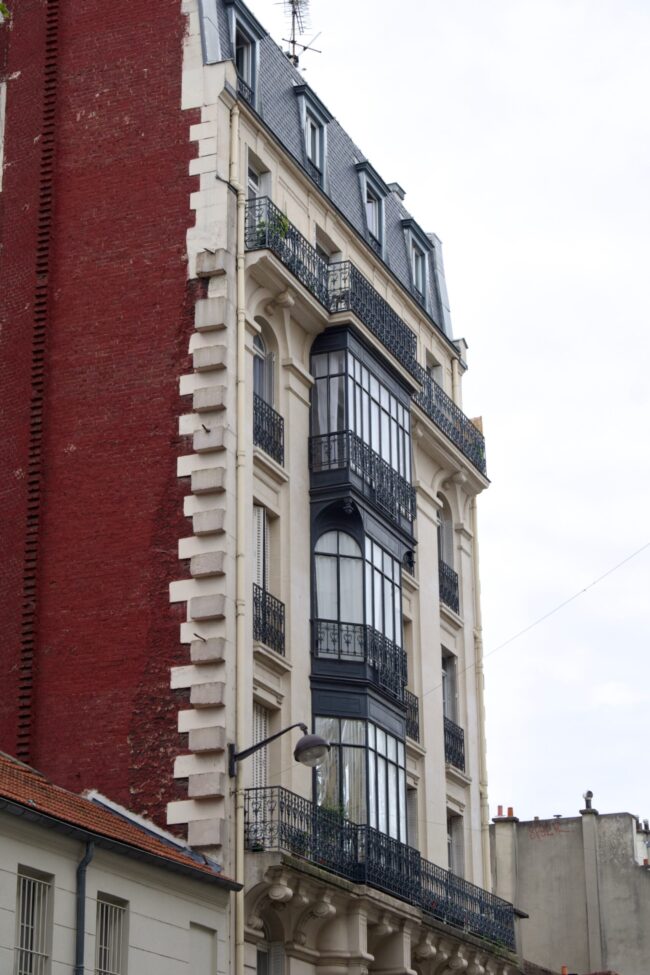
Picpus – 2. Photo: Bill O’Such
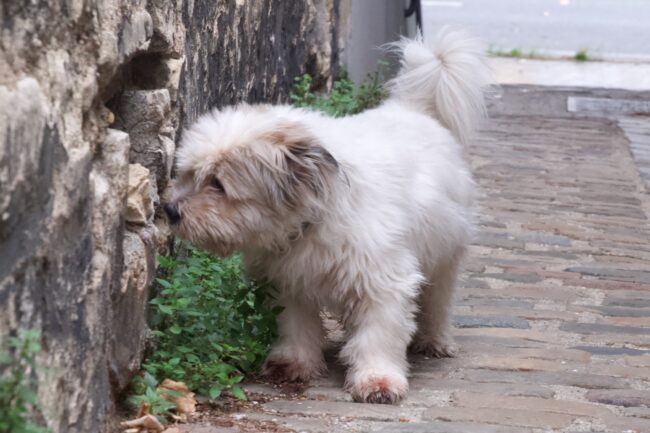
Picpus – 3. Photo: Bill O’Such
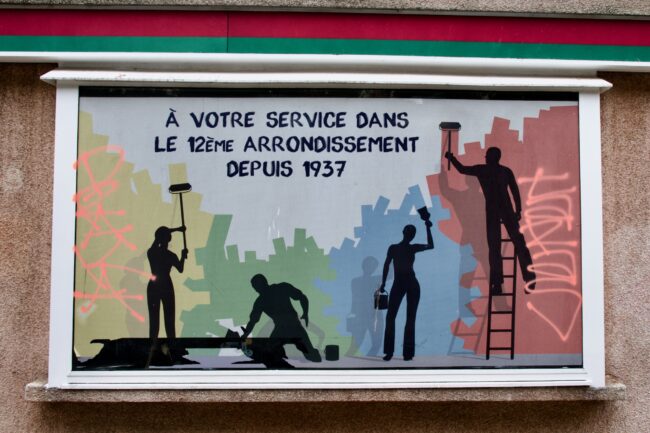
Picpus – 4. Photo: Bill O’Such
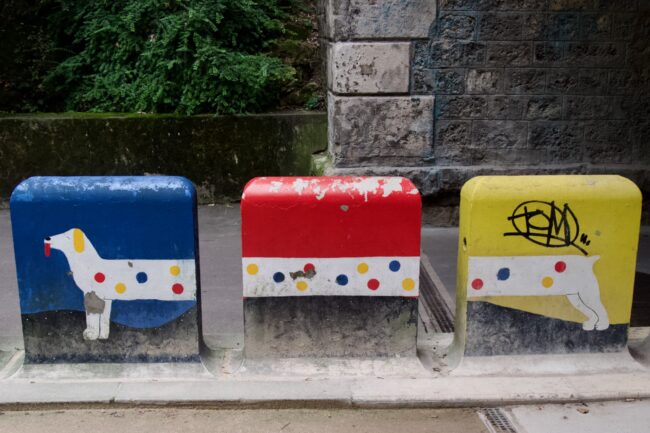
Picpus – 5. Photo: Bill O’Such
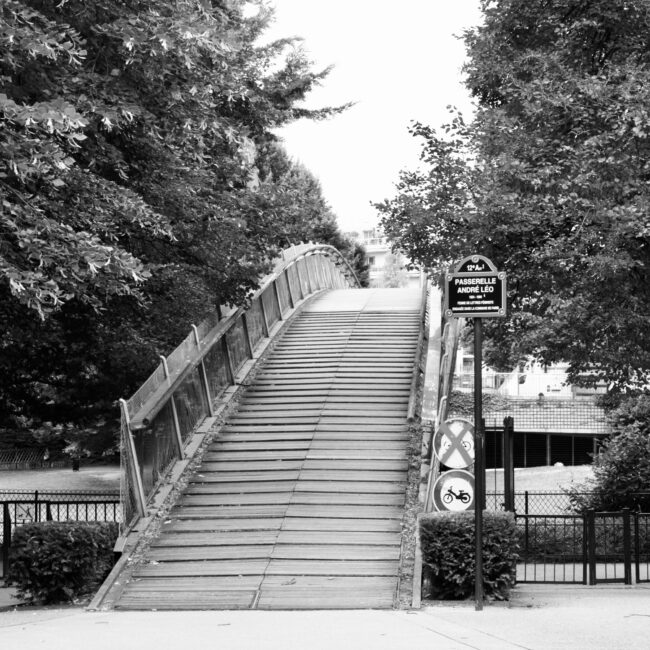
Picpus – 6. Photo: Bill O’Such
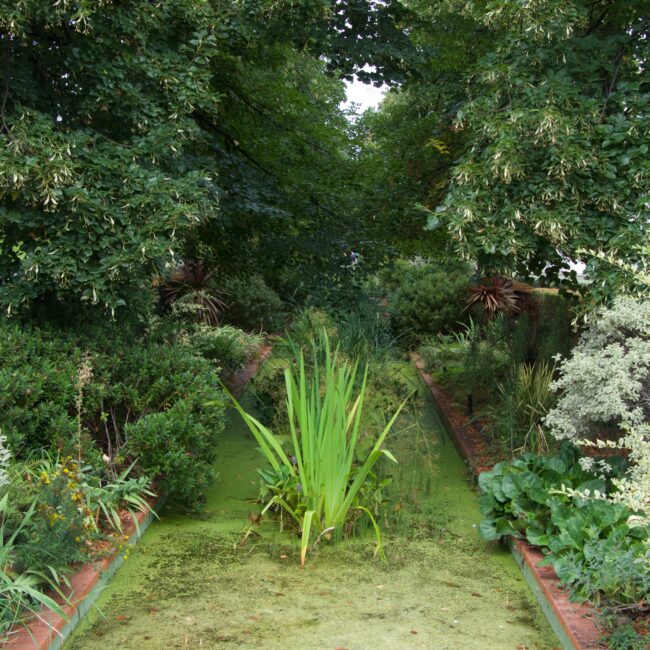
Picpus – 7. Photo: Bill O’Such
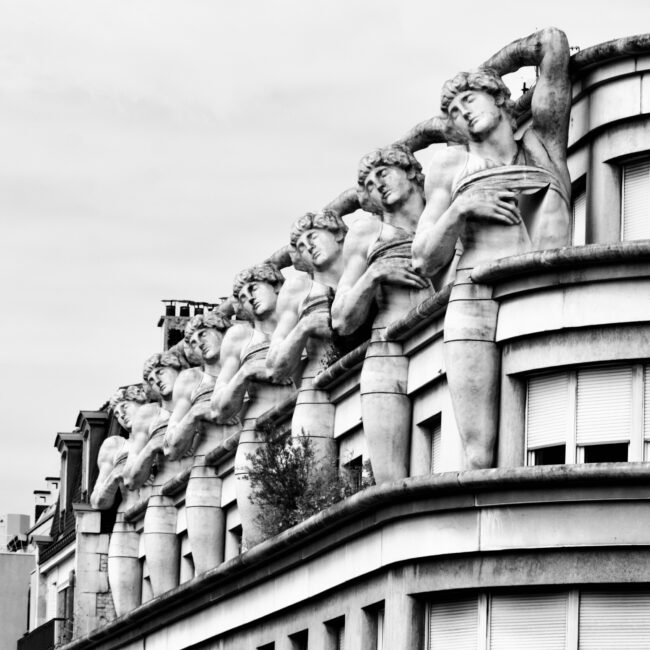
Picpus – 8. Photo: Bill O’Such
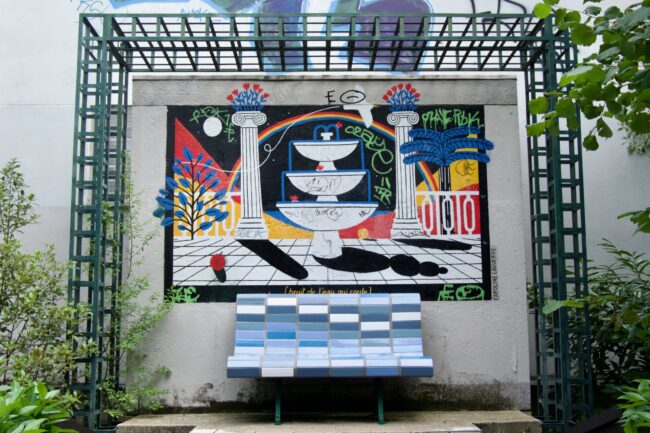
Picpus – 9. Photo: Bill O’Such
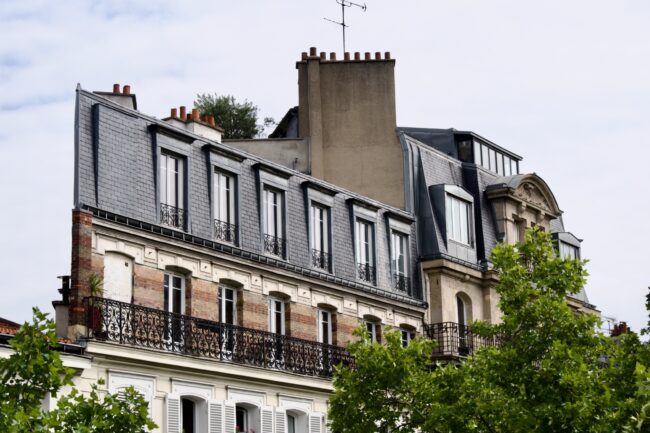
Picpus – 10. Photo: Bill O’Such
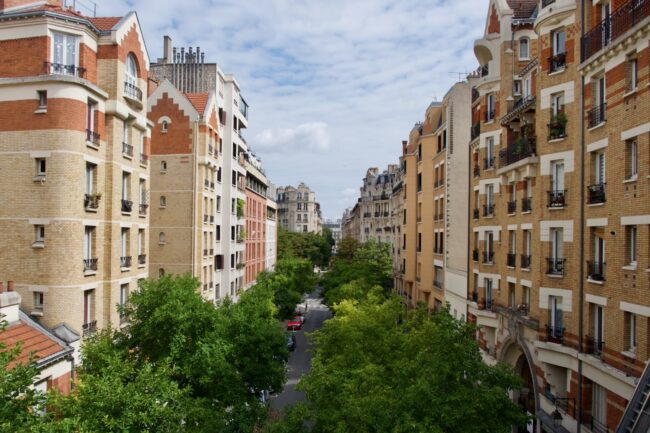
Picpus – 11. Photo: Bill O’Such
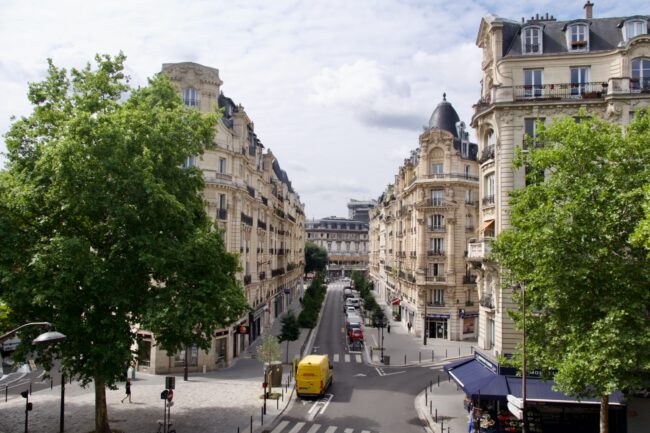
Picpus – 12. Photo: Bill O’Such
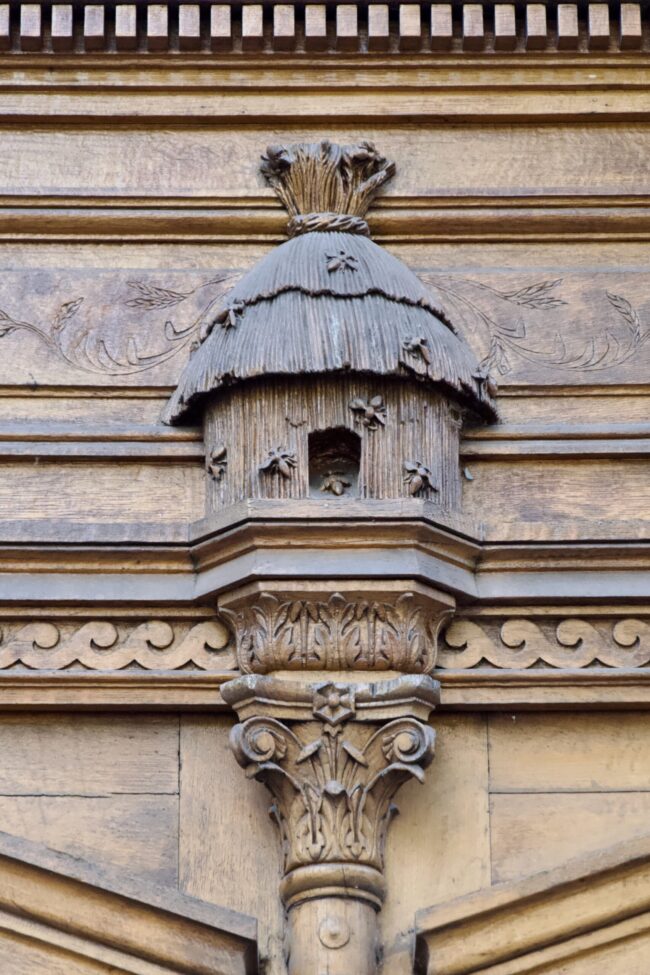
Picpus – 13. Photo: Bill O’Such
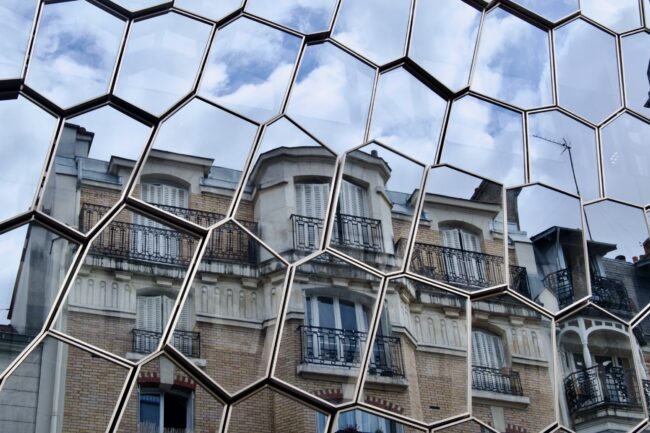
Picpus – 14. Photo: Bill O’Such
Lead photo credit : Picpus - 1. Photo: Bill O'Such
More in Paris Greeters, Paris Vignettes, Picpus
Related Articles