A Journey Through Art, History, and Hidden Gardens At Montmatre Museum
Sponsored Content
- SUBSCRIBE
- ALREADY SUBSCRIBED?
BECOME A BONJOUR PARIS MEMBER
Gain full access to our collection of over 5,000 articles and bring the City of Light into your life. Just 80 USD per year.
Find out why you should become a member here.
Sign in
Fill in your credentials below.
Since 1886, the Société d’Histoire et d’Archéologie Le Vieux Montmartre has been preserving the artistic heart of Montmartre, and today the Montmartre Museum’s permanent collections boast over 6,000 works alongside an extensive archive that tells the story of the neighborhood’s vibrant cultural life. Featuring masterpieces by artists like Toulouse-Lautrec, Suzanne Valadon, and Maurice Utrillo, the museum takes visitors on a journey through Montmartre’s studios, cabarets, and lively streets, bringing the spirit of the Butte to life.
In 1912, Suzanne Valadon, Maurice Utrillo, and André Utter moved into the studio-apartment at 12 rue Cortot, leaving a lasting mark on the area. Today, thanks to careful restoration, visitors can step back in time: the original stove is back in place, the studio mezzanine has been faithfully recreated, and Utrillo’s bedroom shines with its original wood paneling and window grille.
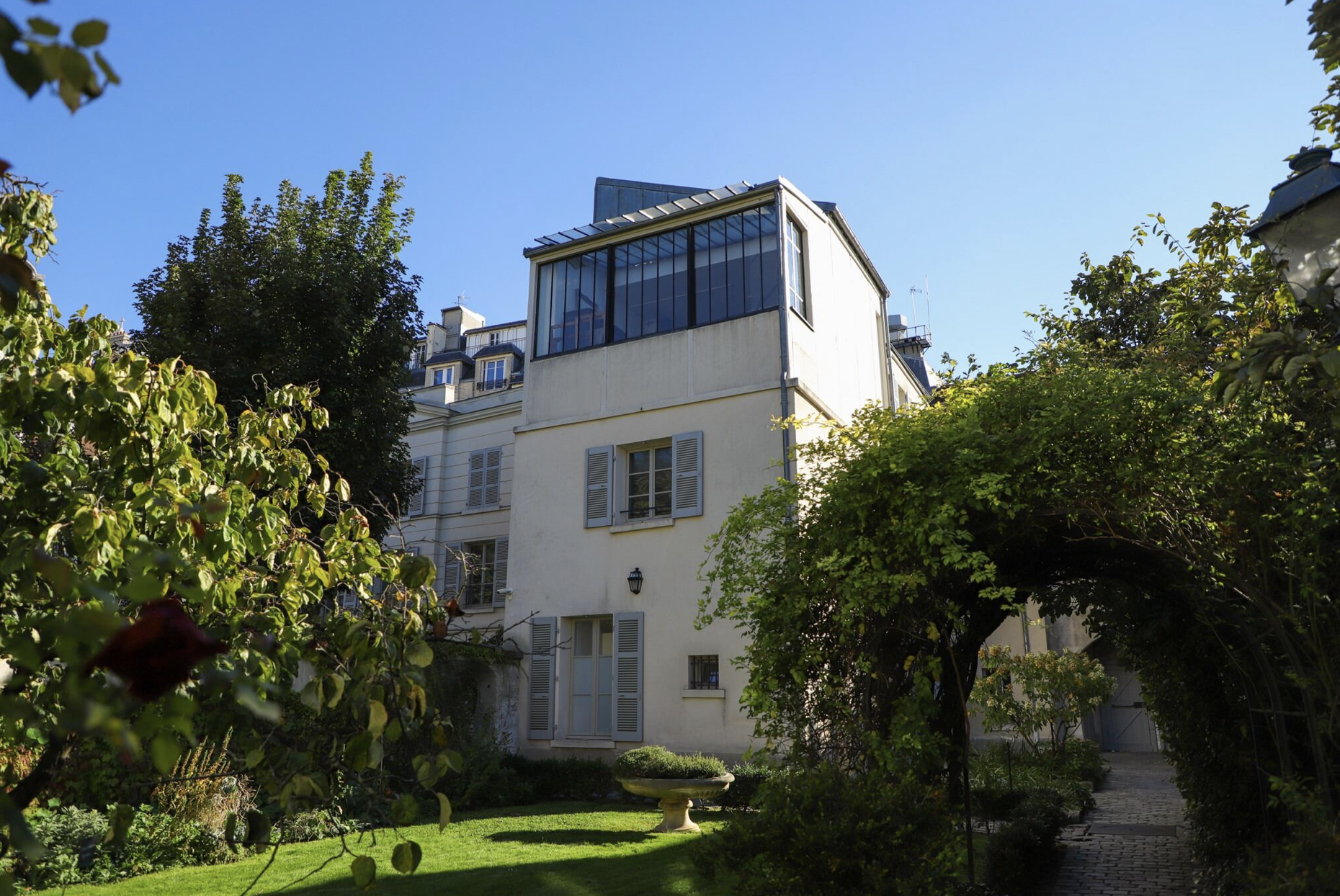
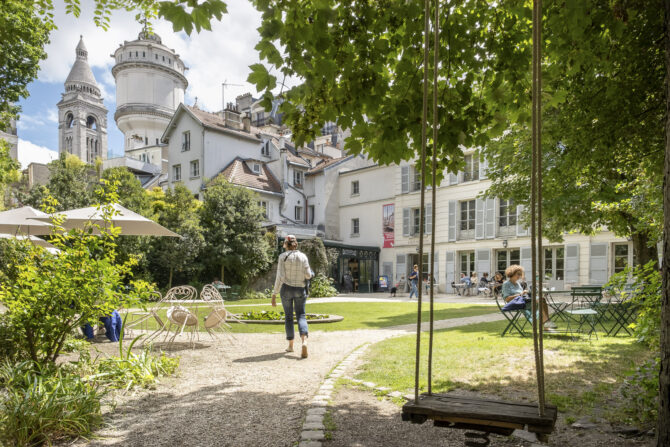
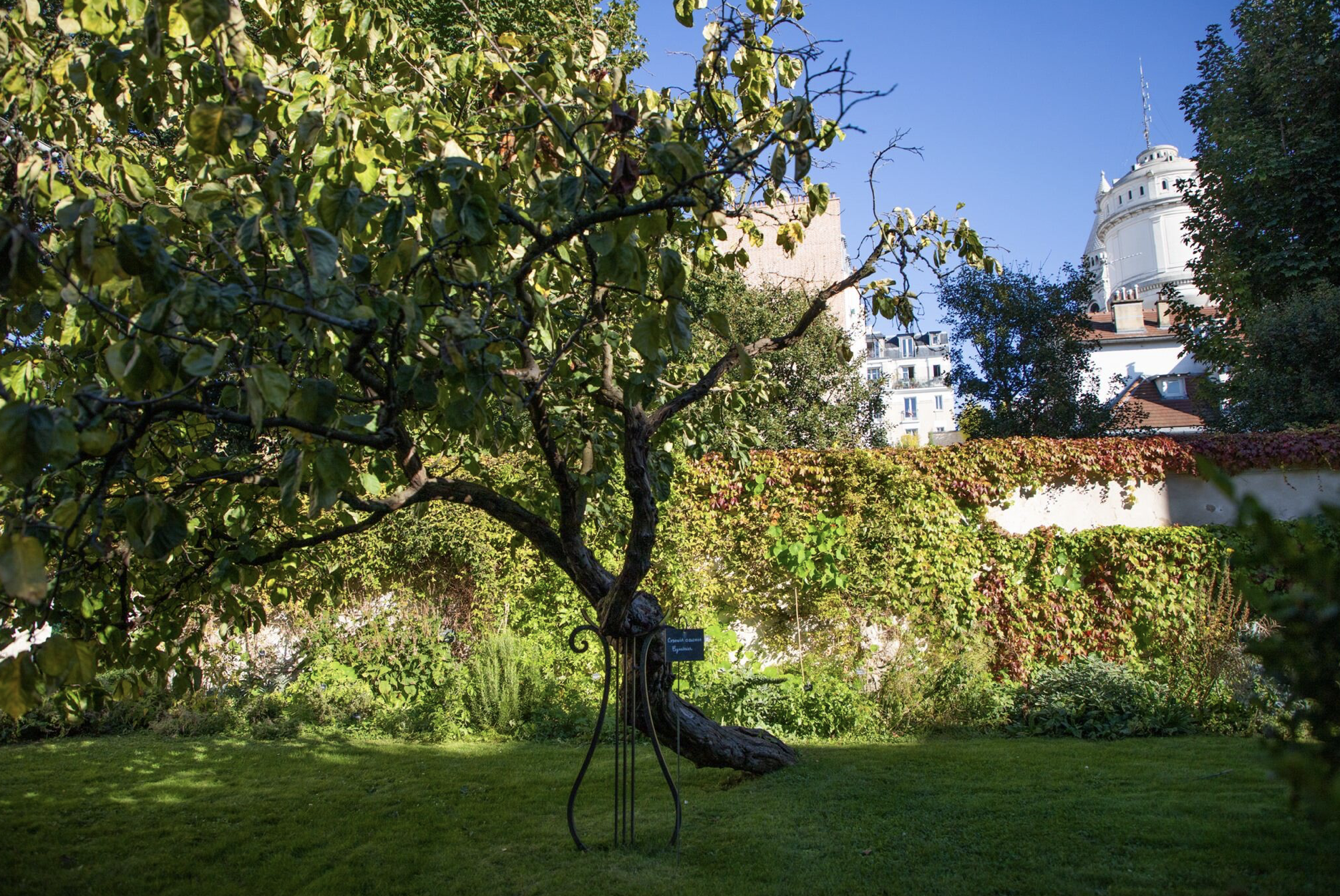
The museum’s gardens, named after Pierre-Auguste Renoir, who had his studio there in 1875–1876, are a peaceful escape in the heart of Montmartre. Renoir painted iconic works like Bal du Moulin de la Galette, La Balançoire, and Le Jardin de la rue Cortot in these gardens, which Suzanne Valadon and André Utter also captured in their art. Each of the three gardens has its own unique character, inspired by Renoir’s palette, offering visitors a tranquil, countryside-like oasis amidst the city.
Jules Chéret (1836-1932), Bal au Moulin Rouge, Place Blanche, 1889, Musée de Montmartre, collection Le Vieux Montmartre. © Stéphane Pons
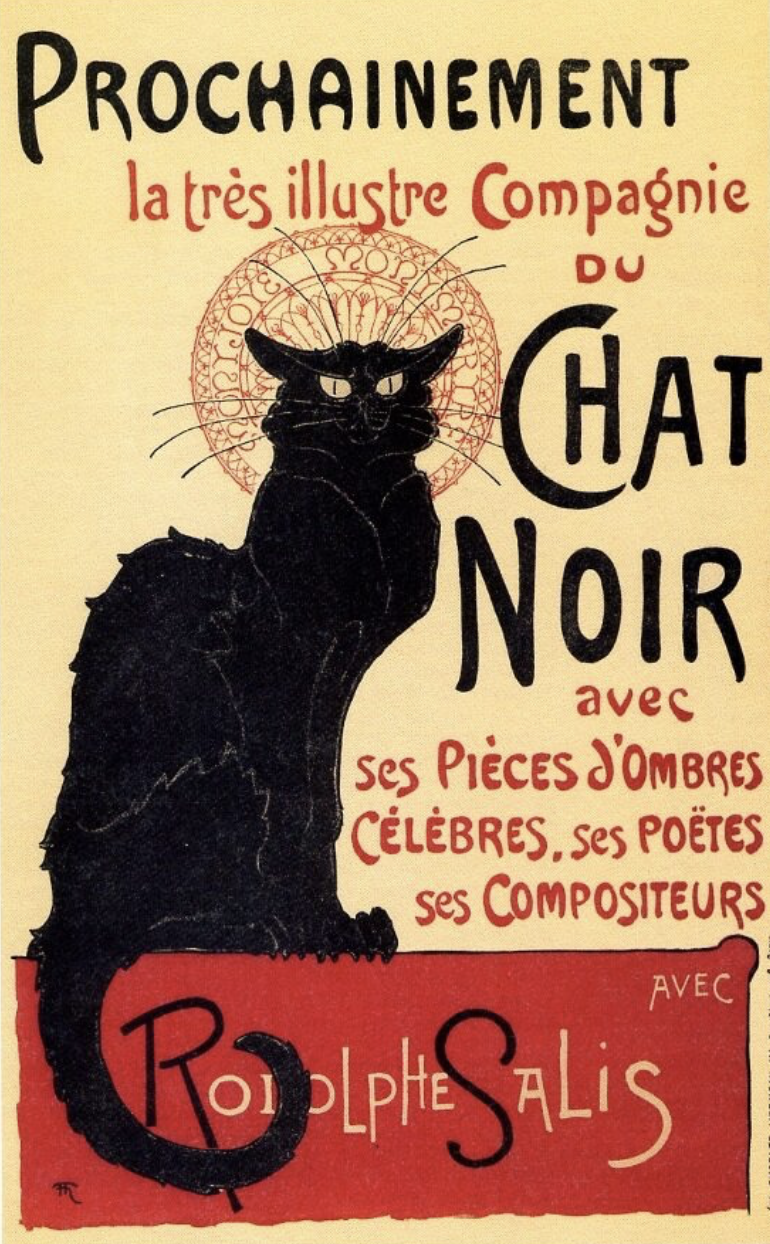
Montmartre’s creative energy doesn’t stop at the museum. Founded in 1881 by Rodolphe Salis, the Cabaret du Chat Noir became a hub for free artistic expression, where painters, poets, and musicians gathered outside the constraints of academic art. In 1886, Henri Rivière and Henri Somm created the famous shadow theatre here, a full sensory spectacle blending music, light, and moving images that foreshadowed modern cinema.
The Montmartre Museum brings this lively artistic history to life, showcasing original zinc panels from the shadow theatre alongside major paintings once displayed at the Chat Noir cabaret. After exploring, Café Renoir is the perfect spot to relax. Whether alone, as a couple, or with friends, visitors can enjoy a coffee, light lunch, or afternoon snack on its glass-roofed terrace overlooking the lush Renoir Gardens. The café, styled like a winter garden, serves seasonal light meals and gourmet treats, offering a serene escape where time seems to slow down.
Lead photo credit : © Clément Dorval - Ville de Paris
More in Montmatre Museum, Museums in Paris, Paris museums
Related Articles