Two Americans in Paris: John Singer Sargent and Madame X
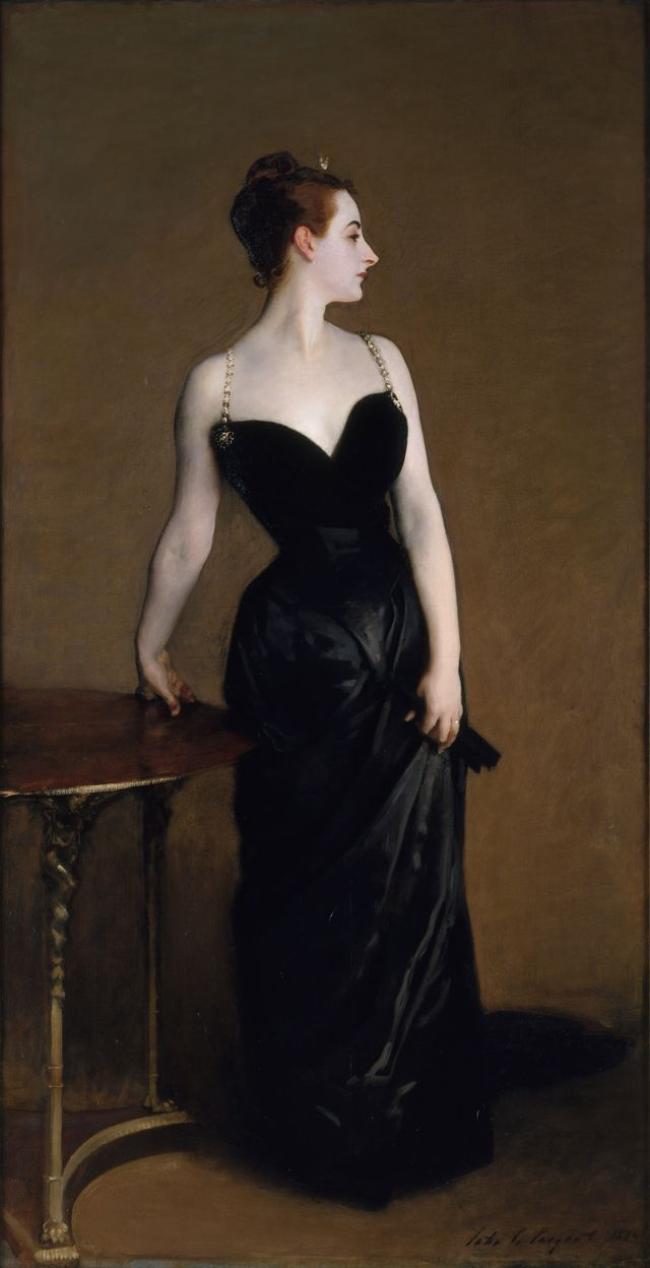
Have you heard about the scandalous Madame X, a portrait of the glamorous socialite Virginie Amélie Avegno Gautreau, painted by the brilliant fellow ex-pat American John Singer Sargent? No??? Well! This notorious masterpiece, which belongs to the Metropolitan Museum of Art in New York, currently stars in the Musée d’Orsay’s exhibition John Singer Sargent: Éblouir Paris (Dazzling Paris), on view from September 23, 2025 to January 11, 2026. It’s a magnificent show featuring 90 works that accompanied Sargent’s career in Paris, from his student days to the ill-fated debut of Madame X (originally titled Madame ***) at the annual Paris Salon in 1884 to his triumphal return to Paris with La Carmencita, purchased by the Musée du Luxembourg in 1892.
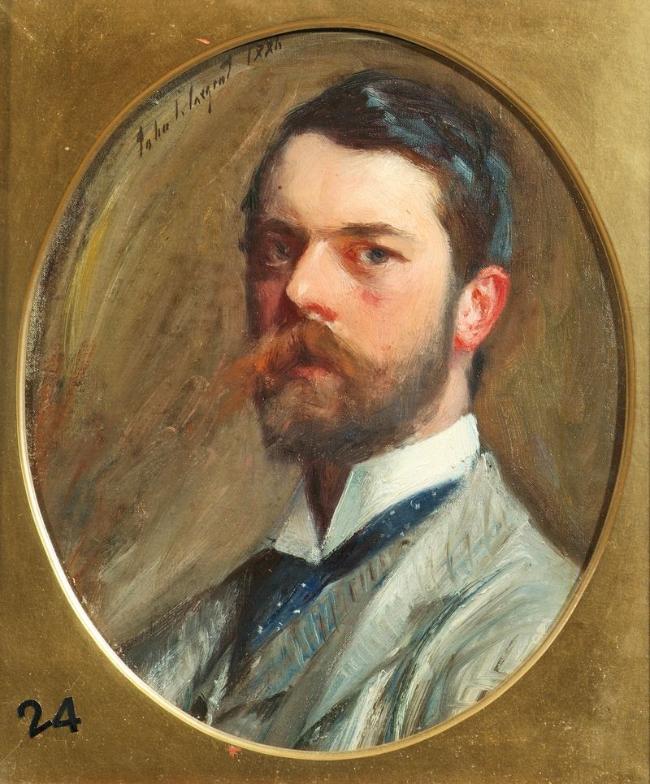
John Singer Sargent, Self-Portrait, 1886, Aberdeen City Council (Aberdeen Archives, Gallery & Museums) (ABDAG003876)
Here’s the story …
It all began in Florence, Italy, where John Singer Sargent was born on January 12, 1856. His parents, Mary Newbold Singer and Fitzwilliam Sargent, a Philadelphia eye surgeon, were living in Europe following the tragic death of their first child, Mary Newbold (May 1851-July 1853). It was supposed to be a “brief” sojourn to help Mrs. Sargent recover from her grief. A few weeks turned into a lifetime. The couple never returned to the US for longer than a visit and never stayed in one home for longer than a season (by the sea in France, Spain, and Italy during the winter; in the mountains in Germany, Austria or Switzerland during the summer). John Singer Sargent’s first visit to the US, to meet his parents’ families, occurred in May 1876, when he was 20 years old.
The Sargents’ second daughter Emily Sargent (1857-1936) was born in Florence. The next two Sargent children, Mary Winthop and Fitzwilliam Winthrop, lived very short lives. Their fifth child, Violet (1870-1955), married Louis Francis Ormond, and thanks to their grandson, Richard Ormond, a catalogue raisonné of Sargent’s prolific oeuvre (over 900 oil paintings, over 2000 watercolors, and thousands of sketches) exists today. Moreover, Richard Ormond and Elaine Kilmurray’s catalogue essay “American by Birth, Parisian by Brush,” provides the foundation for the exhibition’s presence in Paris today. It persuasively argues for the genuine recognition of John Singer Sargent as a French artist by virtue of his training and cultural sensibilities.
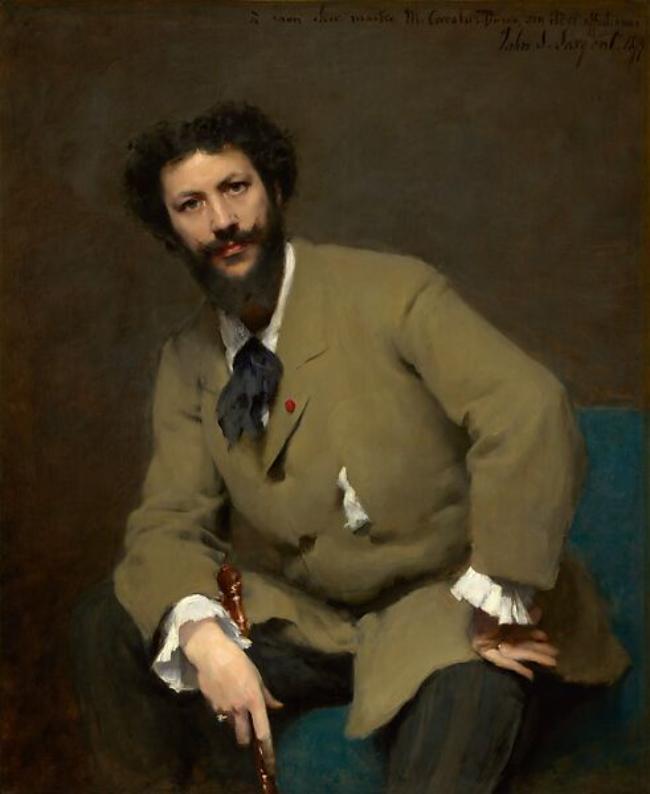
John Singer Sargent, Portrait of Carolus-Duran, 1879, Clark Art Institute, Williamstown, MA
The authors explain that “much of his artistic and cultural experience was seen through a French prism.” Sargent spent his childhood staying for long periods in Nice, Biarritz, and Pau, facilitating an acquisition of an impeccable spoken and written French (according to his friend Vernon Lee). From October to December 1873, he studied at the Accademia di Belle Arti in Florence. Then he applied to the École des Beaux-Arts in Paris and was accepted. His decision to study with the charismatic society portraitist Carolus-Duran (Charles-Auguste-Émile Durand, 1837-1917) and the consummate academic painter Léon Bonnat (1833-1922) gave him the opportunity to hone his social graces among the crème de la crème of Parisian society, thus cultivating a genteel French discernment throughout his life. Today, the Musée d’Orsay’s retrospective glance celebrates the return of an adoptive son, who envisioned Paris as his home from the day he arrived for his art education in May 1874. Due to the disastrous Paris Salon debut of Madame X on May 1, 1884, his Paris idyll came to an end. In December 1886, he established his home and studio in London, relinquishing his plans to live out his life in the city he truly loved.
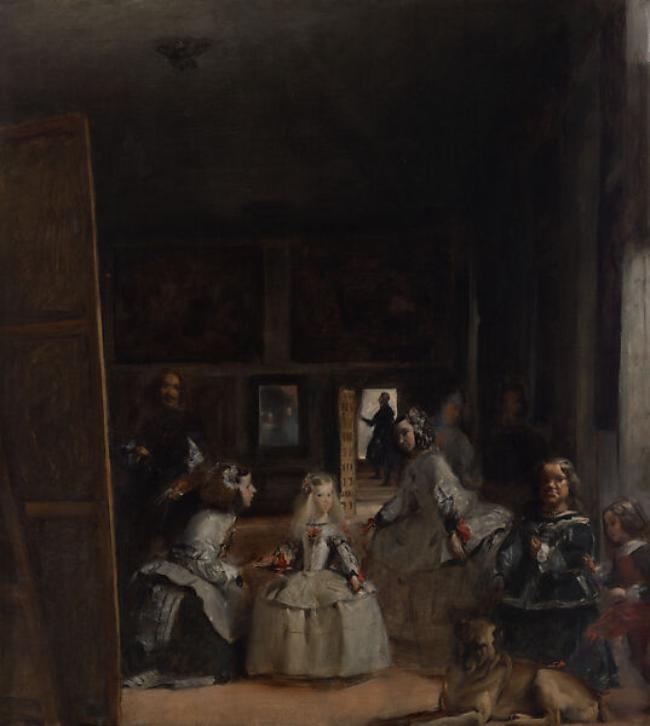
John Singer Sargent, a copy of Diego Velásquez’s Las Meninas, 1879, Lucas Museum of Narrative Art, Los Angeles, 2019.21.1
The current exhibition at the Musée d’Orsay outlines Sargent’s student years, 1874-1877, with a series of paintings, watercolors, and drawings (including a sketchbook) that testify to his extraordinary gifts as a draftsman. Thanks to the influence of Carolus-Duran, who favored the painterly brushstrokes of 17th-century artists Diego Velásquez and Frans Hals, Sargent’s developed a quick, masterly stroke that infused his painting with an intensely human life-force. We feel the presence of his sitters and genre subjects. Copies of these Spanish and Dutch masters allow us to study to his feeling for their Baroque bravura and vitality.
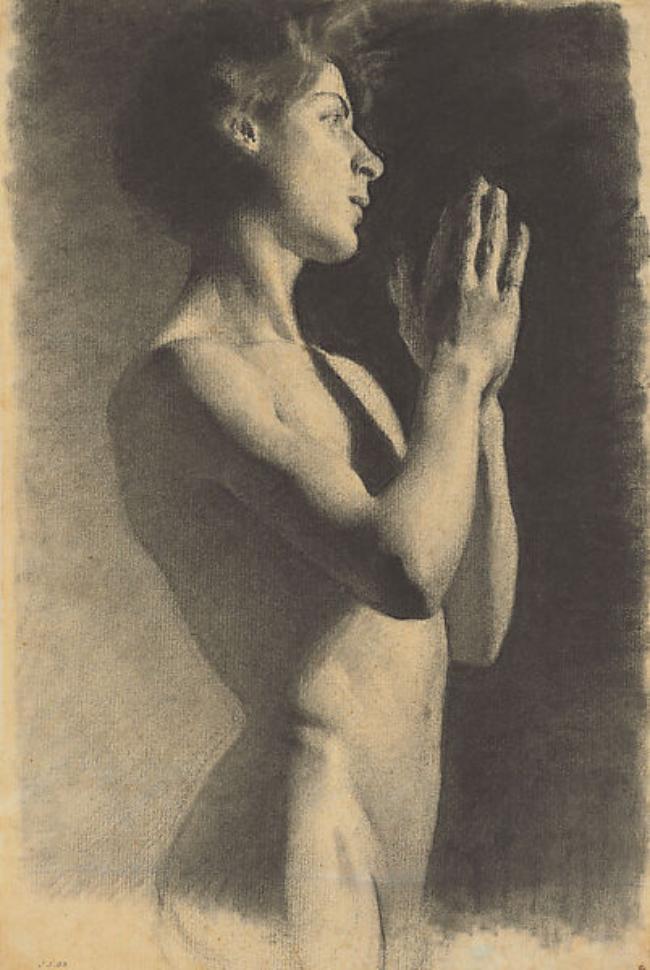
John Singer Sargent, Light and Shade, c. 1874-77, The Ömer Koç Collection
Sargent also seized upon unusual perspectives of conventional poses. Light and Shade (c. 1874-77), a female nude, captures the delicacy of her features and the lithe portions of her body twisting away from the viewer, who is positioned toward her right side. She holds her hands together at chest level, eyes gazing forward, ethereally, as if she were in deep contemplation or prayer. Although nude, she seems to be a study for a saint or parishioner who might appear fully clothed in a future religious painting. (The academic tradition of rendering a nude study to prepare for clothed figures in a masterpiece is fully in evidence in the current David retrospective in the Musée du Louvre.)
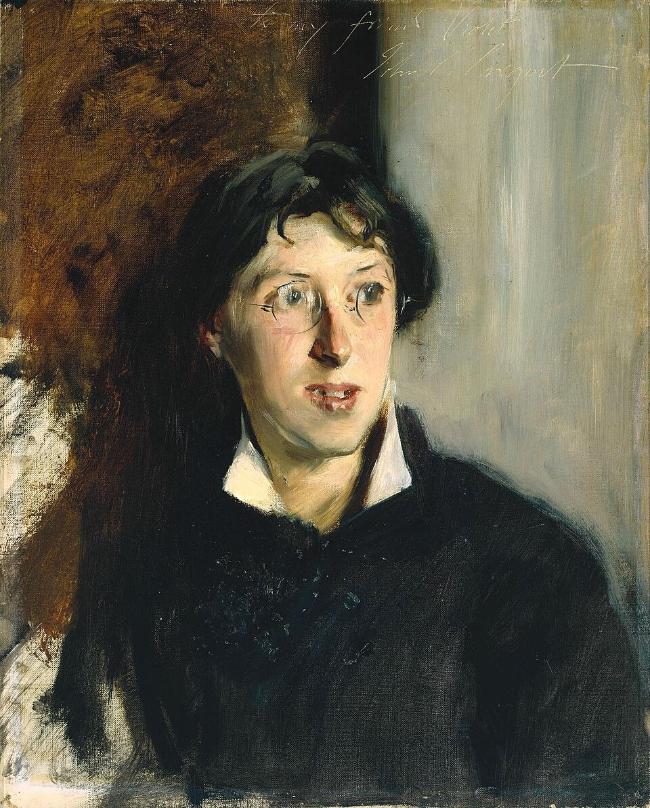
John Singer Sargent, Portrait of Vernon Lee, 1881, Tate: Bequeathed by Miss Vernon Lee through Miss Cooper Willis 1935 (N04787)
The early drawings from Sargent’s Parisian years owe much to his brief Florentine education. But the real influence was his mother, Mary Singer Sargent, who tutored her children at home. She homeschooled John and Emily in the arts and literature. Their father taught them math, sciences, and history. Sargent rarely attended classes outside the home. When John was 10 and Emily was eight, they welcomed their family friend Violet Paget, better known by the pen-name Vernon Lee, into the fold. Every day the three youngsters accompanied Mrs. Sargent to a museum, historic site, or natural landscape, whereupon they had to produce a drawing of what they saw. She would do the same. Vernon Lee’s descriptions of John Singer Sargent serve as an invaluable source for his early life and habits. She admired his patient and meticulous approach to drawing what he saw and then painting his drawing. Vernon, on the other hand, dedicated herself to reading and writing, choosing to sketch and paint in slap-dash fashion. Sargent’s calm and focus deserved high praise in Vernon Lee’s opinion. (An exhibition of Mary Newbold Singer Sargent’s sketch books, Emily’s watercolors, and John Singer Sargent’s early watercolors are on view at the Metropolitan Museum of Art until March 2.)

John Singer Sargent, Courtyard, Tétouan, Morocco, 1878-1880, The Metropolitan Museum of Art, New York, Gift of Mrs. Francis Ormond, 1950 (50.130.6)
Sargent also traveled extensively during the period he attended Carolus-Duran’s atelier. In addition to his brief trip to the US in 1876, he spent the vacation periods, January and summer, staying in various parts of France, Italy, Spain, and Northern Africa where he recorded his impressions of their “exotic” locals. In the paintings of Capri and Moroccan, we see his exceptional talent for layering white on white to articulate architectural structures and the drapery of clothing, a tour-de-force of various tonalities and values that enliven the surface with geometric complexities. Among my favorite examples are Capri Girl on a Rooftop (1878) and Courtyard, Tétouan, Morocco (1879-1880).
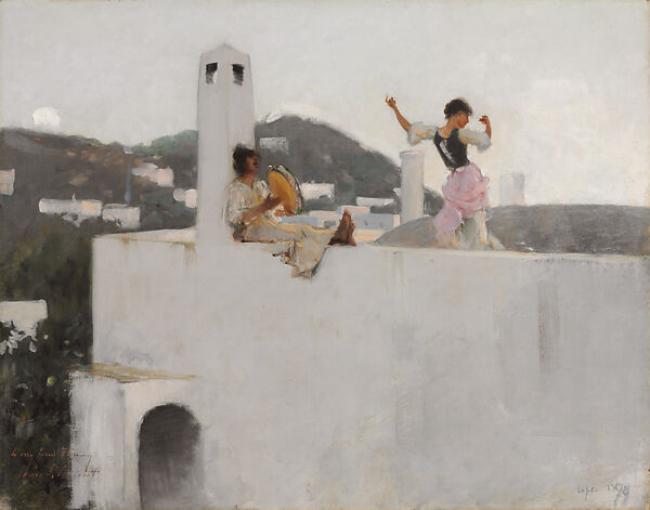
John Singer Sargent, Capri Girl on a Rooftop, 1878, Crystal Bridges Museum of American Art, Bentonville, Arkansas (2011.32)
Capri Girl on a Rooftop foreshadows Madame X’s frank sexuality. Here the dancing female body suggestively lifts her arms and turns in space, swaying to a song her female companion sings while she taps on her tambourine. They seem completely unconcerned with the possibility someone might ogle their private performance. Equally sensual in a different way, Madame Gautreau displays her cool self-assurance as she pivots away from her audience, fully ensconced in her dark narcissistic universe. In both, Sargent captures a seductive nonchalance that empowers women.
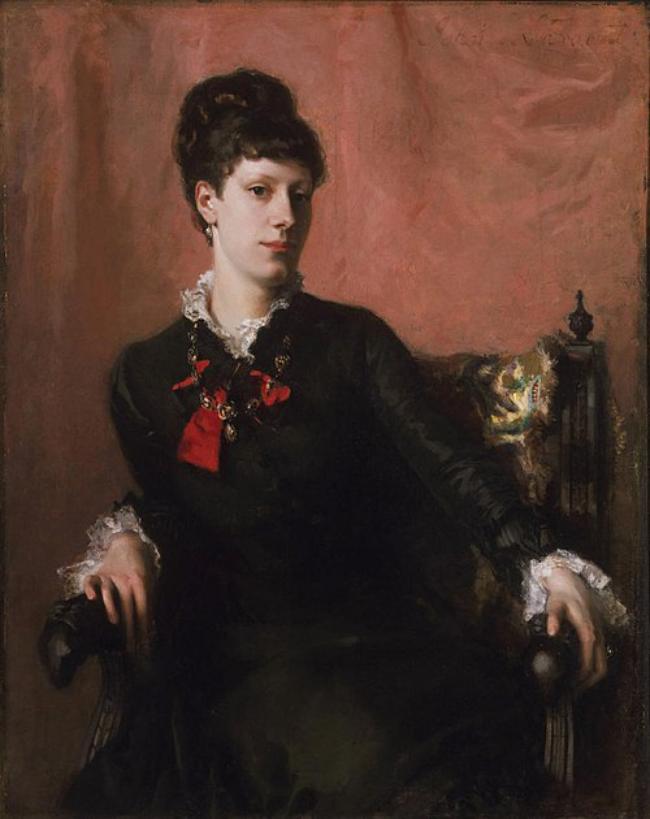




Sargent began to exhibit his work in the annual Paris Salon in 1877. That year, he submitted A Portrait of Fanny Watts (aka Frances Scherborn Ridley Watts,1858-1922), which received glowing reviews. The following year, 1878, he submitted a summer–genre scene from his trip to Cancale, Brittany, Setting Out to Fish, which garnered acclaim and attracted a buyer. In 1879, his Portrait of Carolus-Duran won an Honorable Mention, which exempted him from the jury’s restrictive eyes the following year. This freedom produced two exceptionally inventive compositions for his 1880 Salon submissions: Madame Édouard Pailleron and Smoke from Ambergris (1880).
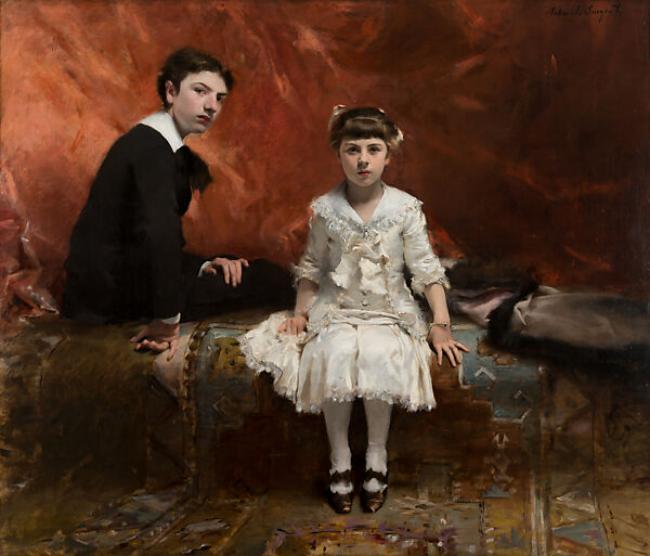


In 1881, he exhibited the Portrait of Édouard and Marie-Louise Pailleron, the Portrait of Madame Ramón Subercaseaux (Amalia Errazuriz y Urmeneta, wife of a Chilean diplomat and amateur artist), and two watercolors of Venice. The striking portrait of Madame Subercaseaux received a second medal, which placed him hors de concours (free from submission to the jury) for the rest of his life. The two prestigious awards for two portraits paved the way to his artistic calling: society portraiture.

Virginie Amélie Avegno Gautreau, 1878
However, winning awards did not guarantee attracting sufficient commissions to support himself and his family. To shore up his prospects, Sargent decided to pursue the leading personality among the Parisian mondaine (high society), an “influencer” featured in contemporary gossip newspapers: Virginie Amélie Avegno Gautreau, a French Créole from Louisiana. Only three years younger than Sargent, she was the wife of the wealthy French banker and shipping magnate Pierre Gautreau, whom she married on August 1, 1878. She was 19 and he was 40. Their only child Louise was born in 1879. Louise married Oliver Jallu, a lawyer, in 1901 at age 22 and died in 1911 at 32, four years before her mother, who died on July 25, 1915. After Louise married, her parents lived separately.
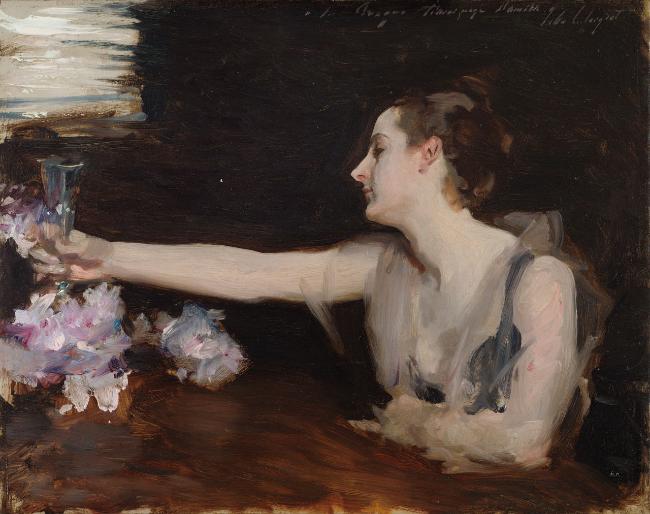
John Singer Sargent, Madame Gautreau Drinking a Toast, 1882-83, Isabella Stewart Gardner Museum, Boston (P3w41)
To attract Madame Gauteau’s attention, Sargent enlisted his cousin Ben del Castillo for a proper introduction. He asked del Castillo to assure this social-climbing Southern Belle he possessed “prodigious talent” that would “pay homage to her beauty.” Madame Gautreau accepted this mutually advantageous collaboration for both outsiders in Parisian circles. Although their fame increased in their respective milieux, their influence rubbed the French the wrong way. Kilmurray and Ormond pointed out the perceived threat of “Americanization” expressed in “Courrier de Paris,” L’Illustration, on June 18, 1881 (well before the Madame X debacle): “Their painters, like Mr. Sargent, take away our medals. Their pretty women, like Madame Gauthereau [sic], outshine our own” (John Singer Sargent: The Early Portraits, p. 113)

John Singer Sargent, Virginia Amélia Avegno Gautreau, on a sofa, a study for Madame X, 1883-4, The Metropolitan Museum of Art, New York, Purchase, Charles and Anita Blatt Gift, John Wilmerding Gift and Rogers Fund, 1970 (1970.47)
Work on her portrait began in her residence on the rue Jouffroy in Paris in February 1883 and continued at her husband’s estate La Chêne at Paramé, on the coast of Brittany. The artist’s letters to Vernon Lee and Ben del Castillo document his frustration and misgivings about the undertaking as his subject fidgeted and resisted calm cooperation to get the project done. Her strange, deathly white complexion, painted with a lead-based lavender tinted chlorate of potash, rouged on her ears with pink, seemed eerily artificial, like a living work of art.
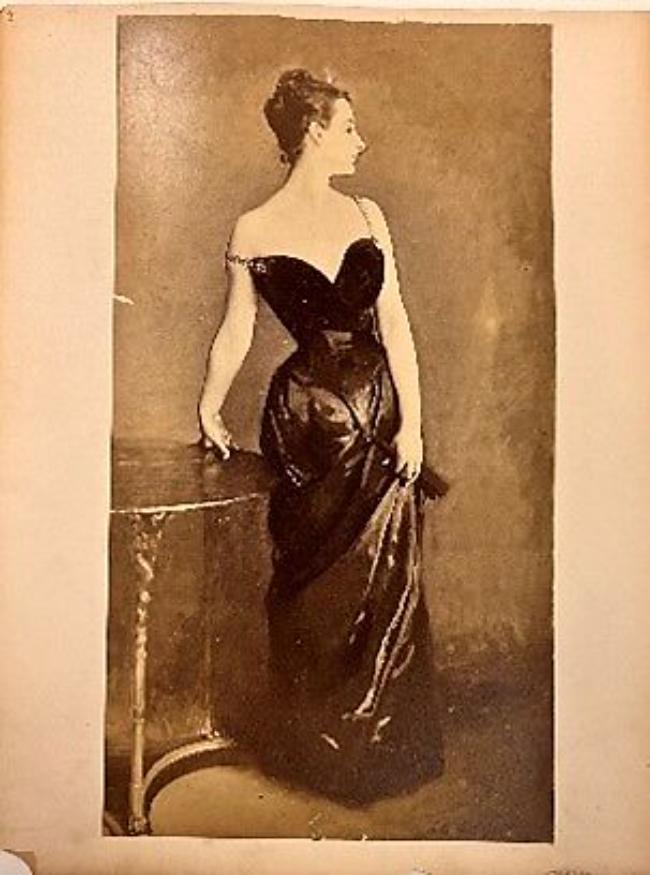
John Singer Sargent, Mademoiselle X, 1884, photograph of the original, The Metropolitan Museum of Art, New York, Gift of Mrs. Francis Ormond, 1950 (N.A.2024.9)
Their prolonged engagement produced numerous studies, some of which appear in the current exhibition. At long last Sargent settled on a dark, rather spare full-length portrait of a slim, curvaceous woman, clothed in a black tight-fitting velvet gown that revealed most of her upper body – neck, chest, arms, and, most of all, her shoulders, emphasized by a fallen gold and diamond strap pulling tautly against the flesh of her right upper arm. This apparent disregard for a bit of deshabille struck the audience as an indecent exposure, a risqué detail. The effect sent shockwaves throughout this exclusive vernissage, the Salon’s preview on May 1, 1884.


The roar of vindictive critiques and cacophonous laughter in Salle 31 rattled the already nervous and shy portraitist to his core. It was completely unexpected and distressing. Furthermore, Sargent immediately realized his miscalculation. What he strove for aesthetically failed to resonate in his favor. Over the following days and weeks, the press piled on their censure and ridicule in articles, satirical drawings, and gossip sheets. Sargent’s reputation tanked and his relationship with Paris hit a temporary nadir.
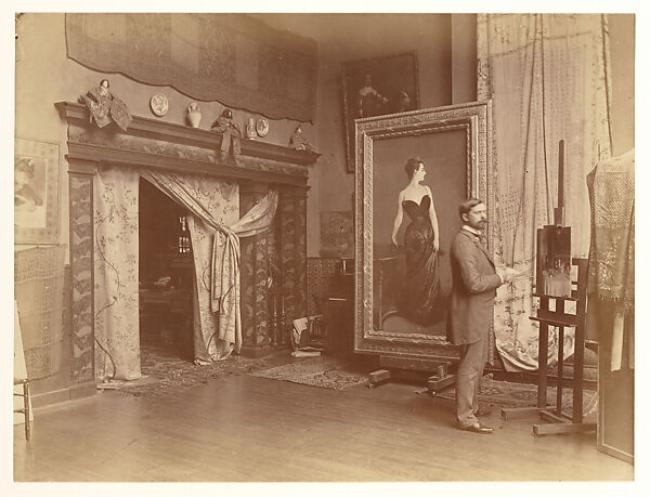
John Singer Sargent, a photograph with Madame X in his studio, c. 1884, The Metropolitan Museum of Art, New York, Purchase, Judy Angelo Cowen Charitable Trust Gift, 2022 (2022.387)
Madame Gautreau, known to her friends as Amélie, also suffered shame. Her mother, Madame Marie Avegno, who brought her daughter to Paris in 1867, three years after her husband died in the Civil War, begged Sargent to take the portrait down. “My daughter is lost – all of Paris is mocking her.” The Salon rules forbad this intervention. Madame ***, with one strap on and one strap off, remained on view to the last day. After the portrait was returned to Sargent’s studio, he repainted the strap so that it fit snuggly on her right shoulder, which is how we see this iconic masterpiece today. In 1916, Sargent sold the painting to the Metropolitan Museum of Art, confessing to the museum’s director George Robinson, “I suppose it’s the best thing I’ve done.”
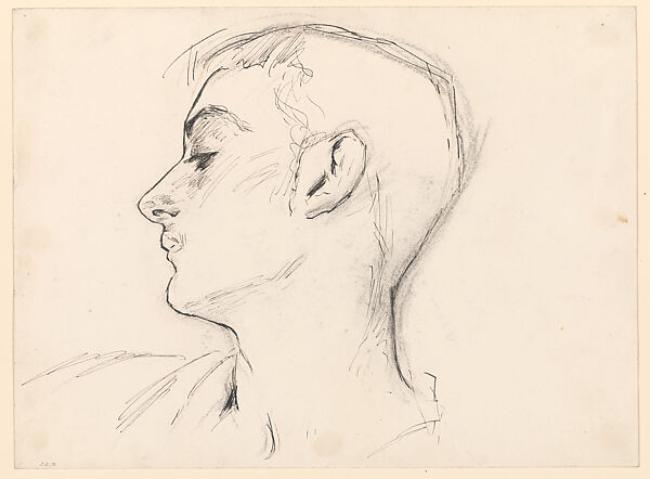
John Singer Sargent, Head of a Young Man, Albert de Belleroche, in Profile, c. 1883, Yale University Art Gallery, Gift of Miss Emily Sargent and Mrs. Francis Ormond (1931.26)
During that fateful Salon preview, his cousin Ralph Curtis stood by Sargent’s side as the merciless reactions to Madame *** sent a ceaseless murmur throughout the galleries of the Palais d’Industrie, where the Salon was held in 1884. After the Salon his closest friends, such as Albert Milbank, aka Albert de Belleroche, an Anglo-Belgian friend, and Paul–César Helleu, originally from Brittany, came to the rescue. Albert de Belleroche (1864-1944) and Sargent spent considerable time together over the years, to the extent that one might wonder if they were lovers too. Nothing in Sargent’s letters or archives attests to this fact. However, the paintings of “Baby Milbank,” as he referred to him, may suggest otherwise. In one sketch of de Belleroche, we see a profile that looks uncannily like Virginie Gautreau’s.
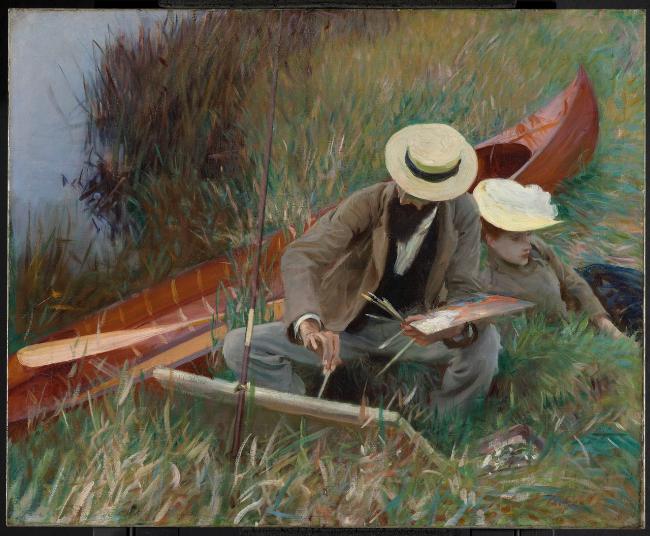
John Singer Sargent, An Out-of-Doors Study aka Paul Helleu Sketching with his Wife, 1889, Brooklyn Museum, Museum Collection Fund (20.640)
Another close friend, and alleged romantic partner, was Paul-César Helleu, whose Twelve Zodiac Signs grace the ceiling New York’s Grand Central Terminal. Belleroche and Helleu married, unlike Sargent, who preferred bachelorhood. Sargent’s impressionistic painting An Out-of-Doors Sketching: Paul Helleu and his wife Alice (1889), which belongs to the Brooklyn Museum in New York, was in the Metropolitan Museum of Art’s Sargent and Paris, but is not in the Musée d’Orsay.
A close examination of this double portrait gives the viewer an opportunity to study the influence of Impressionism on Sargent’s style. In some general surveys of this avant-garde, modernist movement, Sargent has been classified as a quasi-Impressionist due to such examples in his oeuvre. We also see the influence of fellow American James McNeill Whistler as well as French artists Édouard Manet, Edgar Degas, his friend Claude Monet, and James Tissot.
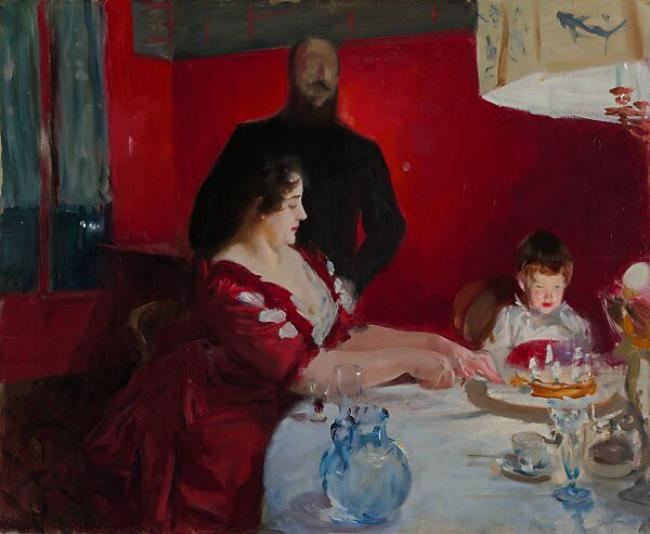
John Singer Sargent, Fête Familiale or The Birthday Party, (Paul-Albert Besnard and Charlotte Dubray), 1885, Minneapolis Institute of Art, The Ethel Morrison Van Derlip Fund and the John R. Van Derlip Fund (62.84)
Contrary to some popular accounts of the Madame X kerfuffle, Sargent did not pack up and bid Paris adieu immediately after the incident. We know that the American author Henry James, who resided in London, had been urging Sargent to set up shop in London since 1882. However, Sargent didn’t like London and ignored James’ relentless campaign. Instead, he envisioned a temporary break. After the 1884 Salon, Sargent took over French artist Albert Besnard’s studio in Kensington, London for the rest of May. Then he returned to Paris in June and spent the summer and fall in London. He returned to Paris toward the end of December.
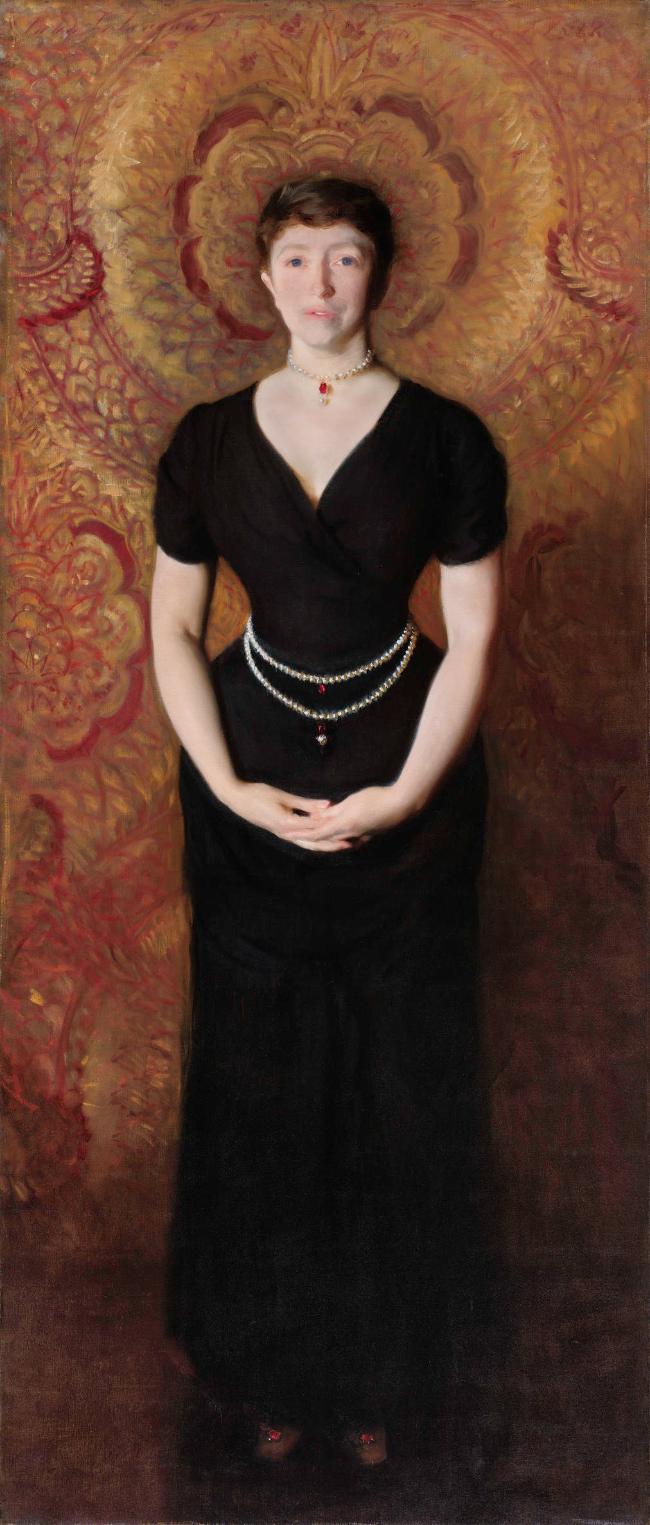
John Singer Sargent, Isabella Stewart Gardner, 1888, Isabella Stewart Gardner Museum, Boston
This back-and-forth habit continued until May 1886, when he vacated his studio in Paris to make London his principal home. In October, Henry James brought the wealthy Bostonian collector Isabella Stewart Gardner, the celebrated wife of the shipping and railroad tycoon John (Jack) Lowell Gardner, to Sargent’s studio in London. Isabella, affectionately called Bella or “Mrs. Jack,” opened the doors to Sargent’s success as a society portraitist in the US and among Americans living abroad. Her portrait, with its low neckline, attracted saucy comments among the Gardners’ friends that accused Sargent of an inappropriate flirtation. The remarks incensed Jack Gardner. So, in deference to her husband’s feelings, Mrs. Gardner had the portrait removed from view until after his death in 1898.
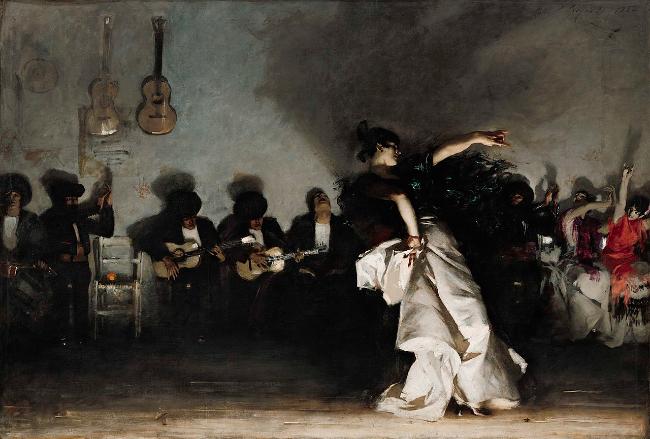
John Singer Sargent, El Jaleo – Singer, 1882, Isabella Stewart Gardner Museum, Boston
After the Madame X disaster, Sargent focused on exhibiting in England and the United States. He stayed in Paris and Nice for long visits, but did not exhibit in France again until 1889, when he displayed six works in the Exposition Universelle’s American section (March-July). During that exhibition he received a Grand Prix and became a Chevalier of the Légion d’Honneur. On April 25th, his father Fitzwilliam Sargent died. That summer his mother and sisters lived with Sargent in England. On December 4, 1889, Sargent sailed to New York with his younger sister Violet.
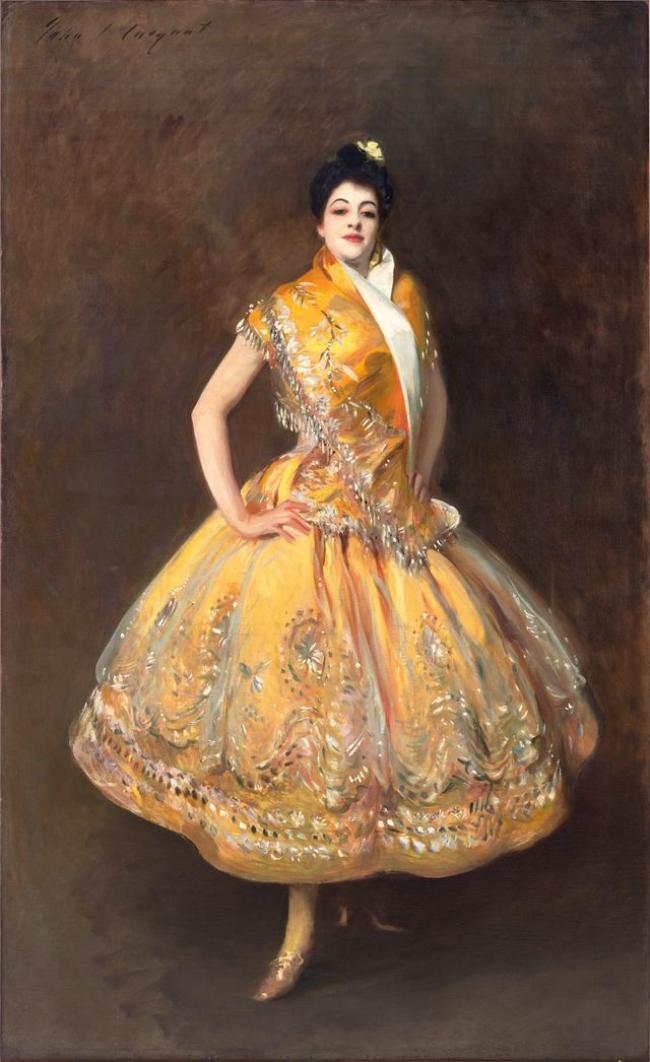
John Singer Sargent, La Carmencita, 1890, Musée d’Orsay
During the 1889 Exposition Universelle, the wildly popular Spanish dancer Carmen Dauset, known as La Carmencita, conquered her fan’s hearts with her performances in Paris. Sargent, who loved flamenco dance and immortalized it in El Jaleo (1882), surely saw her then, but probably did not meet her until she performed in New York during her US tour. Sources claim that Sargent accompanied her back to her hotel, whereupon he asked her to pose for a portrait. Whether this story is true or apocryphal may never be known. We do know that Sargent felt an immediate attraction to the Spanish star and was eager to paint her portrait. Like Madame X, La Carmencita was not commissioned. And, once again, the subject refused to sit still for the artist.
Stanley Olson’s biography describes a wild private performance at William Merritt Chase’s fashionable 10th Street studio, where this Gilded Age New York artist worked and entertained his clients. Their mutual friend, the artist Dora Wheeler Keith was invited. Her account suggests that Sargent recreated El Jaleo’s dramatic, dark interior for his personal delight and the amusement of the guests in Chase’s studio. They knew he was obsessed with the Spanish dancer.
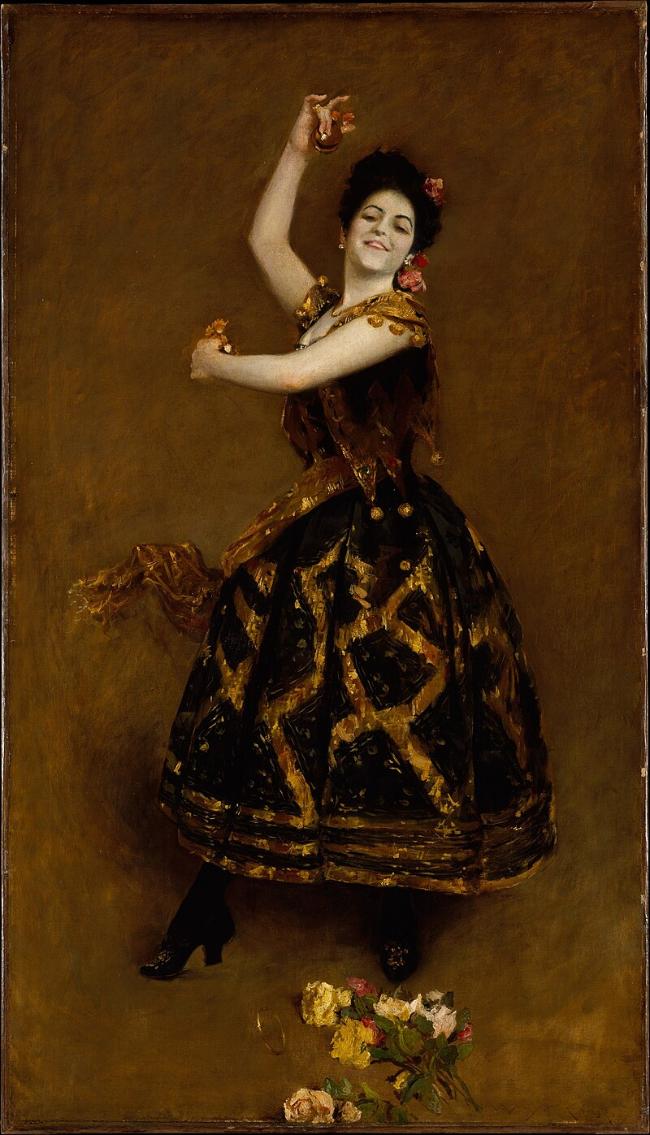
William Merritt Chase, Carmencita, 1890, Metropolitan Museum of Art, Gift of Sir William Van Horne, 1906
Sargent and Chase painted highly charged portraits of Carmencita in their respective studios during the winter of 1890. Sargent borrowed Doris’ mother Candace Wheeler’s 23rd Street studio, home of The Associated Artists, a textile company of mainly women designers, founded by Wheeler in 1883.
Sargent’s golden La Carmencita animated a vivacious spitfire. Exhibited in New York in May 1890, followed by exhibitions in Chicago and London, Sargent submitted the portrait to the relatively new Salon de la Société Nationale des Beaux-Arts, located in the Palais du Champ-de-Mars, in 1892. “The National,” founded by the academic artist Ernest Messionier in 1890, offered an alternative to the traditional Paris Salon, founded in 1667. From there, the French government purchased the painting for the Musée du Luxembourg.
Meanwhile, Madame X remained in Sargent’s studio in London, exhibited occasionally in England and Europe. In 1916, it found its permanent home in New York at the Metropolitan Museum of Art where it hangs in either the 19th-century European galleries or the American Wing. The Musée d’Orsay exhibition marks Madame X’s first exhibition in a public Parisian venue since the Salon of 1884, and John Singer Sargent: Dazzling Paris marks an historic event in the artist’s biography. It is his first solo show in the City of Light. Hopefully, John Singer Sargent will continue to dazzle Paris in future exhibitions of his incomparable body of work from 1874 to 1925.
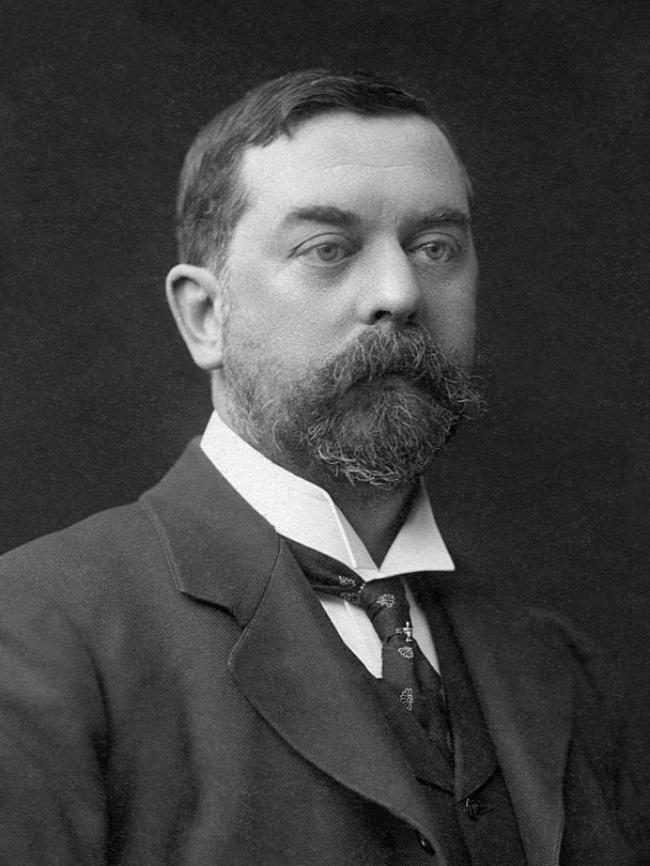
John Singer Sargent, 1903
Can we say that Sargent was more French than American? The answer may be neither. He was a unique cosmopolitan gentleman, equally at ease in Europe and in the US. His loyalty to his American roots increased with age and circumstance. In 1922, he co-founded with a few American friends Grand Central Galleries (1922–1994) in Grand Central Terminal, 42nd Street and Vanderbilt Avenue. The following year, they started the Grand Central School of Art (1923-1944), located on Fifth Avenue at 51st Street. Sargent died in London on April 17, 1925, the night before a scheduled trip back to New York. The Sargent exhibitions in New York and Paris celebrate the 100th anniversary of his passing.
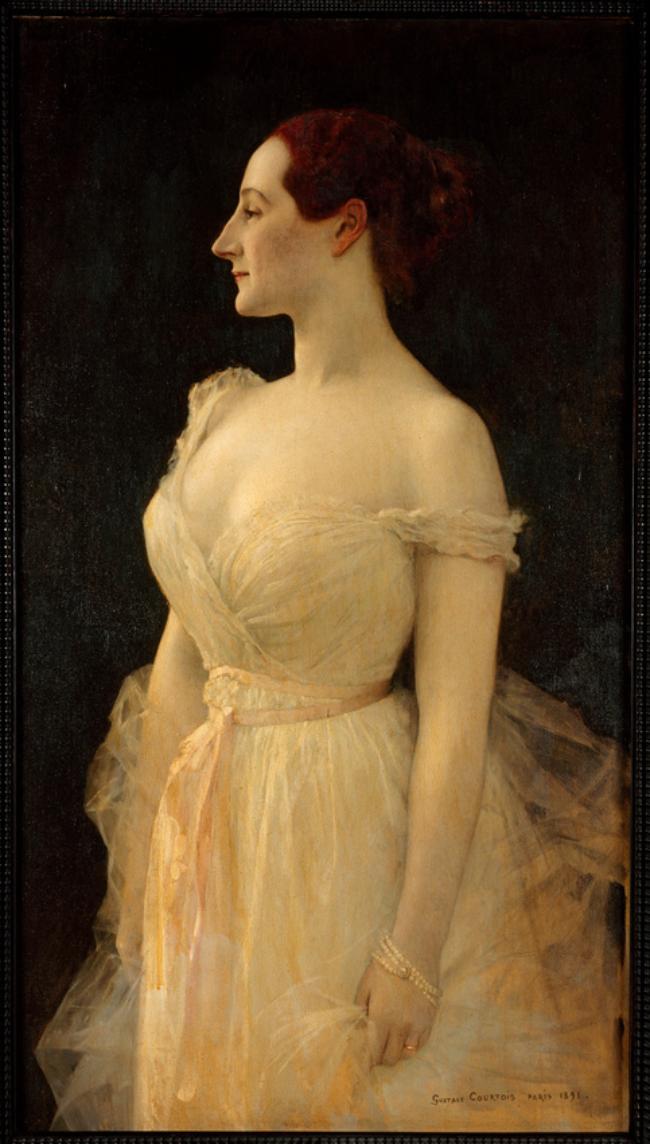
Gustave Courtois, Madame Gautreau, 1891, Musée d’Orsay
As for Madame Gautreau, Deborah Davis’ book Strapless reassures the reader she recovered to some extent, albeit much reduced in status among her peers. Her commissioned portrait by Gustave Courtois (1891) was an attempt to regain her celebrity. Unlike Madame X, it received very little attention. After Louise’s death and her mother’s death in 1911, Virginie Amélie Gautreau retreated from public engagements, becoming a forgotten recluse in Paris and Paramé. Art historian Trevor Fairbrother unearthed the Madame X scandal in 1981.
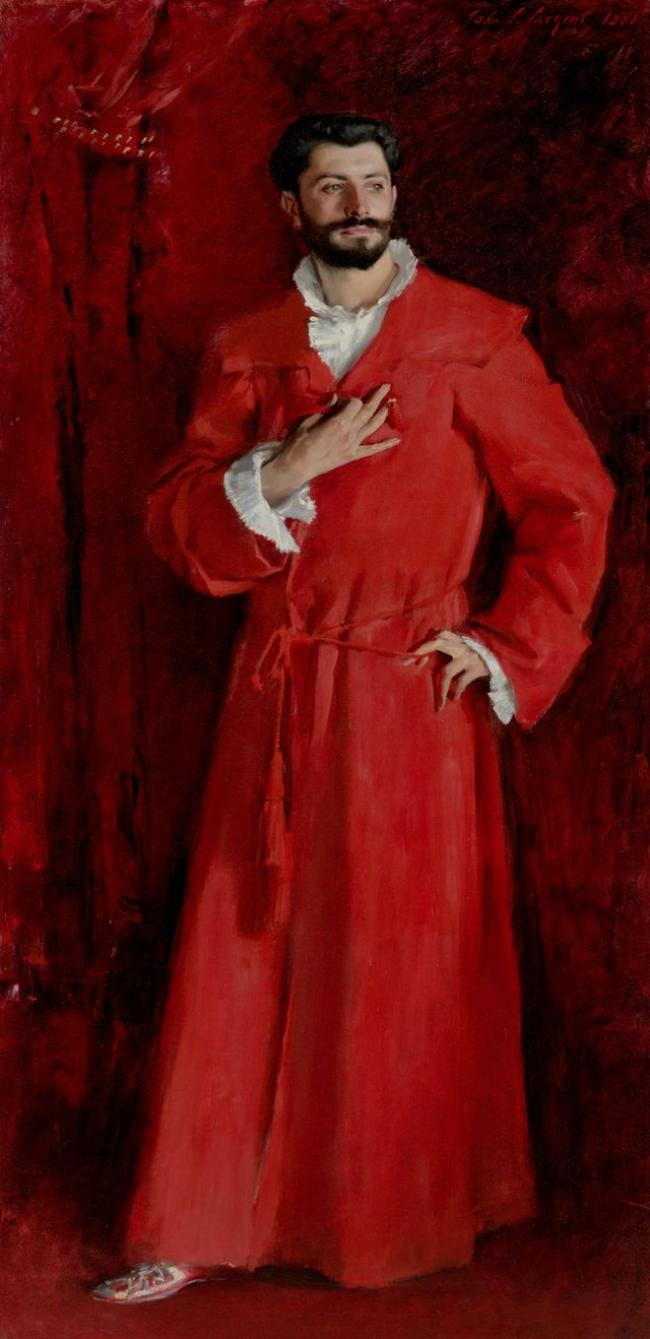
John Singer Sargent, Dr. Pozzi at Home, 1881, Hammer Museum, Los Angeles, The Armand Hammer Collection, Gift of the Armand Hammer Foundation (AH.90.69)
John Singer Sargent: Éblouir Paris was beautifully curated by Stephanie L. Herdrich, Alice Pratt Brown Curator of American Painting and Drawing, at the Metropolitan Museum of Art in New York; and by Caroline Corbeau-Parsons, Curator of Drawings and Paintings, and Paul Perrin, Head of Curatorial and Director of Collections, at the Musée d’Orsay in Paris. They were helped by Caroline Elenowitz-Hess, Research Assistant, at the Metropolitan Museum.
I highly recommend purchasing the exhibitions catalogues. In English, the title is Sargent and Paris, published by the Metropolitan Museum of Art, available online or in the museum.
Or in French John Singer Sargent: Éblouir Paris, available online or in the Musée d’Orsay.
To see more works by John Singer Sargent, please watch my tour of Sargent and Paris, a slide lecture hosted by the Fédération des Alliance Françaises, AFUSA, wherein you will see photos of the installation at the Metropolitan Museum of Art and a few works not included in the Paris show.
And you can visit the museums’ websites for the curators’ tours and videos about the artist:
https://www.metmuseum.org/exhibitions/sargent-and-paris
https://www.musee-orsay.fr/fr/magazine/2025-10-21/focus-john-singer-sargent
Sources for this article:
Stephanie L. Henrich et al, Sargent and Paris, the exhibition catalogue (2025).
Deborah Davis, Strapless: John Singer Sargent and the Fall of Madame X (2003).
Trevor Fairbrother, John Singer Sargent (1994)
Trevor Fairbrother, John Singer Sargent: The Sensualist (2000)
Paul Fisher, The Grand Affair: John Singer Sargent in His World (2022).
Elaine Kilmurray and Richard Ormond, editors, John Singer Sargent, Tate Gallery exhibition catalogue (Princeton University Press, 1998)
Elaine Kilmurray and Richard Ormond, John Singer Sargent: The Early Portraits, Volume 1 (1998)
Stanley Olson, John Singer Sargent: His Portrait (1986)
Lead photo credit : John Singer Sargent, Madame X, 1884, Metropolitan Museum of Art, The Metropolitan Museum of Art, New York, Arthur Hoppock Hearn Fund, 1916
More in John Singer Sargent, Musée d’Orsay
Related Articles