Corsican Adventure
- SUBSCRIBE
- ALREADY SUBSCRIBED?
BECOME A BONJOUR PARIS MEMBER
Gain full access to our collection of over 5,000 articles and bring the City of Light into your life. Just 60 USD per year.
Find out why you should become a member here.
Sign in
Fill in your credentials below.
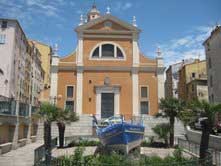 The final stop on my week-long journey through Corsica, France’s rugged Mediterranean island, was Ajaccio, a city of both modern and historical importance. As the island’s largest city, and a big port of entry, Ajaccio is more trafficked than many of Corsica’s other towns. It’s other claim to fame is as the birthplace of Napoleon; a fact that’s hard to miss when walking around the city.
Traveling from Vizzavona to Ajaccio was quite a change. As I left Vizzavona, the air was chilly and the grey sky drizzled steadily. A fifty minute train ride later, I stepped out into balmy weather with palm trees swaying and the sun beating down. I found a bed and breakfast to stay in, Pension de Famille Tina Morelli, and upon finally finding the place was greeted at the door by Tina herself, who showed me to my room which was decorated with vacation souvenirs and family photos. I had been traveling alone for a while but Tina made sure I felt at home, talking to me in French about my interest in Corsica, how times have changed since she was my age, and that since she opened the family business over 50 years ago. I paid to have dinner there as well, and enjoyed a family style meal of Corsican charcuterie, cheeses, meats, and fruit. Exhausted from my travels, I planned to retire to my comfortable-looking room after dinner but Tina wouldn’t have it; instead encouraging me to go out. That night was the fête de la musique, a music festival that takes place everywhere in France, and the streets of Ajaccio were alive with activity. In the big squares rock bands entertained crowds, on the steps of the church a gospel choir swayed, African drummers had people dancing in the middle of the streets, and on a small alley several Spanish guitarists quietly performed their own stylized rendition of the Beatles’ “Yesterday.”
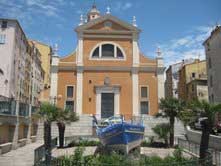
Compared with my other stops in Corsica, Ajaccio had many more tourists, as a resort area and common entryway to the island, but the atmosphere was still distinctly Corsican. Here, Napoleon outshone Paoli as the city’s most beloved son. Statues in his honor decorate his hometown and his family’s home is now a museum, boasting the room in which he was born, locks of his hair, and other Bonaparte family relics. Near the port area, the Chapelle Impériale charms with its yellow façade. The beach and the Sanguinary Islands are both only a car ride away and I took the petit train for tourists to see the islands with their old lookout tower, passing an impressive hillside of tombs along the way. My final stop in Ajaccio before bidding adieu to the île de la beauté was Musée à Bandera, a small private collection of artifacts arranged to narrate the Corsican story from prehistory to WWII. The cash register was attended by a friendly woman, a former student of Corsican history, who gladly gave a free guided tour in French and patiently answered my questions.
I left Corsica for my next destination, Sardinia, the following day, after taking an arduous (and slightly sickening) winding bus ride through the mountains, from Ajaccio to Bonifacio, on the southern tip of the island. As the ferry pulled away from the shores of Bonifacio and the setting Mediterranean sun was dying the white cliffs shades of pink and orange, I understood why the ancient Greeks nicknamed her kallysté, “most beautiful.”
Related Articles